
Simple Car Organization Ideas for Family Trips
Maine Local Archive >> Blogs>> Simple Car Organization Ideas for Family Trips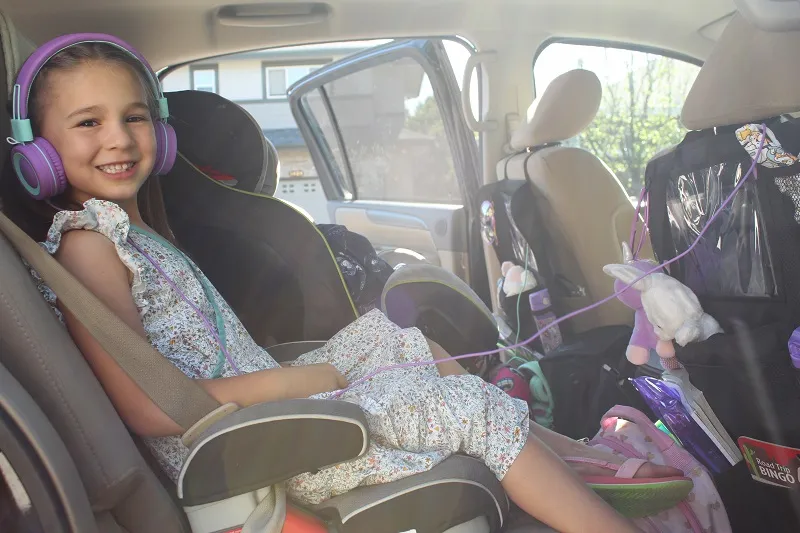
Simple Car Organization Ideas for Family Trips
A messy car can turn a good family drive into a rolling argument before you even leave the driveway. For many American parents, car organization ideas are not about making the vehicle look pretty; they are about keeping snacks reachable, toys contained, chargers untangled, and everyone calmer between gas stops. Long drives to a beach rental, weekend tournament, national park, or grandma’s house all expose the same truth: the family car becomes a second home the moment the doors close.
The trick is not stuffing more bins into every gap. That can make the cabin feel tighter and harder to manage. Better organization starts with deciding what belongs in arm’s reach, what should stay in the trunk, and what needs to leave the car after every trip. A smart setup also helps you move faster during school runs, grocery stops, and roadside emergencies. For families building better routines around travel, practical travel planning habits can make the whole ride feel less rushed and more controlled.
Car Organization Ideas That Keep the Cabin Calm
The front seats and back seats need different systems because they solve different problems. Parents need quick access to essentials without taking their eyes off the road, while kids need enough independence to stop asking for something every ten minutes. Good cabin planning lowers stress because it removes tiny interruptions before they stack up.
Build a Front-Seat Command Zone for Parents
The front row should never become a dumping ground for receipts, sunglasses, wipes, napkins, chargers, and half-open snack bags. A slim console organizer or seat-gap pocket can hold the few items adults need during the drive. Keep it boring on purpose: phone cable, tissues, hand sanitizer, toll change if you still use cash, and one small notepad or pen.
Many parents make the mistake of putting kid items up front because they want control. That works for the first half hour, then the passenger seat turns into a supply counter. A better system keeps driver needs near the driver and child needs near the child. Less reaching means fewer sharp brakes, fewer dropped items, and less frustration when traffic gets ugly.
A family driving from Dallas to San Antonio, for example, does not need every snack in the front seat. The adult up front needs water, directions, wipes, and maybe the hotel confirmation printed in a folder. Everything else belongs in a separate zone. That small boundary keeps the front row from becoming the family junk drawer on wheels.
Give Kids Their Own Backseat Organizer System
Children handle road trips better when they can reach a few approved things without asking every time. A backseat organizer clipped to the front seat can hold books, crayons, headphones, a tablet, travel games, and a small pack of wipes. The point is not to entertain kids every second. It is to give them enough control to avoid constant interruptions.
The counterintuitive move is leaving some pockets empty. Parents often fill every slot because the organizer has space, but too much choice creates mess faster. A child with six toys, two snack bags, cards, markers, and a tablet will usually scatter all of it before lunch. Three or four planned items work better than a packed wall of distractions.
For younger kids, use clear zipper pouches inside the organizer instead of loose items. One pouch can hold coloring supplies, another can hold small toys, and another can hold headphones. When each category has a home, cleanup becomes a quick reset at the next gas station instead of a full excavation under the seats.
Smarter Storage for Food, Drinks, and Daily Mess
Food causes more car chaos than almost anything else. Crumbs sink into seat seams, wrappers slide into door pockets, and spilled drinks create smells that stay long after the trip ends. A smart food system does not ban snacks. It gives snacks limits, containers, and a cleanup plan.
Create Travel Snack Storage That Kids Can Manage
Good travel snack storage starts before the car is packed. Use small lidded containers or reusable snack bags instead of full-size boxes. A giant family-size cracker box seems easier, but it turns one bump in the road into a floor disaster. Portioning snacks at home saves the cabin later.
Place snacks in a soft bin or cooler bag that sits on the floor between kids or behind the front passenger seat. Keep only the current round of snacks within reach. Refill at stops instead of handing out everything at once. This gives the trip a rhythm and keeps the back seat from turning into a picnic table.
Families heading from Chicago to a Michigan lake house often pack more food than they need because road stops feel expensive. That makes sense, but the food still needs structure. Put dry snacks in one pouch, cold snacks in a cooler, and trash bags in the same food zone. Mess drops fast when eating and cleanup live together.
Control Trash Before It Spreads Through the Car
Trash needs a real container, not a vague plan to clean later. A small leak-resistant trash bin, hanging trash bag, or lined cereal container can work better than a plastic grocery bag that slides around the floor. The container should be easy for kids to use from their seats.
The unexpected rule is to keep the trash container smaller than you think. A huge trash bag invites everyone to ignore it until it smells. A small bin fills faster, which forces quick emptying at fuel stops. That rhythm keeps old yogurt tubes, napkins, and wrappers from baking in the sun during summer drives.
Keep a few extra liners in the glove box or console. After every stop, one adult can pull the liner, toss it, and replace it in less than a minute. That tiny reset has a big effect because trash is the first mess that makes the whole car feel out of control.
Packing the Trunk Without Turning It Into a Pile
The trunk often becomes the place where organization goes to die. Suitcases, sports bags, strollers, jackets, beach toys, roadside supplies, and grocery bags all compete for the same space. Better trunk planning starts by treating the cargo area as a set of zones rather than one open box.
Use Car Storage Solutions by Trip Type
Different drives need different car storage solutions. A soccer weekend needs cleat bags, water bottles, folding chairs, and a first-aid pouch near the tailgate. A beach trip needs towels, sunscreen, sandals, and wet-item bags where they can be grabbed before anyone steps into the sand. A holiday trip needs luggage stacked by stop order, not by who packed first.
Hard bins work well for gear that needs shape, like tools, emergency items, and sports supplies. Soft bags work better for clothes, blankets, and items that need to squeeze around luggage. Mixing both gives the trunk structure without wasting space.
A smart example is a family driving from Phoenix to Flagstaff for a weekend. Put cold-weather layers in one soft duffel near the top, snacks and water in a cooler on the side, and emergency gear in a hard bin that never leaves the car. When the elevation changes and the temperature drops, nobody has to unpack the whole trunk to find jackets.
Pack in Reverse Order for Fewer Roadside Headaches
Most people pack the heaviest items first because it feels natural. That helps balance, but it does not always help access. The better habit is packing by when each item will be needed. Last-needed items go deep. First-needed items stay near the opening.
This is where family road trip packing becomes more than fitting bags into the back. If you will stop for lunch before checking into the hotel, the picnic blanket, wipes, and lunch bag should sit near the tailgate. If pajamas are needed at a late-night motel stop, one overnight bag should be easy to grab without unloading everyone’s suitcase.
The counterintuitive insight is that a trunk can be full and still be organized. Empty space is not the goal. Predictable access is. When every item has a reason for where it sits, a crowded trunk can still work better than a half-empty one packed without thought.
Routines That Keep the Car Organized After the Trip
A clean setup does not last without habits. Families often organize the car before a big drive, then let the system collapse during normal life. The real win comes when the car is easy to reset after school, errands, practices, and weekend travel.
Do a Five-Minute Reset After Every Long Drive
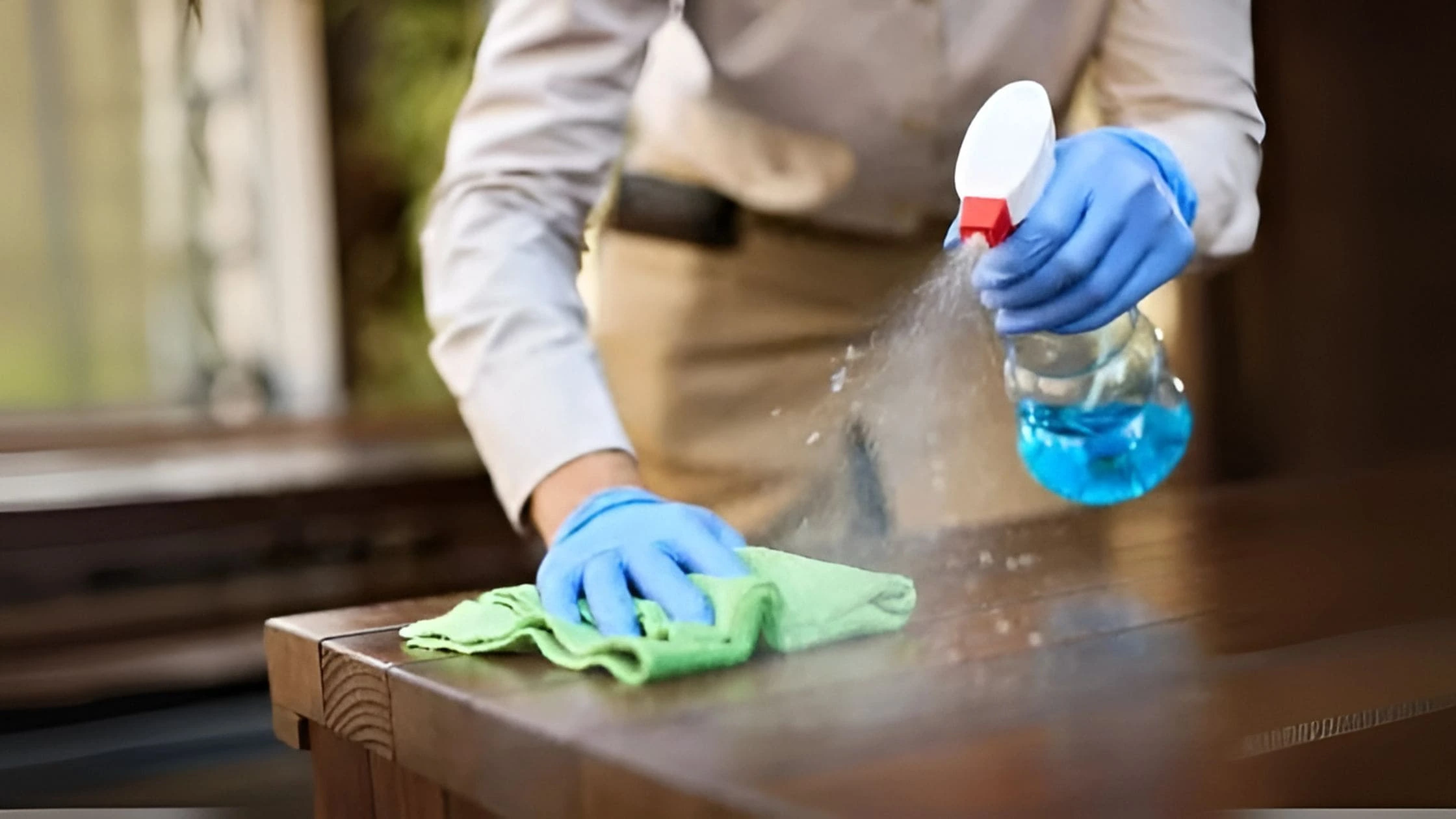
The best cleanup happens before everyone disappears into the house. Once bags are unloaded, take five minutes to pull trash, return toys, remove food, and shake out floor mats if needed. This is not deep cleaning. It is stopping the mess from becoming the car’s new normal.
Parents often wait until the next trip to clean the vehicle. That turns cleanup into a punishment attached to travel. A short reset at the end of the current trip protects the next one. It also catches missing shoes, library books, headphones, and chargers before they vanish under seats.
Assign each person one job. One child gathers toys, another collects trash, and an adult checks the trunk. Even younger kids can carry their own pouch inside. The car gets cleaner, but the larger lesson matters too: family travel ends when the shared space is restored.
Keep a Small Emergency Kit Separate From Daily Items
Emergency gear should never mix with toys, snacks, or sports equipment. A compact kit with bandages, flashlight, jumper cables, tire gauge, poncho, gloves, and basic medicines should stay in the same trunk spot all year. Add seasonal items based on your state. A Minnesota winter kit looks different from a Florida hurricane-season kit.
This is one place where extra organization can protect more than your mood. If a tire loses pressure outside Nashville at night, you do not want to dig under beach towels and backpacks for a flashlight. If a child gets scraped at a rest stop, the bandages should not be buried under a cooler.
Use a labeled hard case or zippered bag and tell older kids where it is. Keep it separate from the main car storage solutions so it does not get borrowed for daily clutter. Safety items need a permanent home because emergencies do not give you time to remember where you last moved them.
Conclusion
A family car does not need to look like a showroom to work well. It needs clear zones, fewer loose items, and habits that survive normal life. The best systems are the ones your family can keep using after the vacation photos are taken and the suitcases are back in the closet.
Start with the pressure points you feel most: snacks, trash, kid gear, trunk access, or emergency supplies. Fix one area first instead of trying to rebuild the whole car in one afternoon. Strong car organization ideas work because they reduce decisions when everyone is tired, hungry, late, or stuck in traffic.
Before your next drive, choose one bin, one pouch, and one cleanup rule. That small setup can change the mood of the whole trip. Make the car easier to live in, and the road starts feeling less like a test and more like part of the memory.
Frequently Asked Questions
What are the best car organization tips for family road trips?
Start with zones for snacks, trash, kid activities, luggage, and emergency gear. Keep daily-use items within reach and store backup items in the trunk. The goal is not a perfect car; it is a car where every important item has a clear place.
How do I keep kids’ toys organized in the backseat?
Use a seat-back organizer with only a few selected toys, books, or activities. Store smaller pieces in zipper pouches so they do not scatter. Rotate items at stops instead of giving kids everything at once, which helps reduce clutter and boredom.
What should I keep in a family car emergency kit?
A family car emergency kit should include bandages, flashlight, jumper cables, tire gauge, wipes, gloves, water, phone charger, and basic medicines. Add climate-specific items too, such as blankets for cold states or extra water for hot regions.
How can I organize snacks for a long drive with children?
Pack snacks in small portions before leaving home. Use reusable bags, lidded cups, or small containers instead of large boxes. Keep one snack bin or cooler in a reachable spot, and refill during stops to prevent wrappers and crumbs from spreading.
What is the easiest way to control car trash on trips?
Use a small lined trash container that kids can reach from the backseat. Empty it at every gas stop or meal break. A smaller container works better than a large bag because it forces regular cleanup before smells and clutter build up.
How do I pack the trunk for a family vacation?
Pack based on access, not only size. Items needed first should stay near the opening, while luggage needed later can go deeper. Use bins for firm gear and soft bags for flexible items like clothes, blankets, and towels.
Are backseat organizers worth it for family travel?
Backseat organizers are worth it when they hold a limited set of useful items. They work best for books, headphones, wipes, small toys, and tablets. Overfilling them creates clutter, so leave some pockets empty and refresh the contents between trips.
How often should I clean out the family car?
Do a short reset after every long drive and a deeper clean every few weeks. Remove food and trash right away, then return toys, bags, and sports gear to their proper places. Small resets prevent the car from becoming a storage room.
Related Post

Better Evening Routines for Restful Night Sleep
Most people do not ruin their sleep at midnight. They ruin it between dinner and…