

Simple Battery Care Rules for Better Starts
Maine Local Archive >> Blogs>> Simple Battery Care Rules for Better Starts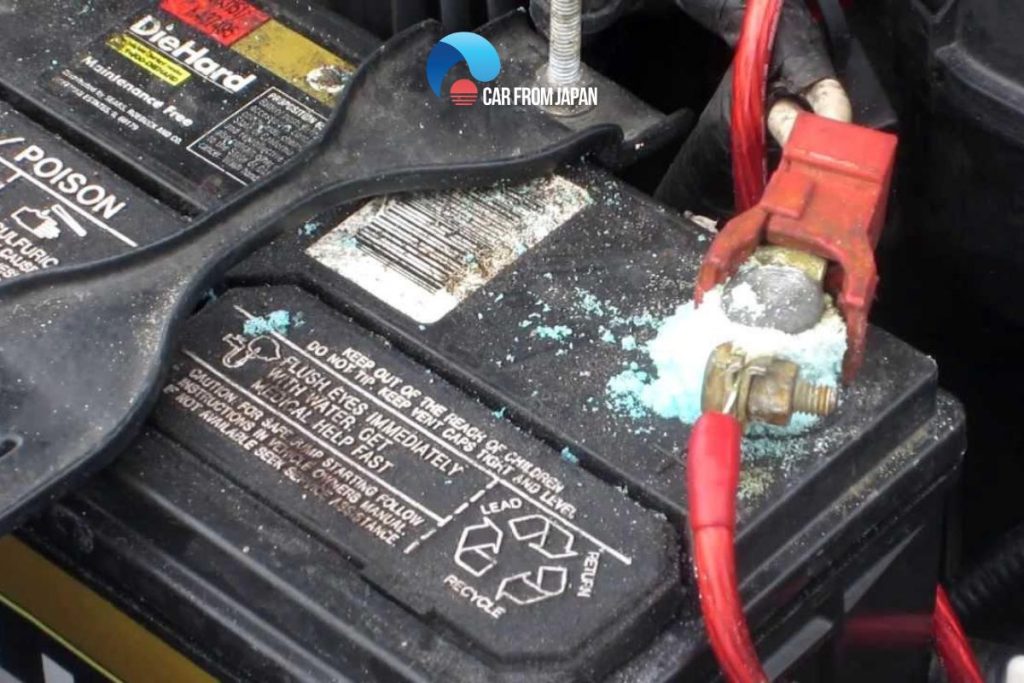
Simple Battery Care Rules for Better Starts
A weak start can make a normal morning feel expensive before you even leave the driveway. Most drivers blame the battery only after the engine groans, the lights flicker, or the car clicks once and gives up. Smart Battery Care changes that pattern because your battery usually gives small warnings long before it leaves you stuck outside a grocery store, school pickup line, office parking lot, or cold driveway. Across the USA, drivers deal with heat in Arizona, winter starts in Michigan, short city trips in New York, and long highway stretches in Texas. Each condition wears on the battery in a different way. The good news is simple: your car does not need complicated attention every week. It needs steady habits that protect power, reduce strain, and catch problems early. Helpful ownership advice from trusted automotive care resources can make those habits easier to build before a dead battery turns into a tow bill.
Battery Care Starts With Everyday Driving Habits
Your battery does not fail only because it gets old. It fails because small drains, rough starts, heat, cold, corrosion, and poor charging habits keep taking bites out of it. The strange part is that many “battery problems” begin with driving routines that feel harmless.
Why Short Trips Quietly Drain Your Car Battery
Short trips are harder on a battery than many drivers expect. Starting the engine takes a strong burst of power, and the alternator needs enough driving time to replace that energy. A five-minute run to the store may not give the system enough time to recover.
This matters most for people who work from home, drive kids to nearby schools, or use a second car only on weekends. The battery keeps spending power but rarely gets a full recharge. Over time, that creates a weak reserve, even when the battery is not old.
A better habit is simple. Give the car a longer drive once or twice a week, especially if most of your errands happen close to home. A steady 20- to 30-minute drive helps the charging system do its job and keeps the battery from living in a half-charged state.
How Parking Choices Affect Better Car Starts
Parking looks like a small choice, but it changes how hard your battery works. Summer heat under the hood speeds up battery wear, especially in states like Florida, Nevada, Arizona, and parts of California. Heat can damage internal battery parts faster than cold weather does.
Cold weather creates a different problem. Low temperatures slow the chemical reaction inside the battery, while thick engine oil makes the starter work harder. That is why a battery that seemed fine in October may struggle on a January morning in Chicago or Denver.
Shade helps in summer, and a garage helps in winter. Even parking away from direct afternoon sun can reduce heat stress. Drivers often spend money on accessories while ignoring parking habits, but the cheapest protection may be where the car sits.
Keep the Battery Terminals Clean and Connected
A battery can hold power and still fail to send it where it needs to go. Corrosion, loose clamps, and dirty connections can block current like a kink in a garden hose. The car may act like the battery is dying when the real issue is contact.
How Corrosion Steals Starting Power
White, blue, or green buildup around the terminals is not cosmetic dirt. It can limit the flow of electricity between the battery and the cables. When that happens, the starter may receive weak power even if the battery still has charge.
Many drivers notice this as slow cranking, dashboard flicker, or random hesitation at startup. The mistake is assuming the battery must be replaced right away. Sometimes the first fix is cleaning the terminals and tightening the clamps.
A basic battery terminal brush and proper safety steps can solve a small corrosion problem. If buildup returns fast, a mechanic should inspect the battery and charging system. Repeated corrosion often points to a deeper issue, not a one-time mess.
Why Loose Connections Create False Battery Problems
Loose battery cables can mimic serious electrical failure. The car may start fine one day, struggle the next, then start again as if nothing happened. That inconsistency makes people blame the battery, starter, or even the key fob.
A loose clamp breaks trust between the battery and the car. Every bump in the road can shift the connection slightly. Over time, that small movement creates poor contact and unreliable starts.
Drivers should check that cables sit firmly on the terminals and do not twist by hand. This is not about forcing anything tighter than it should be. It is about making sure the connection is secure enough to carry power without interruption.
Test Before the Battery Leaves You Stranded
The worst time to learn your battery is weak is when you are already late. Testing turns battery care from guesswork into a decision. It tells you whether the battery is healthy, fading, or already close to failure.
When a Battery Test Makes Sense
A battery test is smart before extreme weather seasons. In much of the USA, that means before winter cold or before peak summer heat. Both seasons expose weak batteries fast, and both create the kind of breakdown that feels sudden.
Most auto parts stores and repair shops can test a battery quickly. The test checks more than whether the battery has voltage. A good test looks at its ability to deliver power under load, which matters when the starter needs force.
A battery that passes one day can still fail months later, so testing is not a lifetime promise. It is a snapshot. Still, that snapshot helps you plan instead of gambling every morning.
What Warning Signs Should Never Be Ignored
Slow cranking is the warning people hear but often excuse. The engine turns over with a tired sound, then starts anyway, so the driver moves on. That is usually the battery asking for attention.
Dashboard lights that dim during startup, clicking sounds, or electronics acting strange after the car sits overnight also deserve attention. These signs do not always mean the battery is bad, but they do mean the electrical system needs checking.
The smartest move is to test early, not after the car refuses to start. A driver who catches weakness early can replace a battery on their schedule, compare prices, and avoid paying extra during an emergency.
Protect Battery Life Through Seasonal Care
Battery life depends heavily on the weather around it. Heat, cold, moisture, and long storage all change how the battery behaves. Seasonal care matters because batteries do not age evenly across the country.
Cold Weather Battery Life Tips for Winter Drivers
Winter does not always kill batteries by itself. It exposes batteries that were weakened earlier by age, heat, or poor charging. That is why a warm-weather battery problem often appears during the first deep freeze.
Drivers in Minnesota, Wisconsin, Pennsylvania, and other cold states should pay attention before temperatures drop. A battery that is three years old or older deserves testing before winter. It may still have life left, but guessing is not a plan.
Good winter habits include turning off lights, heated seats, defrosters, and accessories before starting the car. Let the engine start first, then use power-heavy features. That small pause gives the starter the cleanest shot at the energy it needs.
Hot Weather Car Battery Maintenance
Heat is rough on batteries because it speeds up internal breakdown. Many drivers think winter is the main threat, but hot summers often do the damage that shows up later. A battery can suffer in July and fail in December.
Car battery maintenance in warm states should include checking for swelling, leaks, corrosion, and slow starts after the vehicle sits in heat. Drivers who park outside every day should be extra aware. Under-hood temperatures can climb far beyond the outdoor reading.
A clean battery area also matters. Dirt and moisture can create small electrical paths that drain charge over time. Keeping the top of the battery clean is a plain habit, but plain habits often save the most money.
Match Battery Use to Modern Vehicle Demands
Newer cars ask more from batteries than older vehicles did. Touchscreens, sensors, alarms, cameras, start-stop systems, and connected features all add load. The battery now supports more than starting the engine.
Why Modern Features Need Stronger Battery Habits
A car packed with electronics can drain a weak battery faster than an older, simpler model. Even when parked, some systems keep a small amount of power flowing. Security systems, remote access features, and onboard computers do not fully sleep the way many drivers imagine.
This matters for families with SUVs, commuters with tech-heavy sedans, and owners of vehicles that sit for days at a time. The car may look off, but the battery is still feeding background systems. That is normal, until the reserve gets too low.
Drivers should avoid leaving chargers, dash cams, interior lights, or plugged-in accessories running when the engine is off. One forgotten device may not hurt once. Repeating the habit every week can shorten battery life.
How Start-Stop Vehicles Change Battery Expectations
Start-stop systems place extra demand on a battery because the engine shuts off and restarts during traffic. These cars often need specific battery types, such as AGM batteries, designed for repeated cycling. Installing the wrong replacement can cause problems beyond weak starts.
A cheap battery may look like a bargain until the car complains through warning lights, poor start-stop performance, or early failure. Modern vehicles are less forgiving than older ones. The right battery type matters as much as the price.
Owners should follow the vehicle manual or ask a qualified technician before replacing the battery. Matching the correct size, rating, and type keeps the charging system working as designed. Saving a few dollars on the wrong battery can become an expensive lesson.
Build a Simple Monthly Battery Routine
Battery health improves when care becomes routine instead of panic. A monthly check takes only a few minutes, but it can reveal problems before they grow. The point is not to become a mechanic. The point is to notice what your car is telling you.
What to Check Once a Month
Start with the basics. Look for corrosion, loose cables, cracks, swelling, leaks, and dirt on the battery case. A battery should look secure, clean, and dry.
Next, pay attention to how the car starts. A healthy start feels quick and steady. If the engine hesitates, cranks slowly, or needs a second attempt, write it down mentally and schedule a test.
A monthly routine also helps you spot changes after weather shifts. A car that started strongly in spring may behave differently during summer heat. Small changes tell the truth before dashboard warnings do.
Why Records Help More Than Memory
Most people do not remember exactly when they bought their last battery. They remember the season, maybe the shop, and then they guess. That guess can cost money when the battery is near the end of its expected life.
Write the battery purchase date on a note in your phone, a maintenance folder, or a sticker near the battery area if safe and visible. Many batteries last three to five years, but climate and driving habits can shorten that range.
Knowing the age helps you make calm choices. A slow start from a six-month-old battery points toward testing the charging system or connections. A slow start from a four-year-old battery points toward replacement planning.
Conclusion
A dependable start is not luck. It comes from small decisions repeated before trouble shows up. Drivers often wait for a dead battery to prove something is wrong, but that is the most expensive way to learn. Battery Care works best when it stays boring: clean terminals, firm connections, smart parking, seasonal testing, and fewer unnecessary drains when the engine is off.
Your car does not need dramatic attention. It needs a driver who notices changes early and refuses to ignore slow starts. That mindset saves time, protects your schedule, and keeps a weak battery from turning into a roadside problem on the wrong day.
The next step is simple. Check your battery this week, note its age, look at the terminals, and schedule a test if the start sounds tired. A car that starts cleanly gives you more than transportation; it gives you control over the day before the road ever gets involved.
Frequently Asked Questions
How often should I check my car battery for better starts?
Check it once a month and before major weather changes. Look for corrosion, loose cables, cracks, leaks, and slow cranking. A quick visual check plus a seasonal battery test can catch weak performance before the car refuses to start.
What are the first signs of a weak car battery?
Slow cranking, clicking sounds, dim lights during startup, and electronics acting strange after the car sits overnight are common signs. These symptoms do not always prove the battery is bad, but they do mean the system needs testing soon.
Can short trips drain a car battery faster?
Short trips can drain a battery because starting the engine uses power, and brief drives may not let the alternator replace it. Drivers who take many five- or ten-minute trips should add longer drives during the week.
Does hot weather damage car batteries?
Hot weather can speed up internal battery wear and increase corrosion risk. Many batteries weakened by summer heat fail later during cold weather. Parking in shade, keeping terminals clean, and testing before peak heat can reduce trouble.
Why does my car battery struggle more in winter?
Cold temperatures slow the battery’s chemical reaction and make the engine harder to turn. A battery that is already weak may fail during the first hard freeze. Testing before winter is the safest move for cold-state drivers.
Should I replace my battery before it dies completely?
Replacing a weak battery before total failure prevents surprise breakdowns and emergency towing costs. If your battery is older than three years and tests poorly, planning replacement is smarter than waiting for one final bad start.
Can dirty battery terminals stop a car from starting?
Dirty or corroded terminals can block power flow between the battery and cables. The battery may still hold charge, but the starter may not receive enough current. Cleaning and tightening connections often solves this type of starting problem.
What kind of battery does a start-stop vehicle need?
Many start-stop vehicles require AGM or other specific battery types built for repeated engine restarts. The wrong battery can cause warning lights, poor performance, or early failure. Always match the battery to the vehicle manual or technician guidance.
Related Post

Simple Licensing Law Basics for Small Companies
A small company can lose money faster from a missed license than from a slow…