
Simple Windshield Care Tips for Clearer Visibility
Maine Local Archive >> Blogs>> Simple Windshield Care Tips for Clearer Visibility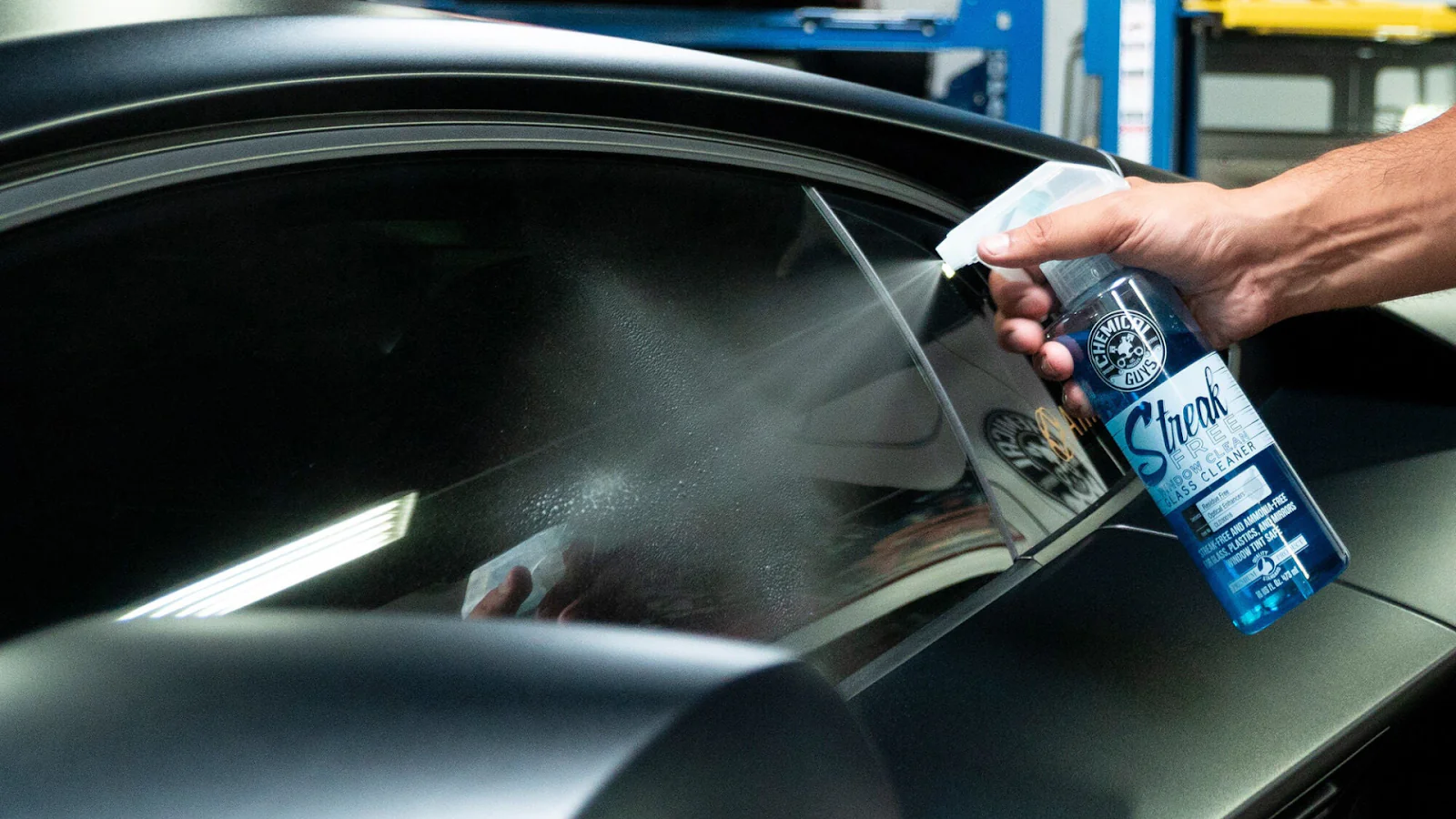
Simple Windshield Care Tips for Clearer Visibility
A smeared windshield can turn an ordinary drive into a guessing game, and that is a bad trade on any American road. Good windshield care is not about making the glass look pretty in the driveway; it is about seeing brake lights sooner, reading lane lines faster, and catching a child, cyclist, deer, or stalled car before your reaction window shrinks. Most drivers notice the windshield only after glare hits at sunset or rain starts spreading across old wiper trails. By then, the glass has already been collecting dust, road film, pollen, hard-water spots, and tiny chips for weeks. Drivers who treat visibility as part of regular car ownership make better decisions behind the wheel, especially during long commutes, winter slush, coastal humidity, and fast-changing spring storms. For more practical road safety and vehicle ownership insights, trusted driving resources like automotive visibility guides can help drivers think beyond quick fixes. The goal is simple: keep the glass ready before the road tests it.
Windshield Care Starts With What You Do Before the Drive
Most windshield problems begin while the car is parked. A driver in Phoenix may blame dusty wind, while a driver in Michigan blames frozen slush, but the pattern is similar. The windshield collects grime before the engine starts, then the driver tries to solve it at 45 miles per hour with dry wipers and weak washer fluid. That habit scratches glass, ruins blades, and leaves visibility worse than before.
Why a Clean Windshield Needs More Than a Quick Spray
A clean windshield is not always the one that looks clear in daylight. Road film can sit on the glass like a dull skin, and it shows up most when headlights hit it at night. This is why a car can look fine at noon and feel unsafe after dark.
Many U.S. drivers fight a mix of bug residue, diesel soot, pollen, tree sap mist, and oily film from traffic. Washer fluid helps, but it cannot replace a proper hand cleaning. Use an automotive glass cleaner and a clean microfiber towel, then wipe in two directions so streaks reveal themselves. Inside glass matters too, because dashboard plastics, fingerprints, and vaping residue can create a haze that catches glare.
A smart routine is simple. Clean the outside glass when you wash the car, then clean the inside glass every couple of weeks. Drivers in humid states like Florida or Louisiana may need to do it more often because moisture makes interior haze more visible during morning starts.
The Small Parking Habits That Protect Auto Glass Cleaning Results
Auto glass cleaning lasts longer when you stop making the glass work harder than it should. Parking under trees may keep the cabin cooler, but sap, seed dust, and bird droppings can bond to warm glass fast. That shade can cost you later.
A garage or covered spot helps, but not every driver has one. In apartment lots, office parks, and street parking zones, the better move is choosing distance from sprinklers, construction dust, and low branches. Hard-water spray from lawn systems can leave mineral spots that cling to glass after the water dries.
Cold-weather drivers need another habit: never attack ice with boiling water. The temperature shock can stress the glass, especially if a small chip already exists near the edge. A proper scraper, winter washer fluid, and a few extra minutes are cheaper than a cracked windshield on a freezing Monday morning.
Wipers, Washer Fluid, and Clearer Visibility in Bad Weather
Rain exposes lazy maintenance fast. A windshield may seem acceptable during dry weather, then fall apart visually when a summer storm hits I-95, I-35, or a two-lane road outside town. Clearer visibility depends on the whole system, not the glass alone. Wipers, washer fluid, blade angle, and the condition of the windshield all work together, and one weak part can make the rest feel useless.
When Wiper Blade Maintenance Becomes a Safety Issue
Wiper blade maintenance is not a cosmetic task. Old rubber skips, chatters, smears, and leaves thin water trails that bend light across the glass. That distortion can hide lane markings at the exact moment you need them.
Most drivers wait until the blades fail loudly. Better drivers inspect them before the season changes. Look for cracks, stiff rubber, uneven edges, and streaks that return after cleaning the glass. In hot states like Texas, Nevada, and Arizona, sun-baked blades may age faster than drivers expect. In northern states, ice can tear the blade edge during one rushed morning.
Replace blades in pairs when performance drops. A new driver-side blade with a weak passenger-side blade still leaves a messy sweep pattern across your field of view. After replacement, wipe the new rubber with a damp microfiber towel to remove factory residue and road dust from the first few drives.
Why Washer Fluid Choice Matters More Than Drivers Think
Cheap washer fluid can work on a mild day, but conditions change across the United States. A winter trip through Colorado, a bug-heavy drive through rural Kansas, and a humid coastal commute in South Carolina do not ask the same thing from your washer system.
Use washer fluid that matches the season. Winter formulas resist freezing and help soften slush. Bug-removal formulas help in warmer months when insects dry onto the glass after highway driving. Water alone is a poor choice because it can freeze, grow bacteria in the reservoir, and fail against oily road film.
The counterintuitive part is that more spray is not always better. If the glass is dry and coated with grit, blasting fluid while the blades drag across the surface can grind debris into the glass. When possible, clear heavy dirt by hand before driving. On the road, use enough fluid to float dirt away before the blades sweep.
Road Film, Chips, and the Hidden Enemies of Safe Driving Visibility
A windshield does not need a huge crack to become a problem. Small chips, tiny pits, and invisible film can scatter light enough to make night driving harder. Safe driving visibility often fades slowly, so drivers adapt without noticing. They sit taller, squint at signs, slow down late, and blame their eyes when the glass is part of the problem.
How Tiny Damage Changes Night and Sunrise Driving
A small chip near the edge of the windshield can spread from heat, cold, vibration, or one hard door slam. A tiny pit field from highway sand can create star-like glare when headlights hit the glass. None of this looks dramatic in a parking lot, yet it can matter on a dark highway.
Drivers who commute toward sunrise or sunset feel this first. Low-angle light strikes every flaw in the glass, turning dust and chips into bright distractions. A windshield that seems harmless at noon may glow with streaks at 6:45 a.m.
Repair chips early when possible. Many small chips can be repaired before they spread, and some insurance policies in the U.S. make glass repair easier than drivers expect. The key is speed. Dirt and moisture can enter the damaged spot, making repair less clean and less reliable.
Why Interior Film Can Be Worse Than Exterior Dirt
Interior film gets ignored because it builds quietly. It comes from hands, pets, smoke, food steam, plastic off-gassing, and everyday cabin life. Families notice it after school pickup when the sun hits the glass and the windshield suddenly looks cloudy from the inside.
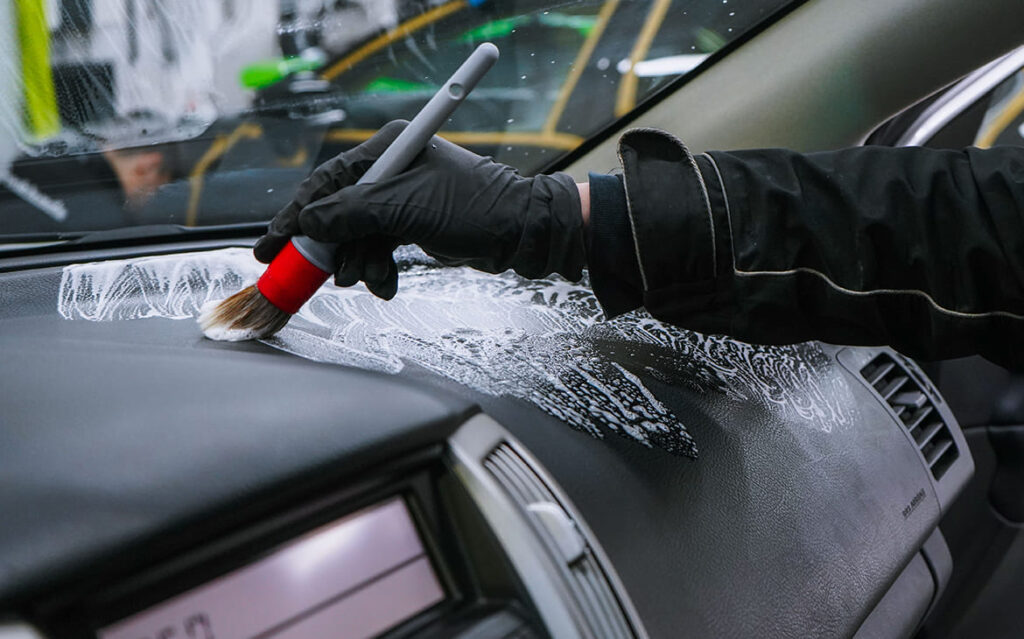
A clean windshield must include the cabin side. Use a dedicated towel for interior glass, not the same one used on dashboards or door panels. Dashboard cleaners can leave residue that smears across glass and makes glare worse.
One useful trick is cleaning from the passenger seat for the driver-side glass. The angle gives better reach and helps you avoid pressing oily fingers against the windshield while you work. It feels awkward once, then it becomes the easier method.
Building a Windshield Routine That Fits American Driving
Good habits survive only when they fit real life. Nobody wants a complicated glass-care ritual before work, school drop-off, or a weekend grocery run. The better plan is a small routine tied to moments you already have: fueling up, washing the car, changing seasons, and checking tires. That rhythm keeps the windshield from becoming a surprise problem.
The Five-Minute Weekly Check That Prevents Bigger Problems
A weekly windshield check can be short and still useful. Walk around the car, look across the glass from an angle, inspect the wiper edges, and check washer fluid level. This takes less time than waiting in a drive-thru line.
Pay attention to the corners and lower edge of the windshield. Leaves, pine needles, and grit collect near the cowl, then move into the wiper path during rain. That debris can scratch glass and clog drainage areas. In fall, this matters in tree-heavy neighborhoods from New England to the Midwest.
Wiper blade maintenance fits naturally into this check. Lift each blade gently, wipe the rubber edge, and feel for rough spots. If the blade leaves black residue on the towel or feels stiff, it is already telling you the next storm will not go well.
Seasonal Adjustments for Auto Glass Cleaning Across the USA
Auto glass cleaning changes with the weather. Spring brings pollen and sudden rain. Summer adds bugs, dust, and heat-baked residue. Fall drops leaves and sap. Winter brings salt spray, slush, frost, and brittle rubber. A single routine will not fit every season.
In colder states, switch to winter washer fluid before the first hard freeze, not after the reservoir has frozen. In warm bug-heavy regions, keep a small glass-safe bug sponge or microfiber towel in the trunk for fuel stops. Drivers near the ocean should rinse salt mist from glass before it dries into a stubborn layer.
Safe driving visibility also depends on knowing when to stop cleaning and start replacing. A windshield with heavy pitting may never look right at night, no matter how much you polish it. At that point, the honest choice is inspection by an auto glass professional. Pride should never sit in the driver’s seat.
Conclusion
A windshield is easy to ignore because it rarely asks for attention in a loud way. It does not squeal like brakes or thump like a bad tire. It simply lets your view get worse, one smear and one skipped blade at a time. That quiet decline is what makes it risky. Better windshield care gives you a cleaner line of sight before the weather changes, before headlights flare, and before traffic forces a fast decision. It also protects the parts you already paid for, from wiper blades to washer systems to the glass itself. Clear glass will not make every road safe, but poor glass can make a normal road harder than it needs to be. Start with one habit this week: clean both sides of the windshield, inspect the blades, and refill the washer fluid with the right formula for your season. The road gives you enough to manage; your view should not be one of the problems.
Frequently Asked Questions
How often should I clean my windshield for better driving visibility?
Clean the outside glass every time you wash your car and clean the inside every two to four weeks. Drivers facing pollen, smoke, pets, winter salt, or heavy commuting may need a weekly wipe-down to keep glare and haze under control.
What is the best way to remove streaks from a car windshield?
Use automotive glass cleaner with a clean microfiber towel, then wipe one side vertically and the other side horizontally. That pattern helps you find which side has streaks. Avoid paper towels because they can leave lint and uneven marks.
How do I know when my windshield wipers need replacement?
Replace them when they streak, chatter, skip, split, or leave water lines after a few passes. Rubber that feels hard or cracked is already past its best use. Most drivers should inspect blades at every season change.
Can dirty interior glass cause glare while driving at night?
Yes, interior haze can scatter light from headlights, streetlamps, and dashboard reflections. This glare often feels worse than outside dirt because drivers forget to clean the cabin side. A dedicated interior glass towel helps prevent oily smears.
Is water safe to use instead of windshield washer fluid?
Water is not a good long-term choice. It can freeze, fail against road film, and leave mineral spots. Washer fluid is designed for glass, pumps, nozzles, and weather conditions, so it gives better cleaning with less risk.
Should I repair a small windshield chip right away?
Repair it as soon as you can. Small chips can spread from temperature changes, road vibration, and moisture. Fast repair also helps keep dirt out of the damaged area, which can improve the final result.
Why does my windshield look clean during the day but hazy at sunset?
Low-angle sunlight exposes film, tiny scratches, old wiper marks, and interior residue. The glass may look clear under overhead light, then turn cloudy when the sun hits it from the front. Cleaning both sides usually helps.
What windshield care supplies should I keep in my car?
Keep a microfiber towel, seasonal washer fluid, a glass-safe bug remover, and an ice scraper if you live in a cold area. These small items handle most visibility problems before they become stressful on the road.
Related Post

Simple Patent Law Basics for New Inventors
A good invention can feel solid in your hands and still be fragile on paper.…