

What Really Happens to Electronics Inside an E-Waste Recycling Facility?
Maine Local Archive >> Technology>> What Really Happens to Electronics Inside an E-Waste Recycling Facility?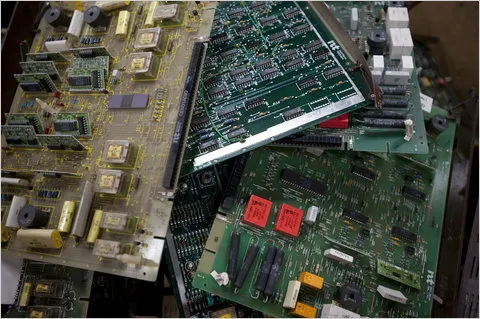
What Really Happens to Electronics Inside an E-Waste Recycling Facility?
Old laptops, cracked smartphones, obsolete servers, televisions, printers, and unwanted appliances often disappear from view once they are collected. Yet responsible recycling involves much more than simply placing electronics into a shredder. Behind the doors of a professional facility, discarded devices pass through a carefully controlled process designed to protect data, prevent pollution, recover valuable materials, and return usable resources to manufacturing supply chains.
Understanding this process can help businesses and households make better disposal decisions. It also explains why electronic waste should never be treated like ordinary rubbish. A device that looks worthless may contain reusable components, confidential information, hazardous substances, and metals with significant market value.
Why Electronics Require Specialist Handling
Electronic devices are complex combinations of plastics, glass, circuit boards, batteries, cables, and metals. Depending on the product, they may contain copper, aluminium, steel, gold, silver, palladium, or other recoverable resources. They can also contain substances that require controlled handling, including lead, mercury, refrigerants, and certain flame retardants.
When electronics are dumped in a landfill or dismantled informally, hazardous materials can contaminate soil, water, and air. Improper processing may also expose workers to sharp components, toxic dust, or dangerous fumes. Choosing a qualified provider for electronic waste (e waste) therefore supports environmental protection, workplace safety, and regulatory compliance at the same time.
Step 1: Collection, Receiving, and Registration
The recycling journey begins before a device reaches the processing floor. Depending on the volume and location, electronics may be delivered to a drop-off point or collected directly from a home, office, data centre, warehouse, or industrial site.
At the facility, incoming material is weighed, documented, and classified. Business clients may require a detailed inventory showing asset descriptions, quantities, serial numbers, or collection references. This chain of custody is particularly important when retired equipment contains sensitive information or forms part of a company’s audited asset register.
Clear documentation also prevents material from becoming untraceable. Reputable recyclers can explain where equipment goes, how it is processed, and which records are available after completion.
Step 2: Sorting and Initial Assessment
Not every incoming device should immediately be destroyed. Trained staff first separate equipment by type, condition, composition, and potential processing route. Computers may be grouped separately from televisions, batteries, cables, household appliances, or telecommunications equipment.
During assessment, technicians may determine whether a product or component can be safely reused. Extending the working life of suitable equipment can preserve more of the energy and materials invested in manufacturing it. However, reuse must be balanced against data-security requirements, product safety, repair feasibility, and the availability of legitimate resale channels.
Devices that cannot be responsibly reused move forward for dismantling and material recovery. Batteries, toner cartridges, lamps, and other special components are often removed early because they require dedicated treatment.
Step 3: Secure Data Destruction
For businesses, data protection is one of the most important stages of electronics disposal. Deleting files or restoring a computer to factory settings does not necessarily make stored information irrecoverable. Hard drives, solid-state drives, phones, servers, and backup devices may still hold customer records, employee details, financial information, passwords, or intellectual property.
A professional facility follows a defined data-destruction process based on the client’s security needs. Methods may include verified software wiping, degaussing for compatible magnetic media, or physical destruction. When physical destruction is selected, storage devices may be crushed, shredded, or otherwise rendered unusable before their materials are recovered.
Organisations planning a collection should ask whether serial-number tracking and certificates of data destruction are available. These records can help demonstrate due diligence and strengthen internal governance.
Step 4: Manual Dismantling
After data-bearing media and hazardous components have been secured, technicians dismantle equipment to separate major material categories. Covers, circuit boards, wiring, power supplies, frames, screens, motors, and plastic housings may all follow different processing routes.
Manual dismantling improves recovery because workers can isolate valuable parts before mechanical treatment. It also keeps problematic materials out of general shredding streams. For example, a circuit board has a very different composition and value from a steel computer case, while a battery requires different precautions from an electrical cable.
This stage demonstrates why effective recycling depends on expertise rather than brute force. Accurate identification helps maximise resource recovery while reducing contamination between material streams.
Step 5: Size Reduction and Mechanical Separation
Once devices have been made safe and dismantled, suitable fractions may enter industrial size-reduction equipment. Shredders break material into smaller, more consistent pieces that can be separated efficiently. Facilities use dust controls, guarding, and other safety systems to manage the risks associated with mechanical processing.
The resulting mixture then passes through combinations of separation technology, which may include:
- Magnets to extract ferrous metals such as steel and iron.
- Eddy-current separators to recover non-ferrous metals such as aluminium.
- Air classification to divide light materials from heavier fractions.
- Screening equipment to sort particles by size.
- Optical or density-based systems to improve the separation of plastics, metals, and circuit-board material.
No single machine performs the entire job. High-quality electronic waste recycling (e waste recycling) combines trained people, controlled procedures, specialised equipment, and downstream partners capable of refining each recovered fraction.
Step 6: Recovery and Refining
Separated metals are prepared for smelters, refiners, and manufacturers. Steel, copper, aluminium, brass, and precious-metal-bearing circuit boards can re-enter industrial supply chains instead of remaining buried in landfills. Plastics may also be processed for reuse where their composition, condition, and applicable standards allow it.
Refining is where concentrated fractions are transformed into materials suitable for new production. Precious metals occur in small quantities, so efficient aggregation and specialist processing are essential. Recovering these resources reduces dependence on virgin extraction and captures economic value from equipment that owners may otherwise regard as worthless.
South Group Recycling applies this resource-recovery mindset to electronics collected from businesses and individuals. With more than a decade of experience, operations in Cape Town, Johannesburg, Durban, and Pretoria, and service reach across multiple African countries, the company combines secure handling with practical commercial value. Its ISO 9001 and ISO 14001 certifications further reflect structured quality and environmental management.
Step 7: Responsible Treatment of Residual Material
Even an efficient facility cannot turn every component into a new product. Contaminated fractions, certain mixed plastics, damaged batteries, and hazardous residues may require specialised treatment or legally approved disposal. The objective is to minimise this residual stream while ensuring that unavoidable waste is managed safely.
This is also where responsible providers differ from informal collectors. A low collection price or convenient pickup means little if unwanted fractions are later dumped, burned, or exported without appropriate controls. Businesses should evaluate the complete downstream process, not only the first collection vehicle.
How to Prepare Electronics for Collection
A little preparation can improve security, simplify reporting, and make processing more efficient. Before handing equipment to a recycler:
- Create an inventory of devices, especially servers, computers, phones, and storage media.
- Back up any information that must be retained.
- Define whether assets may be reused or must be physically destroyed.
- Keep batteries secure and report any that are swollen, leaking, or damaged.
- Avoid dismantling devices unless staff have suitable training and protective equipment.
- Request collection records, recycling documentation, and data-destruction evidence where relevant.
Companies should also establish a recurring disposal programme rather than allowing obsolete technology to accumulate indefinitely. Regular collections reduce storage risks, support accurate asset registers, and make sustainability performance easier to measure.
Questions to Ask a Recycling Provider
Before selecting a partner, ask how materials are tracked, how data is destroyed, which environmental and quality standards guide operations, and what happens to hazardous fractions. It is also useful to ask whether pricing is transparent and whether valuable materials can generate a return.
The right provider should be able to discuss compliance, collection logistics, certificates, downstream processing, and material recovery in straightforward terms. South Group Recycling supports this approach through compliant services aligned with South African waste-management requirements, secure data destruction, asset management, and recovery of valuable metals.
If unused electronics are occupying cupboards, storerooms, or warehouse space, now is a practical time to inventory them and speak with a qualified recycling team. Responsible processing can reduce environmental and information-security risks while turning redundant equipment into recoverable resources. What leaves your premises as an unwanted device can begin a second life as metal, plastic, components, or manufacturing feedstock—and that is the circular economy operating in tangible form.
Related Post

Simple Automation Tools for Saving Work Time
A full workday can disappear before the real work even starts. Between email sorting, file…