
Top Sacramento Political Stories Making State Headlines
Maine Local Archive >> Blogs>> Top Sacramento Political Stories Making State Headlines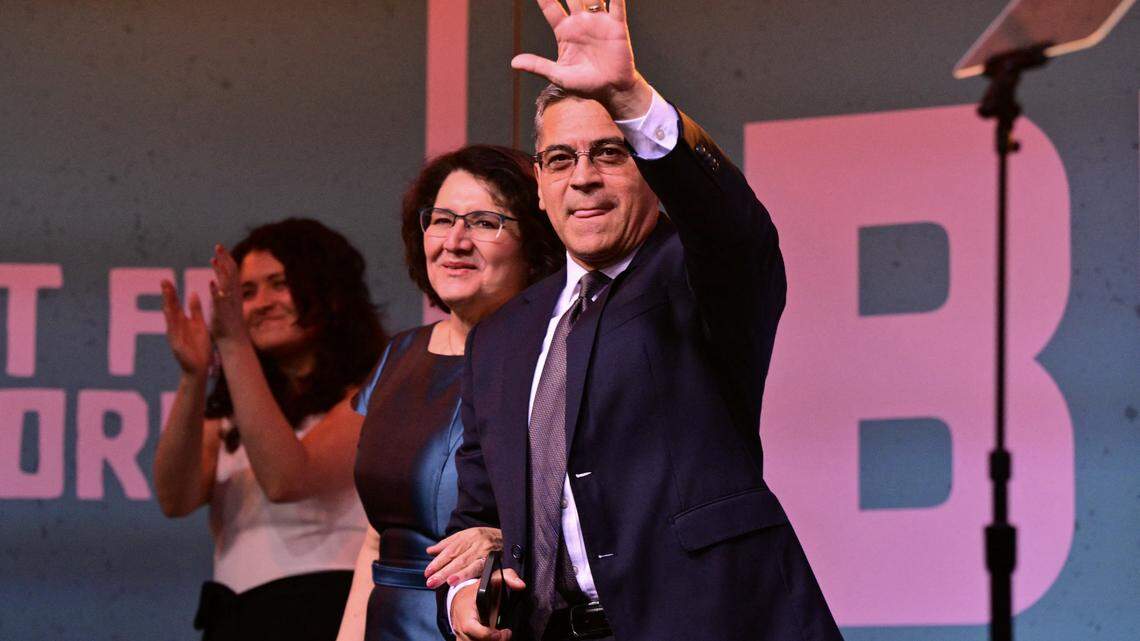
Top Sacramento Political Stories Making State Headlines
Sacramento can feel distant until one vote, one budget cut, or one courtroom fight reaches your school, rent, clinic, commute, or small business. That is why Sacramento political stories matter far beyond the Capitol dome: they turn state power into daily consequences for families across California and the wider United States. The city is not only California’s capital; it is the place where national arguments over housing, immigration, budgets, climate, public safety, and party leadership get tested under pressure.
The current political mood is tense because voters are watching leaders argue over money while households argue over grocery bills, insurance costs, and rent. California’s 2026 governor’s race remained unsettled after the June primary, with Steve Hilton, Xavier Becerra, and Tom Steyer among the leading names as votes continued to be counted. For readers tracking state policy coverage, Sacramento has become the place where headlines stop being noise and start becoming rules.
Why Sacramento Political Stories Are Driving California’s Bigger Debate
California politics rarely stays inside California. A housing bill drafted in Sacramento can shape zoning fights in other states, while a budget choice about health care or schools can become a national talking point within hours. The state’s size gives every Capitol dispute extra weight, but the bigger story is trust. Voters want proof that leaders can govern while costs rise and patience shrinks.
How the Governor’s Race Became a Test of Voter Frustration
The unsettled 2026 governor’s race shows how restless California voters have become. The field drew major Democratic names, a Trump-aligned Republican message, and a long list of candidates trying to sound like the adult in the room. That kind of crowd does not appear when voters feel calm.
The deeper issue is not only who wins. It is what the race says about the public mood. Housing, homelessness, wildfires, and affordability shaped the campaign because voters no longer separate “state politics” from life at home. A family in Sacramento County sees insurance strain, rent pressure, and school costs as one problem, even when government divides them across committees.
Why California State Politics Now Feels National
California state politics often becomes a preview of national battles. Immigration policy, climate rules, housing reform, and budget fights all carry national meaning because other states watch what California attempts, copies, rejects, or ridicules. That makes Sacramento a political laboratory with cameras pointed at every experiment.
The counterintuitive part is that California’s national image can hide local weakness. A state can look powerful from Washington and still feel strained in Fresno, Stockton, Oakland, or South Sacramento. That gap is where today’s political tension lives. Leaders talk about economic scale, while residents talk about whether the next bill can be paid.
The Budget Fight Is About More Than Numbers
Money has become the bluntest political language in Sacramento. Gov. Gavin Newsom’s revised 2026-27 budget proposal was reported at roughly $350 billion and aimed to avoid a near-term deficit while holding back on major new spending. That sounds stable on paper, but budget politics is never only math. It is a public argument over who absorbs pain first.
Why the California Budget Debate Hits Households Directly
The California budget debate affects classrooms, clinics, housing programs, wildfire response, transportation projects, and local governments. When state leaders trim, delay, or protect a program, the effect does not stay in a spreadsheet. It shows up as a longer wait, a smaller grant, a postponed repair, or a county department forced to stretch thin staff.
Newsom’s May revision reflected stronger revenue than earlier forecasts, helped by stock-market strength and AI-related gains, but several analysts and advocates warned that California still faces long-term budget strain. That is the uncomfortable part. A budget can balance today and still leave tomorrow looking shaky.
Why Fiscal Discipline Can Become a Political Risk
Fiscal restraint sounds responsible until voters feel it as neglect. A governor can argue for reserves, reduced long-term deficits, and fewer new promises. Lawmakers can argue that health care, housing, and safety-net programs cannot wait for cleaner balance sheets. Both sides can be partly right, which makes the fight harder.
The unexpected lesson is that surplus years created some of today’s anger. When residents heard past talk of massive state resources, many assumed California had room to solve visible problems faster. Now, when officials say the money is tight, voters hear a contradiction. Sacramento news becomes sharper when the public suspects the state is wealthy and broke at the same time.
Housing, Homelessness, and Local Pressure Are Reshaping the Capitol
Housing remains the issue that drags every other debate back to earth. A state can pass climate laws, build political brands, and argue over national leadership, but if working families cannot stay near their jobs, confidence collapses. Sacramento lawmakers entered 2026 after a busy housing cycle, with policy attention shifting toward construction costs, faster production, and insurance pressure.
Why Housing Reform Is Harder Than Slogans
California housing politics sounds simple from a distance: build more homes. Up close, it gets messy. Cities worry about infrastructure, neighbors fear density, builders complain about fees, environmental rules add delay, and renters need relief before new supply arrives. Every group has a point. None has the whole answer.
Sacramento’s challenge is to turn pressure into workable law without pretending one bill can fix decades of underbuilding. That means housing reform must deal with permits, labor, financing, insurance, local resistance, and public trust at the same time. Miss one piece, and the policy looks brave at the signing ceremony but weak on the street.
How Local Government Updates Reveal the Real Test
Local government updates matter because cities must carry out many state ambitions. Sacramento’s own city government includes offices tied to planning, elections, city management, public safety accountability, and council representation, which shows how broad local implementation becomes once state goals leave the Capitol.
This is where politics gets practical. A state housing target means little if a city lacks staff, infrastructure money, or neighborhood buy-in. A homelessness plan sounds firm until local shelters, outreach teams, police, hospitals, and courts all face different limits. The Capitol writes the headline, but city halls live with the footnotes.
Elections Are Turning Sacramento Into a Warning Sign
Campaign season exposes what governing tries to hide. Voters do not only judge parties; they judge whether public life feels manageable. California’s primary turbulence, including the governor’s race and major congressional contests, suggests many voters are not satisfied with familiar answers.
Why Sacramento’s Congressional Race Matters
Sacramento’s congressional politics added another layer to the state conversation. Rep. Doris Matsui, a long-serving member of Congress, took an early lead over Sacramento City Council member Mai Vang in the race to represent the area, according to local reporting after the June 2026 primary. That race matters because it shows a common California tension: experience versus generational change.
Voters often say they want fresh leadership, then hesitate when the alternative feels untested. They also say they value seniority when federal money, committee access, and local projects are at stake. The result is not hypocrisy. It is practical anxiety. People want change, but they do not want to lose influence while asking for it.
Why Party Labels Are No Longer Enough
Party identity still matters in California, but it no longer answers every question. Democrats face pressure from progressives, moderates, labor groups, housing advocates, climate voters, and public safety voices. Republicans face the challenge of being heard in a state where statewide power remains difficult, even when frustration gives them openings.
That makes Sacramento political stories more unpredictable than outsiders expect. California may lean blue, but its policy fights are not simple. A Democrat can face anger over homelessness. A Republican can gain attention by attacking one-party rule. An independent-minded voter can support climate action and still demand faster permitting, cleaner streets, and lower costs.
Conclusion
Sacramento’s biggest political lesson is plain: voters are tired of speeches that do not survive contact with daily life. They want leaders who can count money honestly, build housing faster, protect essential services, and admit when old habits no longer work. The state’s size gives California power, but size also makes every failure harder to hide.
The next wave of Sacramento political stories will not be judged by clever messaging. It will be judged by whether families feel less squeezed, whether cities can carry out state promises, and whether elected officials stop treating public patience as unlimited. California does not need louder politics. It needs cleaner execution, sharper priorities, and leaders willing to disappoint the right people for the right reasons.
Watch the Capitol closely, because the next headline from Sacramento may be the first warning of what reaches your neighborhood next.
Frequently Asked Questions
What are the biggest Sacramento political stories right now?
The biggest stories center on California’s 2026 governor’s race, the state budget, housing reform, homelessness policy, and key congressional contests. These issues matter because Sacramento decisions often shape costs, services, and local rules across California.
Why does Sacramento news matter to people outside the city?
Sacramento is California’s capital, so decisions made there affect nearly 40 million residents. State laws on housing, taxes, education, climate, public safety, and health care often influence national policy debates as well.
How does the California budget debate affect everyday residents?
Budget choices affect schools, health programs, transportation, housing aid, wildfire readiness, and local government funding. A small change in Sacramento can mean longer waits, fewer services, or delayed projects in cities and counties.
Why is housing such a major issue in California state politics?
Housing touches almost every other problem in California, including homelessness, job access, family stability, school enrollment, and local business growth. Lawmakers face pressure to build faster while balancing neighborhood concerns, costs, and infrastructure limits.
What makes California state politics different from other states?
California’s economy, population, media attention, and policy reach make its politics unusually visible. A decision in Sacramento can become a model, warning, or campaign argument for leaders across the United States.
How do Sacramento elections affect national politics?
Sacramento-area races can signal voter attitudes on affordability, public safety, party leadership, and generational change. Because California holds many congressional seats, its election outcomes can also affect power in Washington.
Why are voters frustrated with California political leaders?
Many voters feel that government promises have not matched daily reality. High housing costs, homelessness, insurance pressure, budget strain, and public safety concerns have made patience thinner across many communities.
Where should readers follow California political updates?
Readers should follow official state releases, local Sacramento outlets, statewide nonprofit newsrooms, election offices, and legislative updates. Mixing official records with independent reporting gives a clearer view than relying on campaign statements alone.
Related Post

Simple Customer Acquisition Tips for New Brands
A new brand does not fail because people dislike it; it usually fails because too…