

Inflation Proof Budget Ideas for Careful Households
Maine Local Archive >> Blogs>> Inflation Proof Budget Ideas for Careful Households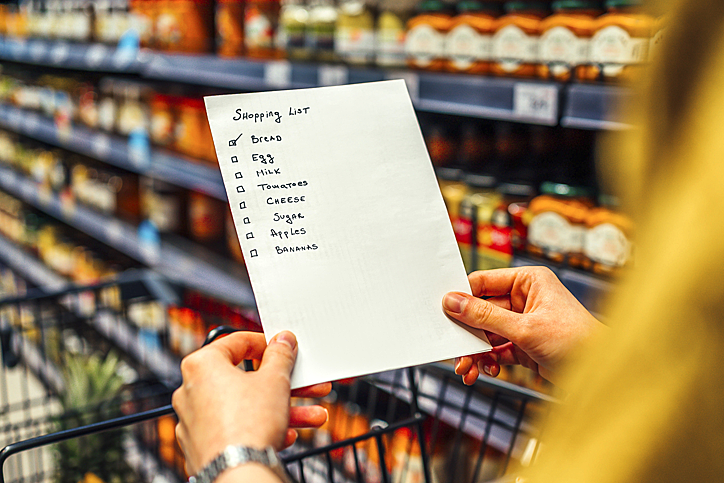
Inflation Proof Budget Ideas for Careful Households
Groceries cost more, rent rarely moves backward, and one surprise car repair can wreck a household plan that looked fine on paper. Inflation Proof Budget Ideas matter because careful American families are not trying to live cheap; they are trying to stay steady when prices keep shifting under their feet. The old advice to “cut coffee” feels useless when insurance, eggs, utilities, childcare, and credit card rates are the real pressure points.
A smart budget in this economy does not start with guilt. It starts with control. You need a plan that absorbs higher prices without turning every trip to Walmart, Costco, Target, or the gas station into a small financial panic. That means building spending rules around real life, not fantasy numbers that collapse by the second week of the month.
A strong household budget also needs better information. Trusted money resources such as practical financial planning insights can help families think beyond quick fixes and build habits that hold up longer than one billing cycle.
Inflation Proof Budget Ideas Start With Spending You Can Actually See
A household cannot protect money it cannot see. Most budgets fail because they start with categories instead of behavior, and behavior is where inflation does its damage. Prices rise in small bites, then the month ends with a number that feels impossible.
Build a Real Price Map Before Cutting Anything
Your first job is not to cut. Your first job is to watch. For two weeks, write down what your household pays for the same basic items: milk, bread, eggs, gas, school snacks, laundry supplies, dog food, prescriptions, and takeout meals. This is not busywork. It shows where inflation is hitting your actual home.
A family in Ohio may discover that groceries are not the only problem. Their car insurance may have jumped, their electric bill may be creeping up, and weekend convenience spending may be filling the gap left by tired weeknights. That changes the budget conversation fast.
Price mapping also protects you from fake savings. A store brand cereal may save $1.20, but driving across town for cheaper gas may cost more than it saves. Careful households win by seeing the whole cost, not the sticker price alone.
Separate Fixed Bills From Flexible Pressure Points
Fixed bills feel boring, but they set the floor of your financial life. Rent, mortgage payments, minimum debt payments, insurance, internet, and childcare usually do not bend much month to month. Flexible costs are where your budget can breathe, but only when you name them clearly.
A useful split looks at needs, rhythm, and pressure. Groceries are a need, but the exact meal plan has room. Gas is a need, but errands can be grouped. Utilities are necessary, but thermostat settings, laundry timing, and appliance use still matter.
The counterintuitive truth is that too many people attack small pleasures first. That can backfire. Cutting every small comfort from a household already under pressure often leads to one bigger spending blowout later. A better plan trims silent leaks before it touches the things that keep morale alive.
Turn Groceries Into a Controlled System, Not a Weekly Guess
Food is where many American households feel inflation first because the receipt is visible. You see the total. You carry the bags. You know the cart looks the same even when the price does not. That emotional hit can make grocery shopping feel like failure, even when you are doing plenty right.
Use Meal Anchors Instead of Full Meal Plans
Full meal plans sound neat, but busy families often abandon them by Wednesday. Meal anchors work better. Pick four low-cost meals your household can repeat without complaint, then build the week around them. Think taco rice bowls, baked potatoes with toppings, pasta with vegetables, breakfast-for-dinner, or soup with grilled cheese.
This gives you structure without turning dinner into a spreadsheet. A parent in Texas may keep ground turkey, tortillas, beans, rice, eggs, frozen peppers, and shredded cheese on hand because those ingredients can become several meals. The budget stays tighter because fewer items sit unused.
Meal anchors also lower decision fatigue. When prices are high, the most expensive sentence in the kitchen is often, “What should we eat tonight?” That sentence leads to delivery, extra grocery trips, or a drive-thru line after work.
Make Household Savings Strategies Work at the Store Level
Good household savings strategies do not depend on perfect discipline. They depend on making the cheaper choice easier to repeat. At the grocery store, that means shopping with a short core list, checking unit prices, buying fewer single-use snacks, and keeping backup meals at home.
A careful household does not need to chase every coupon app. In fact, coupon chasing can push people into buying things they never planned to buy. The better move is to build a “never run out” list for items that stop expensive decisions: rice, oats, pasta, beans, frozen vegetables, canned tomatoes, peanut butter, eggs, and a few proteins that fit your family.
There is also a quiet dignity in boring food systems. They may not look exciting online, but they work. A freezer with two emergency dinners can protect your budget better than a dozen clever savings hacks you forget to use.
Make Debt, Utilities, and Subscriptions Fight for Their Place
Once food becomes more controlled, the next danger hides in automatic payments. These charges do not ask permission each month. They leave quietly, and that makes them dangerous. A budget under inflation pressure needs every recurring bill to prove it deserves space.
Why Cost Cutting Tips Should Start With Contracts
Most cost cutting tips focus on daily spending, but contracts can matter more. Phone plans, internet packages, streaming bundles, gym memberships, insurance policies, and software subscriptions often sit untouched for years. Companies count on that silence.
A household in Florida might save more by renegotiating internet and comparing auto insurance than by skipping lunch for a month. That does not mean daily habits are useless. It means bigger recurring costs deserve first attention because each win repeats automatically.
Call providers with a specific goal. Ask whether a lower plan exists, whether loyalty discounts apply, or whether removing unused features changes the bill. Some companies will not help. Fine. Comparison shopping still gives you power, and power matters when prices keep moving.
Treat High-Interest Debt Like a Budget Leak
Credit card debt becomes more painful when interest rates are high. The balance may not grow because you are careless. It can grow because groceries, gas, repairs, and medical bills hit before cash does. Still, the interest does not care why the balance exists.
Pick one debt strategy and stick with it long enough to see movement. The avalanche method attacks the highest interest rate first. The snowball method attacks the smallest balance first. Both can work, but switching every month usually does not.
The unexpected move is to create a “debt prevention” line in the budget before extra debt payments. Even $25 or $40 a month for small emergencies can stop the next charge from landing on the card. Paying debt while creating new debt is like mopping the floor with the sink still running.
Build a Cash Buffer That Matches Real American Life
Emergency funds sound simple until life gets expensive. A three-to-six-month target can feel insulting to households already stretched. The better starting point is a practical cash buffer built for the problems most likely to happen in your home.
Start With the First $500, Not the Perfect Number
The first $500 matters because it catches the kind of problem that ruins a month. A tire replacement, urgent care copay, school fee, plumber visit, or appliance repair can push a family into debt when no buffer exists. That first layer is not glamorous. It is protection.
You can build it through tax refunds, overtime, selling unused items, cash-back rewards, or a temporary pause on one flexible expense. The point is not where the money comes from. The point is to separate it before life absorbs it.
Many households make the mistake of waiting for a “good month” to save. Good months are rare when costs are rising. A better rule is to save a small amount first, then let the rest of the budget adjust around it.
Use Money Management Habits That Survive Stress
Strong money management habits must work when you are tired, busy, and annoyed. That means fewer moving parts. Use one bill calendar, one weekly money check-in, one grocery plan, and one savings target at a time. A complicated system may look smart, but stress will expose it.
Set a weekly 20-minute budget appointment. Review upcoming bills, check account balances, look at food already in the house, and decide what spending must wait. This small habit can prevent overdrafts, late fees, and panic purchases.
A careful household also needs permission to adjust. If heating costs spike in January or back-to-school costs hit in August, the budget should bend without shame. Rigidity is not strength. A budget that can adjust is the one that lasts.
Conclusion
The families who handle rising prices best are not always the ones with the highest incomes. They are often the ones who notice faster, adjust sooner, and refuse to let silent spending make decisions for them. Inflation Proof Budget Ideas are less about extreme sacrifice and more about building a household system that can take a hit without falling apart.
Start with visibility. Map prices, protect groceries, challenge recurring bills, and build the first layer of cash before chasing a perfect plan. Use household savings strategies that fit your real schedule, and keep cost cutting tips focused on changes that repeat without daily drama. Then strengthen the whole plan with money management habits that still work during a hard week.
You do not need to fix your entire financial life by Friday. You need one honest budget meeting, one cleaner grocery plan, and one bill that no longer gets a free pass. Start there, and let the next smart move become easier than the last.
Frequently Asked Questions
What are the best budget ideas for families during inflation?
Start by tracking your highest-pressure categories, usually groceries, utilities, gas, insurance, and debt payments. Then reduce recurring costs before cutting small comforts. Families do best when they build repeatable systems instead of relying on willpower every day.
How can careful households save money on groceries?
Use meal anchors, buy flexible ingredients, compare unit prices, and keep backup meals at home. Avoid shopping hungry or without a list. The biggest grocery savings often come from fewer wasted items and fewer emergency takeout nights.
What monthly bills should I review first when prices rise?
Start with phone plans, internet, insurance, streaming services, subscriptions, and credit card interest. These bills often renew quietly, which makes them easy to ignore. One successful negotiation or cancellation can create savings every month without extra effort.
How much emergency savings should a household build first?
Aim for the first $500 before worrying about a large emergency fund. That amount can cover many common setbacks, including car repairs, medical copays, school costs, and home fixes. Once that buffer is stable, grow it in small monthly steps.
Are coupons still useful for household budgeting?
Coupons help when they reduce the cost of items you already planned to buy. They hurt when they encourage extra purchases. A simple grocery list, store-brand swaps, and fewer wasted ingredients often beat a scattered coupon strategy.
How do I budget when my income changes every month?
Base your budget on your lowest typical monthly income, not your best month. Use stronger months to build savings, catch up bills, and prepare for slower periods. This keeps basic expenses covered without depending on income that may not arrive.
What is the easiest way to stop overspending?
Create a weekly money check-in and review upcoming bills before spending freely. Overspending often happens because people react too late. A 20-minute review can catch problems early and make the next few days easier to manage.
Should I pay debt or save money first?
Build a small emergency buffer first, then attack high-interest debt. Without savings, the next surprise expense may go back on the credit card. Even a modest cushion helps break the cycle while you work down balances.
Related Post
Simple Business Proposal Tips for Winning Clients
A weak proposal can make a strong business look careless in five minutes. Clients in…