

Simple Houseplant Care Tips for Fresh Indoor Greenery
Maine Local Archive >> Blogs>> Simple Houseplant Care Tips for Fresh Indoor Greenery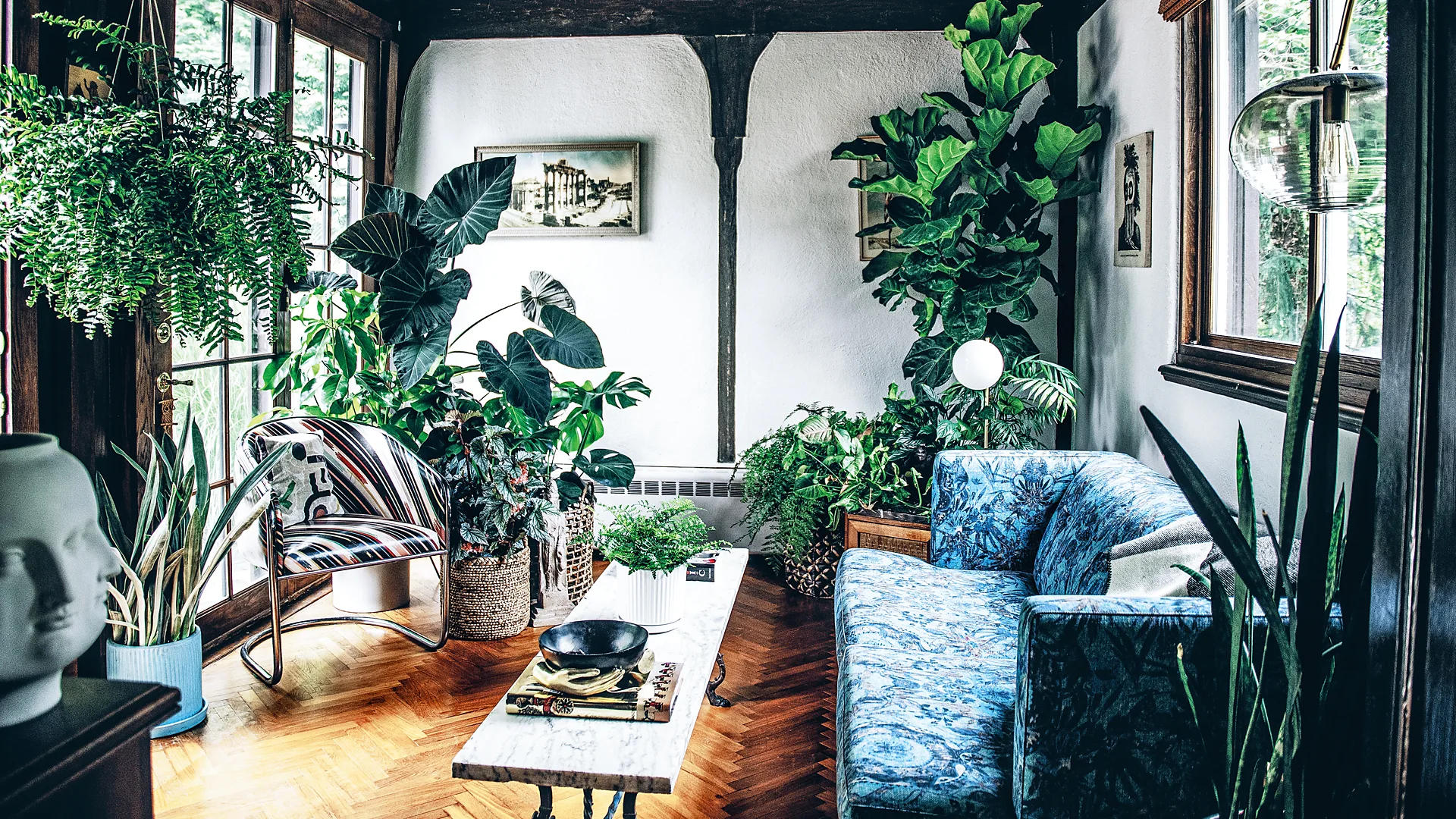
Simple Houseplant Care Tips for Fresh Indoor Greenery
A healthy plant can make a room feel cared for before anyone says a word. That small flash of green on a windowsill, coffee table, or kitchen counter changes the mood faster than another candle or throw pillow ever could. Simple houseplant care tips matter because most indoor plants do not fail from neglect alone; they fail from good intentions done too often. Too much water, too much moving around, too much fuss.
Across many American homes, houseplants now work harder than decoration. They soften apartment corners, bring life into home offices, and make rental spaces feel more personal without a full redesign. A few thoughtful habits can help you keep that greenery fresh without turning plant care into another chore. For homeowners building a warmer indoor style, trusted home lifestyle resources like fresh home inspiration can also help connect plant choices with the way a room actually feels.
The goal is not to become a plant expert overnight. It is to understand what your plants are trying to tell you, then respond before small problems become dead leaves on the floor.
Reading the Room Before You Read the Plant Tag
Most plant care advice starts with the plant, but the room usually matters first. A snake plant in a bright Denver loft lives a different life than the same plant in a shaded Chicago apartment. Your home sets the rules long before the nursery tag gets involved.
Match Light to Real Daily Conditions
Light is the first test, and most people overestimate how much they have. A room can feel bright to your eyes while still giving a plant weak light. Human eyes adjust. Plants do not.
Stand in the room at different times of day and watch where the sun actually lands. A south-facing window in Texas may roast tender leaves by noon, while a north-facing window in Seattle may barely support anything beyond low-light plants. This is why pothos, ZZ plants, and snake plants are common beginner favorites. They forgive imperfect light better than fussy tropical varieties.
A helpful trick is to place your hand between the window and the plant’s spot. A sharp shadow means strong light. A soft shadow means moderate light. No clear shadow means low light. That simple test can save you from buying plants that were doomed before they reached your living room.
Notice Heat, Drafts, and Dry Corners
Indoor plants dislike sudden changes more than most people realize. A plant beside a sunny window may seem perfectly placed until winter arrives and cold air leaks through the frame. Another may sit near a heating vent and slowly dry out from one side.
American homes often swing between extremes. Summer air conditioning dries rooms. Winter heating dries them even more. Apartments with forced-air systems can turn tropical plants crispy at the edges, even when watering looks correct. That is not always a water problem. Sometimes the air itself is the problem.
Look for quiet stress signals. Brown tips, curling leaves, and soil that dries too fast can point to heat or airflow. Move the plant a few feet away from vents, doors, radiators, or drafty windows. Small moves often fix what extra watering cannot.
Simple Houseplant Care Tips That Prevent the Usual Mistakes
Most plant problems come from habits that feel helpful. Watering on a strict calendar, repotting too soon, or moving plants every week can all create stress. Better care often means doing less, but doing it with more attention.
Water the Soil, Not the Schedule
Watering every Saturday sounds organized, but plants do not drink by calendar. They drink based on light, room temperature, pot size, soil type, and growth season. A plant in bright summer light may need water often. The same plant in winter may sit wet for days.
Push your finger about an inch into the soil. If it feels dry at that depth, water until moisture drains from the bottom. If it still feels damp, wait. This one habit prevents more dead houseplants than any fancy product on a store shelf.
Overwatering is sneaky because it looks like thirst at first. Leaves yellow. Stems soften. Growth slows. A worried owner adds more water, and the roots lose even more air. Roots need oxygen as much as moisture. When soil stays soggy, the plant begins to suffocate quietly.
Choose Pots That Let Roots Breathe
A pretty pot can betray you. Many decorative containers have no drainage hole, which traps water at the bottom and turns soil sour. The plant may look fine for a few weeks, then collapse without much warning.
Use a nursery pot with drainage inside the decorative pot if you love the look. Water the plant, let it drain in a sink or tray, then place it back. That gives you style without punishing the roots.
Terracotta pots help plants that like drier soil because clay lets moisture escape faster. Plastic pots hold moisture longer, which can work well for plants that dislike drying out. Neither choice is always better. The right pot matches the plant, the room, and your watering habits.
Building a Low-Stress Routine for Fresh Indoor Greenery
A good plant routine should fit into your life without nagging you. The best systems are simple enough to repeat and flexible enough to change with the seasons. Plants respond to rhythm, but they also need you to notice when the room changes.
Check Leaves Like You Check Mail
A weekly plant check does not need to become a full project. Walk through your space and look at the leaves, soil, and stems. This takes less than ten minutes in most homes, and it gives you early warnings before problems spread.
Dust is one of the most ignored houseplant issues. Leaves collect it the same way shelves do. A dusty leaf cannot take in light as well, so the plant works harder for less energy. Wipe broad leaves with a damp cloth every few weeks. For small-leaf plants, a gentle shower in the sink can help.
This also gives you a chance to spot pests. Tiny webbing, sticky residue, pale specks, or small flying insects deserve quick attention. A mild insecticidal soap or neem-based spray can help, but isolation matters first. Move the affected plant away from others before pests turn one problem into a whole shelf of problems.
Feed Lightly During Active Growth
Fertilizer is not plant food in the way people often think. Light is the real fuel. Fertilizer supplies nutrients that help growth, but it cannot save a plant sitting in the wrong spot.
Feed most houseplants during spring and summer when they are actively growing. Use a balanced indoor plant fertilizer at half strength if you are unsure. More is not better. Too much fertilizer can burn roots and leave crusty mineral buildup on the soil surface.
Many plants need little or no feeding in fall and winter because growth slows. Forcing fertilizer during that rest period can stress the plant instead of helping it. Think of fertilizer as support, not a rescue plan.
Choosing Plants That Match Your Actual Lifestyle
The right plant is not always the prettiest one at the store. It is the one that fits your home, your schedule, and your patience. Buying for your real life beats buying for a perfect room that only exists on social media.
Pick Forgiving Plants for Busy Homes
Some homes need tough plants. A busy family in Ohio, a renter in Brooklyn, or a remote worker in Arizona may not have the same time, light, or humidity. That is normal. Plant care should adapt to the home, not shame the owner.
Snake plants, pothos, ZZ plants, philodendrons, and peace lilies can handle ordinary indoor conditions better than many trendier plants. They still need care, but they do not punish every missed day. This makes them strong choices for beginners or anyone who travels.
A counterintuitive truth: easy plants can look more stylish than rare ones when they are healthy. A thriving pothos across a bookshelf beats a struggling expensive plant in a designer pot every time. Freshness comes from vitality, not price.
Avoid Buying Plants Only for Their Looks
Plant shopping can feel like choosing decor, but plants are living things with preferences. A fiddle leaf fig may look stunning in a store, yet sulk in a dim corner. A calathea may catch your eye with patterned leaves, then complain about dry winter air within weeks.
Read the plant’s care needs before you buy. Ask where it was grown in the store, how much light it has been receiving, and how often it has been watered. A plant already stressed at the shop may bring problems home with it.
Buy smaller plants when possible. They usually adjust better than large statement plants because they have less leaf mass to support during the transition. They also cost less, which gives you room to learn without feeling like every mistake is expensive.
Solving Common Problems Before They Spread
Every plant owner eventually faces yellow leaves, brown tips, drooping stems, or mysterious spots. The trick is not panic. Plants drop clues, and most problems become easier when you slow down long enough to read them.
Decode Yellow Leaves Without Guessing
Yellow leaves can mean several things, so do not grab the watering can right away. One yellow lower leaf may be normal aging. Several yellow leaves at once can point to overwatering, poor drainage, low light, or stress after moving.
Check the soil first. Wet soil plus yellow leaves often means too much water or poor drainage. Dry soil plus limp leaves may mean thirst. Yellow leaves on a plant sitting far from a window may mean it does not have enough light to support its growth.
Remove fully yellow leaves with clean scissors. They will not turn green again, and keeping them can drain energy from the plant. Then fix the cause instead of chasing the symptom.
Handle Brown Tips With a Calm Hand
Brown tips are common in homes with dry air, inconsistent watering, or mineral-heavy tap water. They look ugly, but they do not always mean the plant is dying. Many indoor plants grow through a few brown edges without serious trouble.
Trim brown tips if they bother you, following the natural shape of the leaf. Use clean scissors and leave a tiny brown edge instead of cutting into healthy green tissue. This keeps the leaf from browning further at the cut.
If brown tips keep returning, review humidity and water quality. Some sensitive plants prefer filtered water or water left out overnight. Others need a pebble tray, room humidifier, or a spot away from hot airflow. The solution depends on the room more than the leaf.
Repotting Only When the Plant Asks for It
Repotting feels productive, but doing it too often can set a plant back. Roots need stability. A plant moved into a much larger pot can sit in too much wet soil, which raises the risk of root rot.
Know the Signs of a Root-Bound Plant
A plant may need repotting when roots circle tightly around the pot, grow through drainage holes, or dry out again soon after watering. Slow growth during the growing season can also be a clue, though light and nutrients should be checked first.
Gently slide the plant from its pot and look at the root ball. Some circling roots are normal. A dense white mat with little visible soil means the plant likely needs more room. Choose a pot only one or two inches wider than the current one.
Repotting into a huge container is one of those mistakes that feels generous. It is not. Extra soil stays wet longer than the roots can use it, which creates trouble underground before you see it above the surface.
Use Fresh Soil With the Right Texture
Potting soil loses structure over time. It compacts, holds water unevenly, and can stop letting air reach the roots. Fresh mix gives the plant a better foundation, especially after a year or two in the same container.
Most common houseplants do well in a quality indoor potting mix with added perlite or bark for drainage. Cacti and succulents need a faster-draining mix. Orchids need bark-based media, not standard soil.
Press the soil gently after repotting, but do not pack it tight. Water once, let it drain, and place the plant back in steady light. Then leave it alone for a while. Plants need time to settle after root work.
Creating a Plant-Friendly Home Without Making It Complicated
A plant-friendly home does not require grow lights in every corner or a greenhouse setup in the living room. It needs smart placement, steady observation, and fewer dramatic reactions. That is good news for normal people with normal schedules.
Group Plants by Similar Needs
Grouping plants by care needs makes your routine easier. Place moisture-loving plants together and drier plants together. This lowers the chance of treating every plant the same, which is where many problems begin.
A kitchen window might suit herbs, pothos, or small humidity-loving plants if the light is steady. A bedroom dresser could hold a snake plant or ZZ plant that tolerates lower light. A bright bathroom may help ferns, provided there is enough natural light.
Grouping also raises local humidity a little because plants release moisture through their leaves. It will not turn a dry room tropical, but it can help. More important, it trains you to think in plant zones instead of random decoration spots.
Rotate and Observe, But Do Not Overmove
Rotating a plant every couple of weeks helps it grow more evenly toward the light. This is useful for plants near windows because one side often gets stronger exposure. A quarter turn is enough.
Constantly moving plants from room to room is different. Each move changes light, temperature, airflow, and watering needs. Some plants tolerate that. Others respond with dropped leaves or stalled growth.
Choose a good spot, watch the plant for a few weeks, then adjust only if needed. Patience matters here. A plant may need time to show whether it is adjusting or struggling.
Conclusion
Fresh indoor greenery comes from attention, not perfection. A plant does not need you hovering over it every day. It needs the right light, breathable soil, careful watering, and a spot where it can settle into the rhythm of your home.
The smartest simple houseplant care tips are often the quietest ones: check the soil before watering, keep plants away from harsh vents, clean leaves when they collect dust, and stop repotting unless the roots need space. These habits do not look dramatic, but they build the steady conditions plants depend on.
Start with one or two forgiving plants, learn how your rooms behave through the seasons, and let your confidence grow with the leaves. A home filled with healthy plants is not built in one shopping trip. It is built by paying attention, making small corrections, and choosing plants that fit the life you already live. Choose one plant today and give it the one thing it has been asking for all along: better care, not more fuss.
Frequently Asked Questions
How often should I water indoor houseplants?
Water when the top inch of soil feels dry, not on a fixed calendar. Some plants need water weekly in summer and far less in winter. Always check soil moisture first, then water until excess drains from the bottom of the pot.
What are the best houseplants for beginners?
Snake plants, pothos, ZZ plants, philodendrons, and peace lilies are strong beginner choices. They tolerate common indoor conditions and recover better from small mistakes. Start with one or two before adding plants that need higher humidity or brighter light.
Why are my houseplant leaves turning yellow?
Yellow leaves often come from overwatering, poor drainage, low light, or normal aging. Check the soil before reacting. Wet soil with several yellow leaves usually points to too much water, while dry soil and drooping leaves may suggest thirst.
Do indoor plants need fertilizer all year?
Most indoor plants need fertilizer mainly in spring and summer when growth is active. During fall and winter, growth slows, so feeding is often unnecessary. Use a balanced indoor plant fertilizer at half strength if you are unsure.
How much sunlight do houseplants need indoors?
Light needs depend on the plant, but most indoor plants prefer bright, indirect light. Low-light plants can survive farther from windows, while succulents and many flowering plants need stronger light. Watch leaf color and growth for clues.
Should I mist my houseplants every day?
Daily misting rarely solves dry-air problems for long. Moisture evaporates fast, especially in heated or air-conditioned homes. A humidifier, pebble tray, or better plant grouping usually helps more than quick misting.
When should I repot a houseplant?
Repot when roots circle tightly, grow through drainage holes, or the soil dries too fast after watering. Choose a pot only one or two inches wider than the current one. Oversized pots hold excess moisture and can damage roots.
How do I keep pests away from indoor plants?
Inspect leaves weekly, especially undersides and new growth. Wipe dust, avoid overwatering, and isolate any plant showing sticky residue, webbing, or tiny insects. Early action prevents pests from spreading across your entire indoor plant collection.
Related Post

Simple Car Detailing Ideas for Cleaner Exteriors
A clean car never feels like a small thing when you walk up to it…