

Simple Wheel Alignment Signs Every Driver Should Notice
Maine Local Archive >> Blogs>> Simple Wheel Alignment Signs Every Driver Should Notice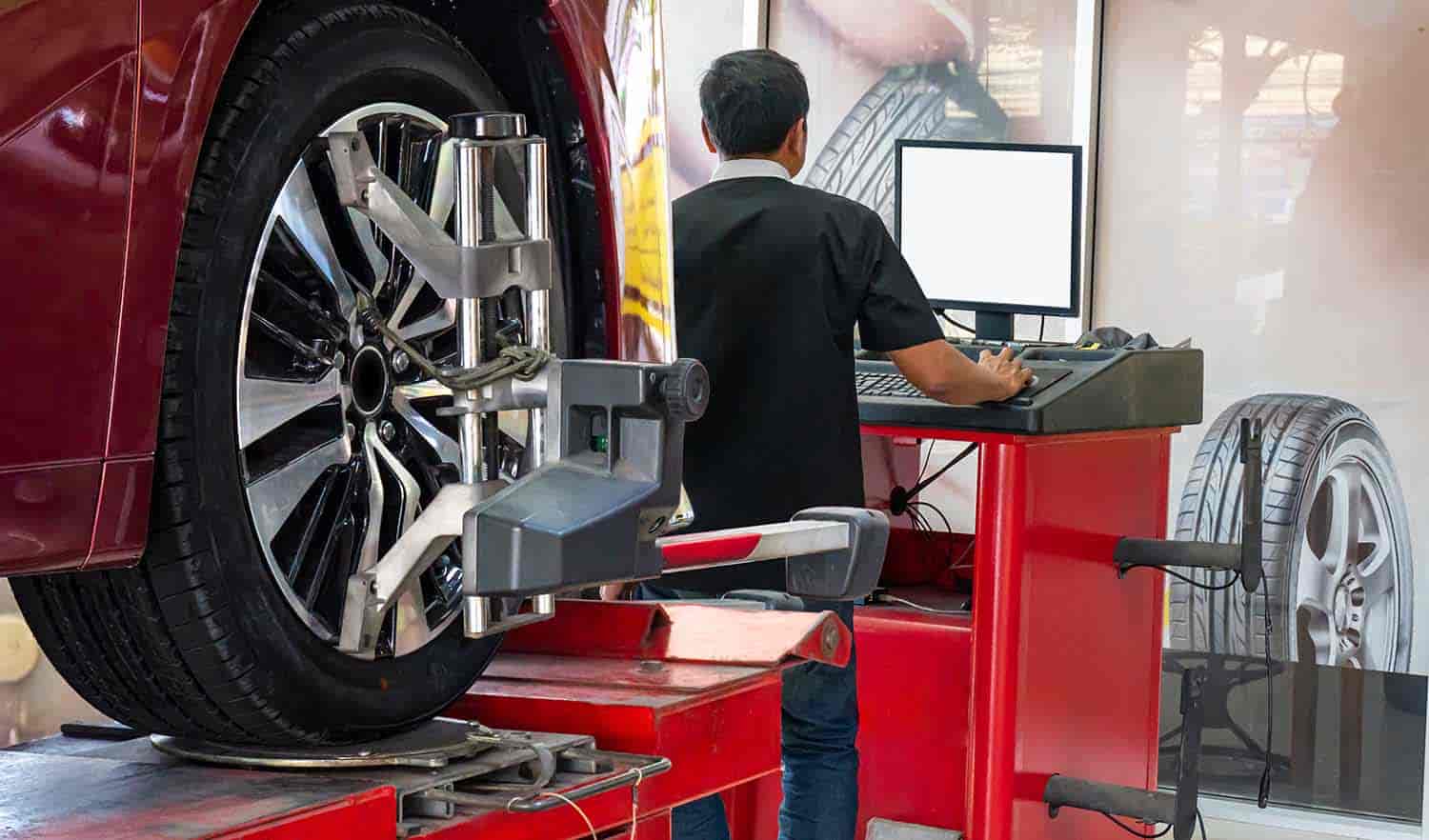
Simple Wheel Alignment Signs Every Driver Should Notice
A car rarely loses its road manners all at once. Most of the time, it starts with small changes you can feel through your hands, hear through the tires, or notice after a normal drive across town. Simple wheel alignment signs matter because they warn you before a minor adjustment turns into damaged tires, poor handling, and extra repair costs. Many U.S. drivers blame rough highways, potholes, or worn tires first, but the real issue may be that the wheels no longer point where the car thinks they should. That mismatch affects how your vehicle tracks, brakes, turns, and wears through rubber. A quick visit to a trusted service shop, or even learning from practical automotive resources like vehicle care insights for everyday drivers, can help you catch the problem early. Alignment is not glamorous. It does not sound exciting at the counter. Still, when it is off, your car tells you in plain ways. You only need to know what those warnings feel like.
Wheel Alignment Signs That Show Up While You Drive
Your first clue often appears before you ever look at the tires. Alignment problems change the way the car behaves on real roads, especially on highways, neighborhood streets with crowned pavement, and parking lots where slow turns make steering flaws easier to feel. The trick is knowing the difference between normal road feedback and a pattern that keeps repeating.
Why does my car keep drifting even when the road looks flat?
A car pulling to one side is one of the easiest warnings to notice, but it is also one of the easiest to explain away. Many roads in the United States slope slightly toward the shoulder so rainwater can drain. That means a light drift on one stretch of pavement may not be a problem at all.
The concern begins when the same pull happens on different roads. If you relax your grip for a moment on a safe, open stretch and the vehicle keeps leaning left or right, the wheels may not be aimed evenly. That small angle difference makes the car fight itself while you drive.
A driver in Phoenix might blame desert heat and rough city pavement. Someone in Pennsylvania might blame winter potholes. Both could be right about the cause, but the result feels the same. Your hands keep making tiny corrections, and the car never settles into a clean straight line.
What does a crooked steering wheel reveal?
A crooked steering wheel can feel harmless because the car may still move straight. You look down and see the wheel sitting slightly off-center, then you tell yourself it has been that way for months. That is the kind of quiet warning drivers ignore until tire damage shows up.
The steering wheel is supposed to return to center when the vehicle travels straight. When it sits tilted, something in the wheel angle or steering geometry is no longer matched correctly. The car may still obey you, but it is doing so with hidden tension in the system.
This warning often appears after a curb hit, a pothole impact, or suspension work that did not finish with an alignment check. The odd part is that the vehicle can feel mostly normal. That is why this sign deserves attention. Not every alignment issue announces itself with drama.
Tire Wear Patterns That Tell the Truth
Driving feel can fool you, but tires are blunt witnesses. They record the miles, the pressure habits, the road surfaces, and the alignment condition in their tread. When wear shows up in strange places, the tire is not being dramatic. It is telling you exactly where the car has been fighting the road.
How does uneven tire wear point to alignment trouble?
Uneven tire wear often appears before a driver feels a major handling issue. One edge may look smoother than the other, or one front tire may wear faster than its partner. That is not normal aging. Tires should wear in a balanced pattern when pressure, rotation, suspension, and alignment are in decent shape.
The edge of the tread gives the strongest clue. Wear on the inside or outside shoulder can mean the wheel angle is off. Feathered tread, where one side of each tread block feels sharper than the other, often points to a toe alignment issue. Run your hand gently across the tread when the car is parked and cool. The tire may feel like a tiny saw blade.
A commuter in Chicago who drives through broken spring roads may see this faster than someone cruising smooth suburban streets in North Carolina. Still, the rule holds. When the tread wears unevenly, the tire is being dragged, pushed, or tilted against the pavement instead of rolling cleanly.
Why can new tires wear out too soon?
Fresh tires can hide an old problem for a short time. The car feels better because the rubber is new, deeper, and quieter. Then a few thousand miles pass, and the same strange wear returns. That is when the real lesson lands: new tires do not fix bad alignment.
Replacing tires without checking the wheel angles is like repainting a wall while the roof still leaks. The damage comes back because the cause remains. Many drivers spend hundreds of dollars on tires, then lose a chunk of that value because the car keeps scrubbing the tread at the wrong angle.
This is why alignment checks make sense after tire replacement, suspension repairs, or a hard impact. The tire store may mention it, and some drivers hear it as an upsell. Sometimes it is. Often, though, it is the cheaper choice. Protecting new tires costs less than buying another set early.
Steering And Ride Clues You Should Not Ignore
Some alignment issues speak through movement rather than wear. The steering may feel restless, the ride may lose its calm, or the front end may seem nervous at speeds where it used to feel steady. These clues matter because they affect control, comfort, and confidence behind the wheel.
When should steering wheel vibration concern you?
Steering wheel vibration does not always mean alignment is the only problem. Tire balance, bent wheels, worn suspension parts, and brake issues can all send shaking through the wheel. Still, alignment can play a role when tire wear becomes uneven enough to disturb the ride.
The key is the pattern. If the vibration grows at highway speed, fades at lower speed, or comes with visible tread wear, the tires and alignment both need attention. A wheel that points poorly can make the tire wear into a shape that no longer rolls smoothly. Then the steering wheel becomes the messenger.
Drivers often wait because the shake starts small. A tremble at 62 mph becomes normal in their mind. Then it grows, and the car feels tiring on every freeway trip. That fatigue is worth respecting. A vehicle should not ask you to wrestle it during a normal drive.
Why does the car feel loose after hitting a pothole?
One hard hit can change more than your mood. A deep pothole, curb strike, or road debris impact can knock alignment out and sometimes damage parts around it. The steering may feel loose, delayed, or less centered than it did before.
The strange thing is that the damage may not look dramatic. The tire may hold air. The wheel may look fine from a distance. Yet the geometry underneath can shift enough to affect how the car tracks. This is common after winter roads break apart across the Midwest and Northeast.
After a hard impact, pay attention on the next few drives. Does the car need more correction? Does the steering wheel sit differently? Does the vehicle feel nervous during lane changes? Those small changes are not personality. Cars do not develop new habits for no reason.
Timing Your Alignment Check Before Repairs Get Expensive
Alignment problems get costly when drivers wait for proof that is impossible to ignore. By then, the tires may be chopped up, the steering may feel poor, and the shop may find worn parts that should have been caught earlier. The smarter move is to treat alignment as routine care after the right triggers.
How often should everyday drivers check alignment?
Most drivers do not need an alignment every month, and honest shops will not pretend they do. A yearly check is sensible for many vehicles, especially if you drive on rough pavement, commute long distances, or live where winter road damage is common. You should also check it after new tires, suspension work, or a hard curb or pothole hit.
Mileage matters, but driving conditions matter more. A low-mileage car that spends time on broken city streets may need attention sooner than a highway car with twice the miles. The road decides more than the odometer sometimes.
There is also a quiet benefit to regular checks. You build a record of how the car behaves. When something changes, you can catch it early instead of guessing after the tires already look rough.
What should you ask the repair shop to inspect?
A good alignment visit should not feel like a mystery. Ask the shop for a printout showing before-and-after measurements. Most modern alignment machines can show camber, caster, and toe readings. You do not need to become a technician, but you should see what changed.
Ask whether worn suspension or steering parts were found before the adjustment. This matters because alignment cannot hold well if loose parts are left in place. A shop that aligns around worn components may send you back onto the road with a temporary fix.
A careful technician will also check tire condition, pressure, and visible damage. That full picture helps separate alignment trouble from tire balance, brake, or suspension issues. The best answer is not always the cheapest answer at first glance, but it should make sense when explained in plain language.
Conclusion
Your car gives fair warning before alignment trouble becomes expensive. The hard part is listening early, especially when the signs feel mild enough to ignore. A slight pull, a tilted wheel, odd tire wear, or a faint shake can all seem like small annoyances during a busy week. They are not small when they keep repeating. Wheel alignment signs deserve attention because they connect directly to tire life, steering control, fuel waste, and daily driving comfort. You do not need to panic over every bump or drift, but you do need to notice patterns. Check the tires. Feel the steering. Remember when the problem started. Then let a qualified shop measure the angles instead of guessing from the driver’s seat. The best repair is the one you catch before it becomes a larger bill. Book an alignment inspection when your car starts arguing with the road, because the road usually wins.
Frequently Asked Questions
What are the most common bad wheel alignment symptoms?
Common symptoms include pulling to one side, a steering wheel that sits off-center, uneven tire wear, tire squealing during turns, and vibration at speed. One sign alone may have another cause, but repeated patterns usually mean the vehicle needs an alignment check.
Can poor alignment damage tires quickly?
Yes, poor alignment can wear tire edges much faster than normal driving. The tire may drag across the road instead of rolling evenly. That extra friction can shorten tire life and make a newer set look old long before it should.
Is it safe to drive with a car pulling to one side?
A mild pull may not create instant danger, but it should not be ignored. Constant correction can reduce control during braking, rain, or emergency maneuvers. Have the vehicle inspected soon, especially if the pull appears on several different roads.
Why is my steering wheel crooked after an alignment?
A crooked steering wheel after service may mean the alignment was not centered correctly, or another steering or suspension issue remains. Return to the shop and ask them to recheck the readings. A properly aligned car should drive straight with the wheel centered.
Do potholes cause alignment problems?
Potholes can knock wheel angles out of spec, especially when the impact is hard or the tire hits the edge sharply. They can also bend wheels or damage suspension parts. Any new pull, shake, or steering change after a pothole deserves inspection.
How much does a wheel alignment usually cost in the USA?
Many basic alignments in the USA fall within a modest repair range, though prices vary by vehicle type, region, and shop. Luxury vehicles, trucks, and cars with advanced driver-assistance systems may cost more because they can need extra calibration or setup.
Should I get alignment before or after new tires?
Most drivers should get alignment at the same time as new tires or right after installation. New tires give the car a clean starting point. If the alignment is off, the fresh tread can begin wearing unevenly within the first few thousand miles.
Can tire pressure feel like an alignment problem?
Yes, low or uneven tire pressure can make a car pull, wander, or feel unstable. Check pressure first because it is quick and cheap. If the issue remains after correcting pressure, alignment, tire condition, and suspension should be inspected.
Related Post

Simple Graphic Design Apps for Beginner Creators
A blank canvas can feel louder than a crowded room when you do not know…