

Simple Staging Ideas for Faster Home Sales
Maine Local Archive >> Real Estate>> Simple Staging Ideas for Faster Home Sales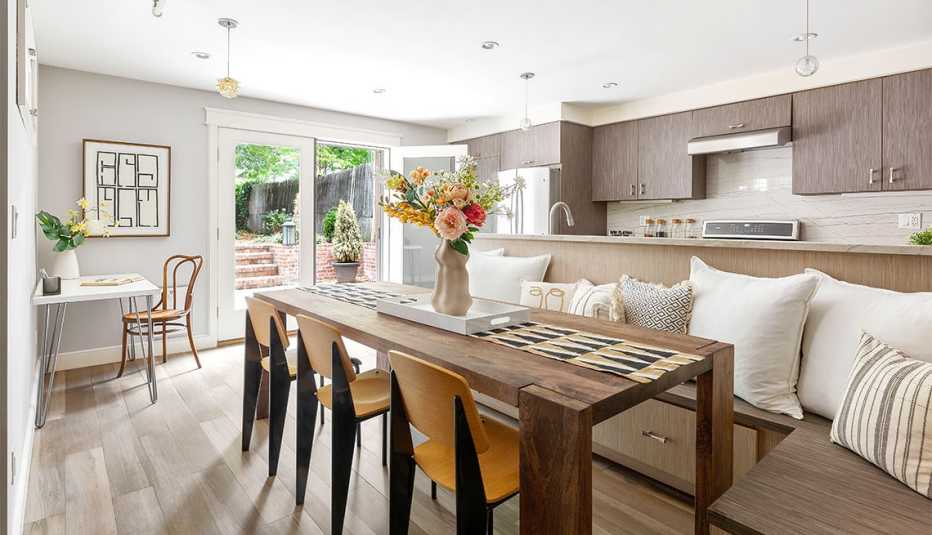
Simple Staging Ideas for Faster Home Sales
A house can be clean, priced fairly, and still sit too long because buyers cannot feel themselves living there. That gap costs sellers more than most repairs ever would. Simple Staging Ideas work because they turn a lived-in property into a buyer-ready space without draining your wallet or making the home feel fake. In many U.S. markets, buyers scroll through dozens of listings before they ever book a showing, so the first impression often happens on a phone screen.
Good staging is not about making a house look expensive. It is about making each room easy to understand, easy to photograph, and easy to remember. A seller in Ohio may not need designer furniture to compete with newer homes nearby, but they do need clear walking paths, better light, and rooms that do not feel like storage zones. For more practical real estate visibility support, sellers can study trusted property marketing resources such as real estate promotion strategies before listing.
The smartest sellers stage with restraint. They remove confusion, soften flaws, and give buyers fewer reasons to pause.
Staging Ideas That Help Buyers Understand the Home Fast
Buyers rarely walk into a home with endless patience. They make quick judgments, then spend the rest of the showing trying to confirm or reject that first feeling. That is why the first layer of staging should focus on clarity before decoration. A clear room tells buyers what the space is, how it works, and why it deserves their attention.
Remove Anything That Makes the Room Work Too Hard
A room loses power when it tries to serve too many purposes at once. A dining room with a treadmill, toy bins, paperwork, and a folding table does not look flexible to buyers. It looks unsettled. You may know the room works for your family, but buyers only see visual noise.
Start by giving every room one job. The dining room becomes a dining room. The guest room becomes a guest room, even if you normally use it for storage. In a small Cape Cod home in Massachusetts, turning a cluttered spare room into a simple office with a desk, chair, lamp, and clean wall can make the house feel more current without a remodel.
This does not mean hiding real life in panic. It means editing the home so buyers do not have to decode it. The less mental work they do, the more space they have to want the house.
Keep the First Walkthrough Calm and Obvious
The path from the front door matters more than sellers think. Buyers form a feeling from the entry, living room, kitchen view, and main hallway before they ask detailed questions. If those areas feel tight or blocked, the house starts from behind.
Clear floor space first. Remove extra chairs, small tables, shoe racks, and anything that narrows movement. A buyer should be able to walk through the main level without turning sideways or stepping around objects. This matters even more in older U.S. homes where hallways and rooms are smaller than new construction.
A counterintuitive move works well here: remove one useful piece of furniture. Sellers often keep every seat because it serves daily life, but one less chair can make a room feel larger in photos and calmer in person. The buyer will not miss the chair. They will notice the space.
Create Buyer-Friendly Rooms Without Making Them Feel Empty
Once the home feels clear, the next job is warmth. Empty rooms can photograph larger, but they often feel cold and hard to judge. The best home staging tips strike a middle line. You want rooms with enough shape to help buyers imagine daily life, but not so much personality that they feel like visitors in someone else’s story.
Use Furniture to Show Scale, Not Status
Furniture should answer one question for the buyer: “Will my life fit here?” A modest sofa, coffee table, and two lamps can do more for a living room than a costly statement piece. Scale matters more than price. Oversized furniture makes rooms feel smaller, while tiny furniture can make a normal room seem awkward.
In a suburban Atlanta listing, a seller may have a large sectional that blocks a window and cuts the living room in half. Replacing it for listing photos may not be realistic. Still, removing one end table, pulling the sectional off the wall, and opening the window view can change the room’s whole mood.
Buyer-friendly rooms do not need showroom perfection. They need proof. A bedroom should show that a queen bed fits. A breakfast nook should show two chairs and breathing room. A home office should show a real work surface, not a vague corner with a laptop balanced on a storage bin.
Leave Enough Personality to Feel Human
The old advice says to remove every personal item. That advice goes too far. A home stripped of all warmth can feel vacant even while furnished. Buyers do not need to see your family photos, trophies, or children’s names on the wall, but they do need some sign that the home supports a pleasant life.
Use neutral texture instead of personal identity. A folded throw, a ceramic bowl, fresh towels, a clean rug, and a simple plant can do the job. These pieces create softness without pulling attention away from the home itself. In a condo in Chicago, that might mean replacing loud wall art with one quiet print and placing a small plant near the window to draw attention to natural light.
The unexpected truth is that overly perfect staging can create suspicion. Buyers may wonder what the polish is hiding. A room that feels clean, cared for, and relaxed often earns more trust than one that looks borrowed from a furniture catalog.
Make Small Fixes That Change How Buyers Feel
Most sellers think staging begins with decor, but emotion often comes from maintenance. A buyer may not say much about a loose handle, dusty vent, or yellowed light switch, yet those tiny signals collect in the back of the mind. They whisper that the home has not been cared for. Small fixes do not only improve appearance. They protect confidence.
Repair the Touch Points Buyers Notice First
Buyers touch doors, cabinets, faucets, stair rails, and light switches during a showing. These areas carry more weight than a decorative centerpiece because they create a physical impression. A sticky door or wobbly knob can make the whole home feel older than it is.
Walk through the property like a buyer, not like the person who already knows its quirks. Open every closet. Turn on every light. Test every faucet. Tighten loose hardware, replace cracked outlet covers, clean fingerprints around switches, and fix doors that scrape. These tasks may feel small, but they create a stronger sense of care.
A seller in Phoenix may not need a full kitchen update to sell your house faster. Fresh cabinet pulls, clean grout, working bulbs, and a polished sink can make the kitchen feel ready instead of tired. Buyers forgive age more easily than neglect.
Use Light to Make the Home Feel Better Maintained
Light changes everything. A dim room can feel smaller, older, and less clean, even after a deep scrub. Good light makes finishes look fresher and helps listing photos carry more energy. This is one of the cheapest ways to improve faster home sales without major work.
Replace burned-out bulbs and keep color temperature consistent in each room. Mixing warm yellow bulbs with bright white bulbs can make photos look uneven. Open blinds fully, clean windows, and trim anything outside that blocks daylight where possible. In homes with limited natural light, add floor or table lamps to dark corners instead of relying on one ceiling fixture.
Here is the part many sellers miss: shadows can make buyers imagine problems. A dark basement corner, dim hallway, or gloomy laundry area may be harmless, but buyers often read darkness as risk. Light removes doubt before it has room to grow.
Style the Listing Photos Before the Showing Begins
The online listing is the first showing. By the time buyers walk through the door, they already have a feeling about the home. Photos decide whether that feeling is curiosity or indifference. Staging for photos is different from staging for daily life, and sellers who understand that have an edge.
Build Each Photo Around One Clear Selling Point
Every listing photo should have a reason to exist. A living room photo may show natural light. A kitchen photo may show counter space. A bedroom photo may show calm scale. Random angles weaken the listing because buyers cannot tell what they are supposed to notice.
Before photos, stand in each doorway and identify the strongest feature. It might be a fireplace, wide window, built-in shelves, updated flooring, or a clean sightline into another room. Arrange the room so the camera sees that feature without clutter competing for attention. A nice sofa should not block the best window. A kitchen island should not be covered with appliances.
Simple Staging Ideas can also help outdoor spaces earn clicks. A small patio with two chairs and a clean table can suggest morning coffee better than an empty slab of concrete. In many U.S. neighborhoods, outdoor living space has become a quiet deal-maker, especially when indoor square footage is limited.
Prepare for Real-Life Showings After the Camera Leaves
Photo staging gets buyers interested, but in-person staging closes the emotional gap. The home should feel the way the photos promised. If buyers arrive and see clutter returned to counters, laundry stacked in the hall, or pet items spread across rooms, trust drops.
Create a showing routine that takes less than 20 minutes. Clear kitchen counters, open blinds, turn on lights, wipe bathroom sinks, empty visible trash, and put pet items out of sight. Keep one basket for last-minute items and take it with you before leaving. This small system saves sellers from panic before every appointment.
The final layer is scent, and it deserves restraint. Heavy candles and plug-ins can make buyers wonder what you are covering. Clean air beats perfume. A freshly aired home with neutral smells feels safer, especially to buyers with allergies, kids, or sensitive noses.
Conclusion
A faster sale usually starts before the buyer says a word. It begins when the home feels easy to read, cared for, and worth remembering. Sellers who understand that do not waste money trying to impress strangers with fancy pieces. They focus on removing friction from the buyer’s mind.
The strongest Simple Staging Ideas are practical because they respect how buyers actually behave. They scan photos, compare options, notice small flaws, and trust homes that feel calm. That does not mean your house has to become bland or empty. It means every room should give buyers a cleaner reason to stay interested.
Before listing, walk through your home with fresh eyes and ask one hard question: what would make a buyer hesitate here? Fix that first. Then clear, light, soften, and photograph with purpose. Your next step is simple: prepare one room today as if the perfect buyer will see it tomorrow.
Frequently Asked Questions
What are the best home staging tips for a quick sale?
Start with decluttering, better lighting, clean surfaces, and clear room purpose. Buyers respond well when each space feels easy to understand. Focus first on the entry, living room, kitchen, primary bedroom, and bathrooms because those areas shape the strongest first impression.
How can I sell your house faster without spending much money?
Use low-cost changes that improve how the home feels. Remove excess furniture, clean windows, replace weak bulbs, tighten handles, freshen towels, and clear counters. These updates cost little but can make the property feel better maintained and easier to imagine living in.
Do buyer-friendly rooms need professional furniture?
Professional furniture helps in vacant or awkward homes, but it is not always needed. Many sellers can create buyer-friendly rooms with existing pieces by removing clutter, improving layout, and adding simple touches like lamps, neutral bedding, clean rugs, and fresh bathroom linens.
Which rooms should I stage first before listing a home?
Start with the living room, kitchen, primary bedroom, bathrooms, and entry area. These spaces appear early in listing photos and often carry the most emotional weight during showings. A polished first impression can make buyers more forgiving of minor flaws elsewhere.
Can home staging tips help older houses compete with newer homes?
Yes, especially when the staging highlights charm, care, and function. Older homes can compete well when rooms feel bright, clean, and easy to use. Buyers may accept dated finishes if the home feels solid, well-kept, and thoughtfully presented from the first photo.
How much clutter should I remove before selling my house?
Remove enough that every room has open surfaces, clear walking paths, and one obvious purpose. Closets should not look packed, counters should not feel crowded, and floors should show space. The goal is not emptiness. The goal is breathing room.
Should I repaint before trying for faster home sales?
Repainting helps when walls are dark, damaged, stained, or highly personal in color. Neutral paint can make rooms photograph better and feel cleaner. You may not need to repaint every room, but fresh paint in key areas often gives buyers fewer reasons to object.
What staging mistakes turn buyers away during showings?
Common mistakes include strong scents, crowded furniture, dirty windows, personal photos everywhere, poor lighting, and rooms with unclear purpose. Buyers also notice small maintenance issues. A loose handle or dim hallway may seem minor, but those details can quietly weaken trust.
Related Post

Simple Rental Property Upgrades for Better Income
A rental can look fine on paper and still quietly lose money every month. Many…