Simple Landscaping Ideas for Better Home Value
Maine Local Archive >> Real Estate>> Simple Landscaping Ideas for Better Home Value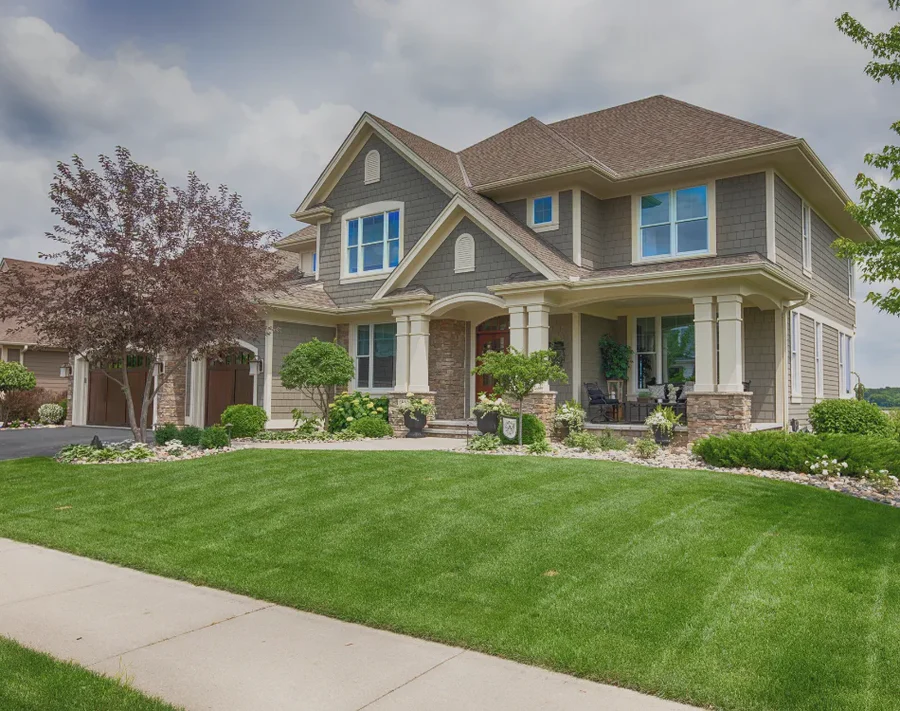
Simple Landscaping Ideas for Better Home Value
A yard can either make a house feel cared for before anyone steps inside, or it can quietly warn buyers that more work is waiting. Simple landscaping ideas matter because most Americans read the outside of a home as a preview of the inside, even when they do not say it out loud. A clean walkway, healthy lawn, trimmed shrubs, and a welcoming entry can shift the whole mood of a showing before the front door opens.
For homeowners watching every dollar, that is good news. You do not need a luxury garden crew or a full backyard redesign to make the property feel stronger. You need choices that photograph well, age well, and make daily life easier. That is the same practical thinking behind many smart home improvement decisions shared through trusted property and lifestyle insights, where value comes from clear choices, not loud upgrades.
The best yards do not scream for attention. They remove doubt. They tell a buyer the home has been maintained, the owner has paid attention, and the space can be enjoyed without taking on a second job every weekend.
Landscaping Ideas That Make the First Look Count
The front of the home carries more weight than most owners admit. Buyers often decide how they feel about a property while walking from the curb to the door, and that short path can either build confidence or create concern. A neat, simple front yard gives the house a sense of order before anyone checks the kitchen, basement, or bedroom layout.
Why Home Curb Appeal Starts Before the Doorbell
Home curb appeal begins at the street, not at the porch. A buyer pulling up in a suburban Dallas neighborhood or a quiet Ohio cul-de-sac notices the lawn edge, driveway cracks, mailbox, porch light, and front beds in one quick scan. That scan shapes the rest of the visit.
Fresh mulch is one of the cheapest upgrades with the fastest visual return. Dark mulch around shrubs and trees makes planting beds look intentional, even when the plants are modest. It also helps control weeds and keeps soil moisture more stable, which matters in hot states like Texas, Georgia, and Arizona.
Small repairs carry equal power. A tilted mailbox, faded house numbers, or dead plant near the steps can make the whole home feel neglected. Fixing those details costs less than a weekend trip, yet the effect can be stronger than adding another decorative feature.
Front Yard Upgrades That Feel Clean, Not Overdone
Front yard upgrades work best when they simplify the view. Many homeowners make the mistake of adding too many colors, pots, borders, and garden ornaments because they want the space to feel lively. Buyers usually want the opposite. They want neat lines, healthy plants, and a clear path to the entrance.
A smart front bed might include evergreen shrubs, one flowering accent, and a clean mulch border. In a New Jersey colonial, that could mean boxwood-style shrubs with seasonal flowers near the walkway. In a Florida ranch home, it might mean native grasses, crotons, or low-water plants that handle heat without drama.
Symmetry can help near the front door, but it should not feel stiff. Two matching planters beside the entry can frame the home and improve listing photos. A curved bed near the walkway can soften a plain facade. The goal is not to impress a garden judge. The goal is to make the house look loved.
Build Low Maintenance Landscaping Buyers Trust
A yard that looks beautiful but seems hard to manage can scare buyers away. This is where restraint becomes an advantage. People want outdoor space, but many do not want to inherit endless pruning, watering, and weekend cleanup. Low maintenance landscaping can make a home feel more livable because it answers a quiet buyer question: “Can I keep this looking good?”
Choose Plants That Fit the Local Weather
Plants should match the region before they match a Pinterest board. A hydrangea that looks charming in coastal Massachusetts may struggle in the wrong part of Nevada. A thirsty lawn in Southern California can become a cost issue fast. The right plant in the right place does more for value than an expensive plant fighting the climate.
The USDA Plant Hardiness Zone Map is a smart starting point because it helps homeowners understand which plants can survive local cold patterns. That matters for long-term curb appeal. A plant that dies after one hard winter turns today’s upgrade into next spring’s cleanup bill.
Native and climate-adapted plants often give the best return because they look natural in the setting. In Colorado, ornamental grasses and drought-tolerant perennials can feel right. In the Pacific Northwest, ferns, compact evergreens, and shade-friendly plants may suit the home better. The yard should look like it belongs where it sits.
Use Mulch, Stone, and Edging to Reduce Weekend Work
Low maintenance landscaping is not only about plants. The materials around the plants matter as much. Mulch, gravel, stone borders, and metal edging can reduce weeds, define beds, and keep the yard from looking messy after a few weeks of growth.
A narrow stone strip along a fence can stop grass from growing into hard-to-mow corners. A clean edge between lawn and planting bed makes even a modest yard look sharper. In many American subdivisions, that line alone separates a cared-for property from one that feels unfinished.
Hard materials also help in dry or high-traffic areas. A side yard that turns muddy after rain can become a gravel path. A patch beneath a large shade tree can become a mulch bed with a bench instead of a weak lawn that never fills in. The counterintuitive truth is simple: less grass can sometimes make a yard feel more valuable, not less.
Turn Outdoor Living Space Into Everyday Use
A yard adds value when buyers can instantly imagine using it. Empty space is not always enough. A plain backyard may be large, but if it has no purpose, buyers may see work instead of comfort. Outdoor living space becomes powerful when it gives the home another practical “room” without the cost of an addition.
Create a Seating Zone That Feels Ready
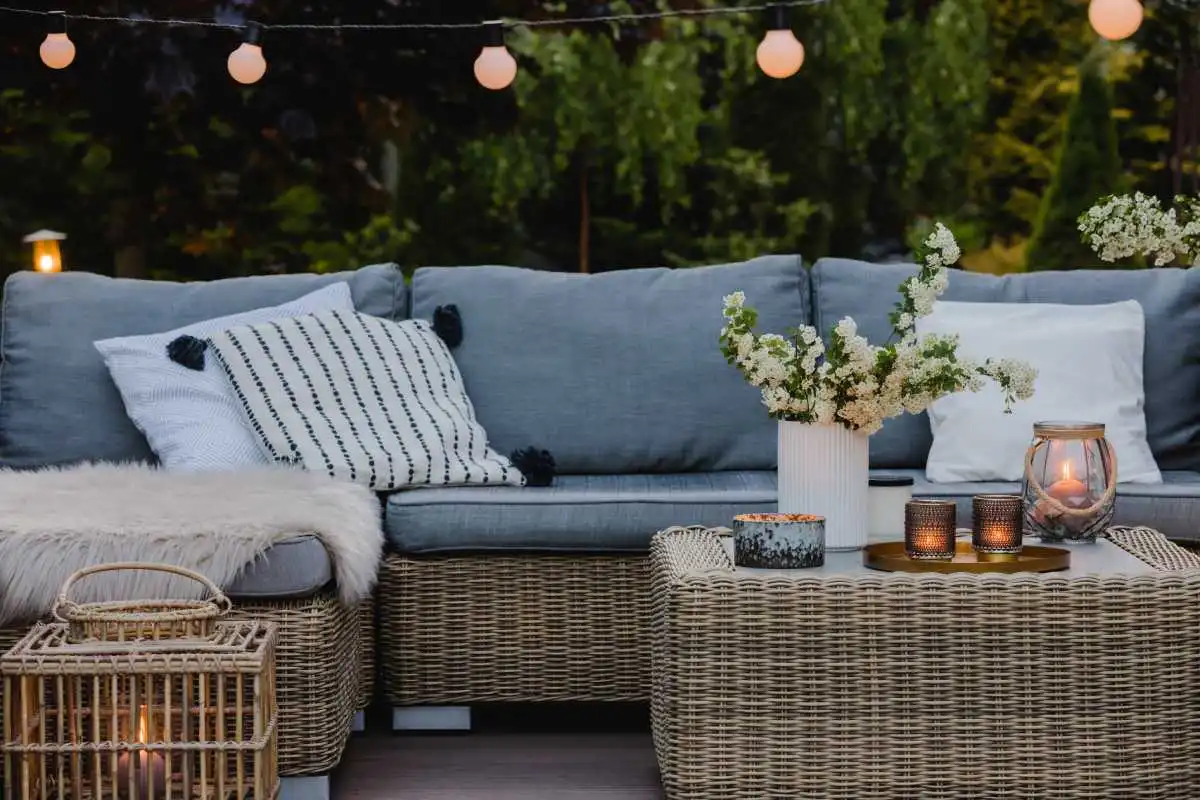
A seating zone does not need a built-in kitchen, fireplace, or custom pergola to work. A level patio area with simple furniture, shade, and a clean border can help buyers imagine coffee before work, dinner outside, or kids playing nearby while adults sit down.
In a Phoenix backyard, shade may matter more than flowers. In a Michigan home, a fire pit area may stretch the outdoor season into crisp fall evenings. In a small Los Angeles lot, a bistro table under string lights can make a tight space feel useful instead of cramped.
Scale matters. Oversized furniture can shrink a small patio and make the yard feel awkward. A better move is to match the setup to the real size of the space. Two chairs, a small table, and a few container plants can say more than a crowded layout trying too hard.
Make Paths and Lighting Feel Safe
Outdoor living space depends on movement. People need to get from the back door to the patio, garage, garden, or gate without stepping through mud or darkness. A simple path can make the whole yard feel more finished because it gives the eye and the feet a clear route.
Pavers, gravel, stepping stones, or poured concrete can all work when installed cleanly. The material matters less than the sense of intention. A narrow path from the driveway to the backyard gate can make a side yard feel usable instead of forgotten.
Lighting adds another layer of value because it improves both mood and safety. Solar path lights, low-voltage fixtures, or a simple porch light upgrade can make evening showings feel warmer. Buyers may not name the lighting as a major feature, but they notice when the yard feels easy to walk through after sunset.
Protect Home Value With Smart Long-Term Choices
The strongest landscaping choices do not only look good on listing day. They protect the property, lower future headaches, and keep maintenance within reason. A beautiful yard that causes drainage problems, blocks windows, or damages walkways can hurt value faster than it helps.
Keep Water Moving Away From the House
Water control is one of the least glamorous parts of landscaping, yet it may be one of the most valuable. A yard that slopes toward the foundation, holds water near the basement, or dumps roof runoff beside the house can make buyers nervous. And they should be nervous.
Simple fixes can make a major difference. Downspout extensions can send water away from the foundation. Shallow swales can guide runoff across the yard. Rain gardens can help in damp areas when they are planned with the right soil and plants.
This is where beauty and function need to shake hands. A decorative bed near the house should never trap water against the siding or foundation. A low spot in the lawn should not be ignored because it looks green after rain. Good landscaping manages water first, then dresses the space around that truth.
Avoid Features That Age Poorly
Some landscape features look exciting when installed and tired two years later. Complicated water fountains, high-maintenance hedges, oversized decks, and trendy plant walls can become liabilities if they demand too much care. Buyers often discount features they think they will need to remove.
A better approach is to choose upgrades that age quietly. Trees placed at the right distance from the house can add shade and character over time. Perennial beds can return each year with less replanting. A simple patio can remain useful through changing trends.
Landscaping Ideas should never create a yard that only looks good for one photo session. The smarter goal is a property that feels easier to own next year than it did this year. That is the kind of value buyers feel in their gut, even before they run the numbers.
Conclusion
A better yard is not about chasing the most expensive project on the block. It is about removing friction from the way people see, enter, and use the home. Buyers respond to order, shade, clean edges, healthy plants, safe paths, and outdoor areas that feel ready for real life.
The smartest Simple Landscaping Ideas for Better Home Value are the ones that respect the house, the climate, and the future owner’s time. A yard should not ask for constant attention before it gives anything back. It should support the home quietly, season after season.
Start with the view from the street, then walk the property like a buyer who has never seen it before. Fix what feels messy, unsafe, thirsty, or overgrown. Then add beauty where it has a clear job. Your next step is simple: choose one visible area this week and make it cleaner, calmer, and easier to love.
Frequently Asked Questions
What simple landscaping improves home value the fastest?
Fresh mulch, trimmed shrubs, clean lawn edges, repaired walkways, and healthy front entry plants usually create the fastest impact. These updates help the home look cared for without requiring a large budget or long installation timeline.
How much should homeowners spend on front yard upgrades?
A modest budget can go far when focused on cleanup, mulch, edging, and plant replacement. Many homeowners get better results from targeted improvements than from a full redesign that adds cost without solving visible problems.
Does low maintenance landscaping help sell a house?
Yes, because buyers often worry about how much time and money the yard will demand. Simple beds, climate-suited plants, and clean hardscape areas can make the property feel easier to own.
What plants are best for increasing curb appeal?
The best plants depend on the local climate, sunlight, and soil. Evergreens, native perennials, ornamental grasses, and compact flowering shrubs often work well because they add structure without constant care.
Is outdoor lighting worth adding before selling?
Outdoor lighting can be worth it when it improves safety, highlights paths, and makes the entry feel welcoming. Simple path lights or upgraded porch fixtures can improve evening appeal without a major project.
Can a small backyard still add home value?
A small backyard can add value when every part has a clear purpose. A seating corner, neat path, privacy plants, or container garden can make limited space feel useful instead of wasted.
What landscaping mistakes can lower home value?
Overgrown shrubs, poor drainage, dead plants, cracked paths, and high-maintenance features can hurt buyer confidence. Anything that suggests repair work or future cost may weaken the home’s first impression.
Should I remove grass for easier landscaping?
Removing some grass can help when the lawn is hard to maintain, shaded, or water-hungry. Replacing weak turf with mulch beds, gravel paths, or native planting areas can make the yard cleaner and easier to manage.
Related Post
Simple Home Repair Tips Before Selling Property
A buyer can forgive an old kitchen faster than a loose handrail. That sounds strange…