Tonsillitis Symptoms – Sore Throat Signs In Children
Maine Local Archive >> Health>> Tonsillitis Symptoms – Sore Throat Signs In Children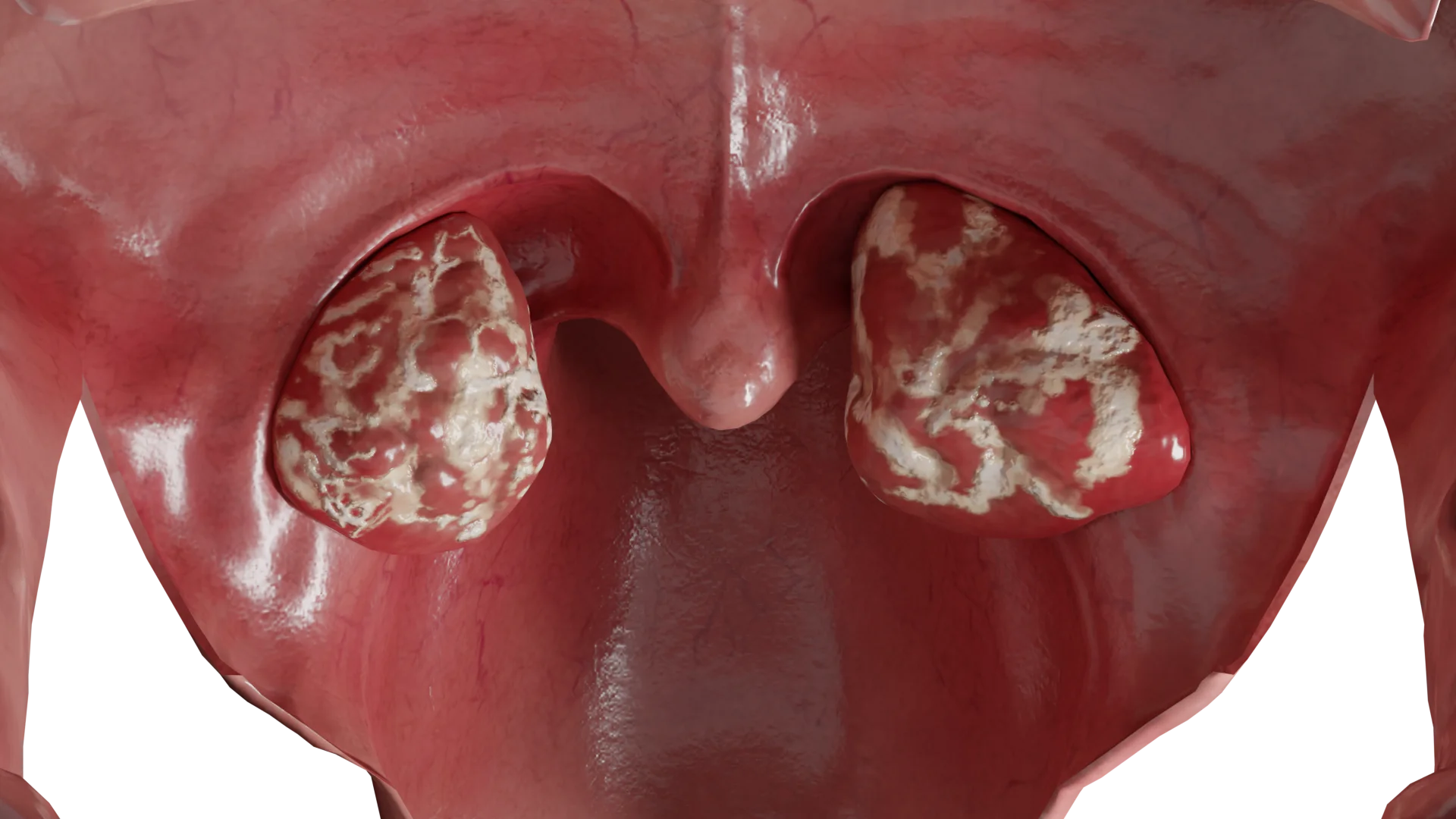
Tonsillitis Symptoms – Sore Throat Signs In Children
Tonsillitis symptoms in children may include a sore throat, fever, painful swallowing, swollen red tonsils, white or yellow patches, tender neck glands, bad breath, and reduced appetite. Viruses cause many cases, but group A strep bacteria can also infect the tonsils. Breathing and hydration matter more than the throat’s appearance alone.
What Does Tonsillitis Look Like in a Child?
A child may complain that swallowing hurts or refuse food because the throat is painful. Younger children who cannot explain the discomfort may become irritable, drool, eat less, or cry during swallowing.
The tonsils can appear red and enlarged, sometimes with spots or a coating. Fever, headache, stomach discomfort, nausea, and swollen lymph nodes in the neck may occur. The NIH overview of tonsillitis identifies sore throat, fever, and swollen tonsils with a yellowish coating as typical signs.
Appearance cannot reliably show whether the cause is viral or bacterial. Testing may be needed when strep throat is suspected.
Is It Viral Tonsillitis or Strep Throat?
Cough, runny nose, hoarseness, and red eyes are more suggestive of a viral infection. Strep throat more often causes sudden throat pain, fever, painful swallowing, inflamed tonsils, and tender lymph nodes without prominent cough.
| Pattern | More suggestive of | Limitation |
| Cough and runny nose | Viral illness | Mixed symptoms occur |
| Sudden sore throat and fever | Possible strep | Testing may be needed |
| Mouth sores | Viral illness | Requires examination |
| Tonsil patches | Either cause | Color doesn’t confirm strep |
Strep throat is most common among school-age children and is uncommon in those younger than three. Still, age doesn’t replace clinical assessment.
Family plans listed in family activity directories should be postponed when a child has fever, significant discomfort, or a potentially contagious throat infection.
When Should a Child Be Tested for Strep?
A clinician may recommend a rapid strep test when symptoms and age make group A strep plausible. A throat culture may sometimes be used when a rapid test is negative, especially in children and adolescents.
Testing matters because antibiotics can treat confirmed strep throat but won’t help viral tonsillitis. Unnecessary antibiotics may cause diarrhea, allergic reactions, and other problems. Confirming the cause prevents treatment based only on how dramatic the tonsils look.
Parents checking local parent resources should still rely on a qualified clinician for testing and treatment decisions.
How Can You Keep a Child Comfortable?
Encourage frequent drinks and offer soft foods that are easy to swallow. Cool liquids, ice pops, soup, and appropriately humidified air may provide temporary comfort. Their limitation is that they don’t treat dehydration, airway swelling, or a bacterial infection requiring medical care.
Use age-appropriate medicines only according to the product label and guidance from a healthcare professional. Never give aspirin to a child or teenager with a viral illness because of the risk of Reye’s syndrome.
A child shouldn’t be pressured to attend activities advertised through community event guides while feverish or unable to eat and drink comfortably.
Common Mistakes Parents Should Avoid
Don’t scrape or squeeze patches on the tonsils. This can cause pain, bleeding, and gagging without identifying the cause. Avoid sharing leftover antibiotics or stopping prescribed antibiotics early unless the prescriber changes the plan.
Another mistake is judging severity solely by fever. A child with little or no fever may still need urgent care if breathing, swallowing, alertness, or hydration is affected.
And don’t force solid food. Fluid intake matters more during the painful stage, although a child who cannot drink needs prompt medical assessment.
Red Flags: When Should You Get Medical Help?
Seek emergency care if a child has difficulty breathing, noisy breathing, bluish coloring, drooling with inability to swallow, severe neck swelling, confusion, extreme sleepiness, or a muffled voice with rapidly increasing throat pain.
Prompt medical advice is also needed for dehydration signs such as very little urine, dry mouth, absent tears, or unusual weakness. Get help when symptoms are severe, repeatedly return, worsen quickly, or fail to improve as expected.
Frequently Asked Questions
Can tonsillitis occur without white spots?
Yes. Inflamed tonsils may be red and swollen without visible patches. White or yellow spots can occur with bacterial or viral infections, so their absence or presence doesn’t confirm the cause.
Why does tonsillitis cause bad breath?
Inflammation, reduced saliva, mouth breathing, mucus, and material collecting around the tonsils can create an unpleasant odor. Persistent bad breath after recovery may have another dental or nasal cause.
Can a child attend school with tonsillitis?
A child should generally stay home when feverish, unable to participate comfortably, or potentially contagious. Follow medical advice and the school’s illness policy, particularly after confirmed strep throat.
Help Your Child Breathe and Drink Comfortably
Focus first on breathing, swallowing, hydration, and alertness rather than the appearance of the tonsils. Arrange testing when strep is suspected, and seek urgent help for drooling, airway difficulty, severe neck swelling, or rapidly worsening symptoms.
This article provides general health information and does not replace evaluation or treatment from a qualified pediatric healthcare professional.
Related Post

Alzheimer’s Symptoms – Memory Loss Stages Explained Clearly
Alzheimer’s symptoms usually develop gradually and affect more than occasional recall. Early changes may involve…