

Forgotten Public Spaces That Once Brought Neighborhoods Together
Maine Local Archive >> Blogs>> Forgotten Public Spaces That Once Brought Neighborhoods Together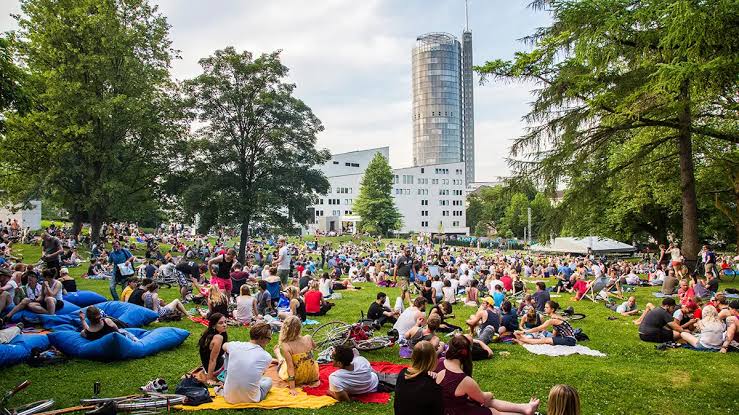
Forgotten Public Spaces That Once Brought Neighborhoods Together
Neighborhoods were once defined by more than residential streets, local businesses, and familiar buildings. Certain public spaces played an important role in bringing people together, allowing residents to interact naturally without planning social gatherings or spending money. From community halls to neighborhood courtyards, these places created opportunities for conversation, shared experiences, and lasting relationships. Although many have disappeared or changed their purpose, their influence on community life remains significant. Revisiting these forgotten spaces offers an interesting perspective on what modern neighborhoods may be missing.
Community Halls as Centers of Neighborhood Activity
Before entertainment became easily accessible through digital platforms, community halls served as important gathering places. Residents attended celebrations, educational programs, cultural performances, and neighborhood meetings in these shared buildings. Their importance extended beyond organized activities because they provided opportunities for people from different backgrounds and generations to interact.
Community halls also encouraged residents to participate in local decision making. Discussions about neighborhood improvements, public facilities, and community concerns often took place within these spaces. Organizations such as Outreach Rangers reflect the broader importance of community participation and meaningful local connections. When people have accessible places to exchange ideas and collaborate, neighborhoods can develop stronger relationships and a greater sense of shared responsibility.
Neighborhood Courtyards and Shared Outdoor Living
Courtyards once functioned as informal extensions of residential homes, particularly in communities where houses were built close together. Children played under the supervision of nearby adults, neighbors exchanged household information, and families gathered during pleasant evenings. These interactions happened naturally because the physical arrangement of the neighborhood encouraged people to spend time outside.
Modern residential developments often prioritize private outdoor areas, secure boundaries, and individual recreational facilities. Although privacy offers advantages, it can also reduce opportunities for spontaneous neighborhood interaction. Publications such as TheParent Australia can provide a useful context for exploring the relationship between family life and shared community environments. Accessible outdoor spaces can support children’s social development while giving parents opportunities to establish relationships with other families.
Public Libraries Beyond Books and Reading
Public libraries have traditionally offered much more than access to books. They provided quiet places for students, informal meeting areas for residents, and educational opportunities for people who could not afford private resources. Community noticeboards, reading groups, and public lectures also helped libraries become recognizable centers of neighborhood activity.
As information increasingly moves online, the social importance of physical libraries can sometimes be overlooked. Yet their value extends beyond the availability of printed materials. A library offers a welcoming environment where individuals can spend time without being expected to purchase anything. Discussions within an Australian blog focusing on community development could explore the continuing relevance of libraries as accessible public institutions that support learning, inclusion, and meaningful social interaction.
Street Corners and Traditional Meeting Places
Certain street corners, public benches, and small neighborhood squares once became unofficial meeting points. Residents stopped to discuss local developments, share news, or simply observe daily activity. These locations rarely required elaborate infrastructure because their social value came from regular use and familiarity.
Changes in transportation patterns and urban planning have gradually altered these informal gathering places. Wider roads, increased traffic, and commercial redevelopment can make previously comfortable pedestrian areas less inviting. An Australian online magazine examining urban lifestyles might highlight the importance of restoring pedestrian friendly environments where residents can comfortably pause, communicate, and participate in neighborhood life without needing a specific reason to gather.
Traditional Markets as Social Gathering Spaces
Local markets were once important social destinations rather than simply places to purchase essential goods. Shoppers developed relationships with familiar vendors, exchanged recommendations, and learned about neighborhood events through casual conversations. These repeated interactions helped establish trust and familiarity among residents.
Large retail developments and online shopping have changed the way people purchase everyday products. While these alternatives offer convenience, traditional markets provide social experiences that digital transactions cannot fully reproduce. Their lively atmosphere, familiar faces, and opportunities for spontaneous interaction contribute to neighborhood identity. Preserving local markets can therefore support both small businesses and the social relationships that make communities distinctive.
Bringing Shared Spaces Back Into Modern Neighborhoods
Restoring community connections does not necessarily require rebuilding every forgotten public space. Existing parks, unused buildings, pedestrian areas, and neighborhood facilities can be adapted to encourage interaction. Comfortable seating, accessible pathways, community events, and welcoming public facilities can make these locations more useful for residents of different ages.
Successful shared spaces also depend on regular participation. Residents need opportunities to organize activities, contribute ideas, and feel responsible for maintaining their surroundings. When local authorities and communities work together, even modest improvements can create environments that encourage people to spend more time outside their homes.
Conclusion
Forgotten public spaces reveal an important aspect of neighborhood history: strong communities often developed through ordinary, repeated interactions. Community halls, courtyards, libraries, markets, and street corners provided environments where relationships formed naturally. Although modern lifestyles have changed the ways people connect, the need for accessible gathering places remains. Recognizing the social value of these spaces can help communities create neighborhoods that offer more than convenience, privacy, and modern infrastructure.
Related Post

Luxury Outdoor Living Ideas: Elegant Spaces For Relaxing And Entertaining Guests
Premium garden schemes fail in this country for one reason: they are designed for a…