Liver Cirrhosis Symptoms – Late Stage Warning Signs Explained
Maine Local Archive >> Health>> Liver Cirrhosis Symptoms – Late Stage Warning Signs Explained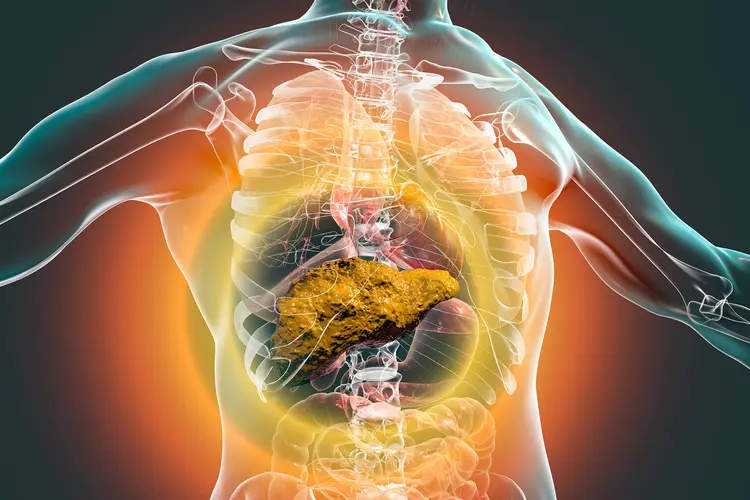
Liver Cirrhosis Symptoms – Late Stage Warning Signs Explained
Liver cirrhosis symptoms may remain mild until extensive scarring interferes with liver function and blood flow. Early problems can include tiredness, itching, reduced appetite, nausea, weight loss, and upper-right abdominal discomfort. Later warning signs include jaundice, abdominal swelling, leg swelling, easy bleeding, confusion, and vomiting blood.
Late-stage symptoms require medical care because complications can become life-threatening.
What Happens When Cirrhosis Develops?
Cirrhosis is permanent scarring that replaces healthy liver tissue and prevents the liver from working normally. It can develop after years of injury from several different liver conditions, not only alcohol use.
The NIDDK cirrhosis overview explains that worsening scarring can eventually lead to liver failure.
A person can have compensated cirrhosis while the liver still performs many essential jobs. Decompensated cirrhosis refers to the appearance of major complications such as fluid accumulation, bleeding, jaundice, or altered mental function.
| Stage or problem | Possible signs | Why it matters |
| Early disease | Fatigue and itching | Easy to overlook |
| Fluid buildup | Swollen abdomen or legs | May indicate decompensation |
| Reduced processing | Jaundice or confusion | Liver function is impaired |
| Portal hypertension | Vomiting blood | Medical emergency |
Which Early Symptoms Are Easily Missed?
Early symptoms may include weakness, poor appetite, unintended weight loss, nausea, vomiting, muscle loss, cramps, itching, or mild pain over the upper-right abdomen.
None of these symptoms is unique to cirrhosis. That makes laboratory testing, imaging, history, and sometimes specialist assessment more informative than a symptom checklist.
Practical chronic illness planning may help someone record weight changes, swelling, sleep patterns, and medication effects before appointments.
What Are the Major Late-Stage Warning Signs?
Jaundice causes yellowing of the skin or whites of the eyes. Ascites produces fluid accumulation in the abdomen, which may cause rapid enlargement, pressure, reduced appetite, or breathlessness. Edema causes swelling in the legs and ankles.
Easy bruising, prolonged bleeding, dark urine, pale stools, severe itching, and muscle wasting may occur. Hepatic encephalopathy can cause sleep reversal, poor concentration, personality changes, confusion, or reduced alertness.
Good liver health education can make these terms less frightening, but a new symptom in someone with cirrhosis should be discussed with their care team rather than interpreted alone.
Where People Misread Cirrhosis Symptoms
A swollen abdomen may be blamed on weight gain or digestive bloating. Ascites, however, can enlarge the abdomen even while arms and legs lose muscle.
Confusion may be mistaken for stress, aging, intoxication, or lack of sleep. In a person with liver disease, sudden mental changes can indicate hepatic encephalopathy or another emergency.
Another mistake is assuming cirrhosis always results from drinking. Viral hepatitis, metabolic liver disease, autoimmune disease, inherited conditions, and bile duct disorders can all cause chronic liver injury.
How Is Worsening Cirrhosis Monitored?
Medical teams may follow blood tests, kidney function, sodium, imaging, weight, abdominal fluid, mental status, and signs of internal bleeding. Monitoring may also include screening for liver cancer and enlarged veins that can bleed.
Management depends on the cause and complications. Avoiding alcohol may be advised, but dietary, medication, and fluid recommendations need personalization. Some common medicines and herbal supplements can be harmful in advanced liver disease.
Structured symptom monitoring routines are helpful only when paired with the treatment and follow-up plan established by the liver care team.
Red Flags: When to Get Medical Help
Call emergency services for vomiting blood, black tar-like stools, severe confusion, unusual sleepiness, collapse, breathing difficulty, or uncontrolled bleeding. These can indicate internal bleeding, encephalopathy, infection, or organ failure.
Urgent assessment is also needed for new fever, increasing abdominal pain, rapidly expanding abdominal swelling, reduced urine, worsening jaundice, or sudden weakness. A person with ascites can develop a dangerous abdominal infection without dramatic early symptoms.
Frequently Asked Questions
Can cirrhosis exist without obvious symptoms?
Yes. Compensated cirrhosis may cause few noticeable problems, and it may first be identified through testing or imaging.
Does jaundice always mean cirrhosis?
No. Jaundice has several possible causes, but it always deserves prompt medical evaluation.
Can cirrhosis-related confusion come and go?
Yes. Hepatic encephalopathy may fluctuate, but any new confusion or reduced alertness should be treated seriously.
Report New Changes to the Liver Care Team
Anyone diagnosed with cirrhosis should know which changes require a same-day call and which require emergency care. Keep the care team’s contact details accessible, follow prescribed monitoring, and report new swelling, bleeding, jaundice, fever, or mental changes promptly.
This article provides general education and is not a diagnosis or a substitute for professional medical care.
Related Post

Mumps Symptoms: Swollen Glands, Puffy Cheeks, and Jaw Pain
Mumps symptoms often begin with fever, headache, tiredness, muscle aches, and reduced appetite. Tender swelling…