

Acne Symptoms: Breakout Types, Warning Signs, and Hidden Causes
Maine Local Archive >> Health>> Acne Symptoms: Breakout Types, Warning Signs, and Hidden Causes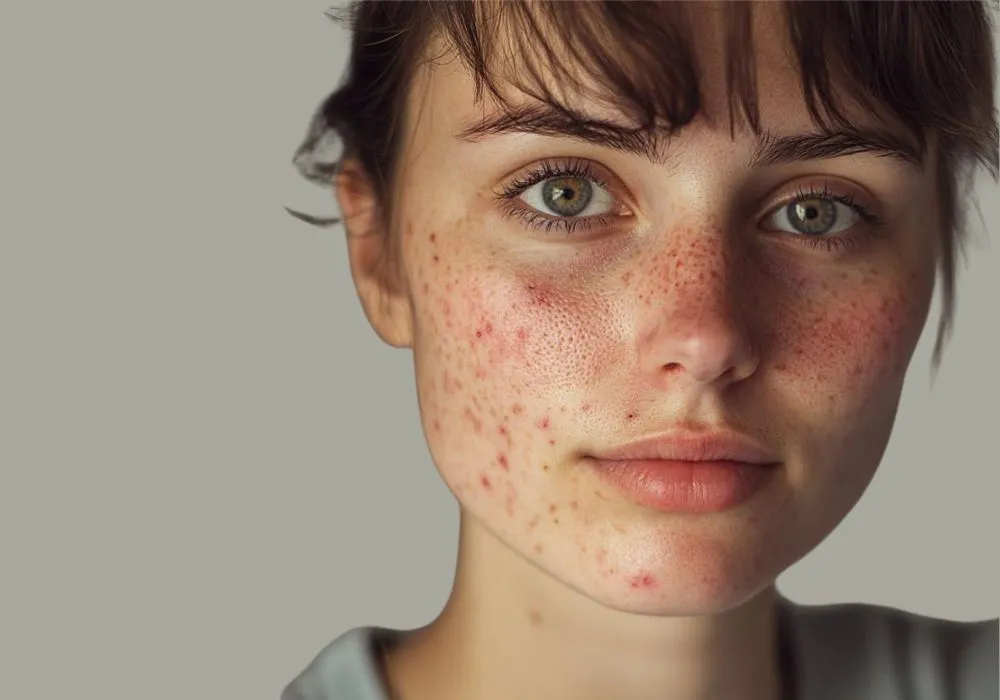
Acne Symptoms: Breakout Types, Warning Signs, and Hidden Causes
Acne symptoms include clogged pores, whiteheads, blackheads, inflamed red bumps, pus-filled pimples, and deeper painful nodules or cysts. Breakouts may develop on the face, neck, chest, shoulders, back, upper arms, or buttocks. The type of blemish often reflects what is happening inside the blocked pore.
Acne isn’t a sign that someone is dirty. Aggressive washing can irritate the skin and make a manageable problem harder to treat.
Which Types of Acne Breakouts Are Most Common?
Whiteheads are closed clogged pores, while blackheads remain open at the surface. The dark color of a blackhead is not trapped dirt. Inflamed papules are firm red or discolored bumps, and pustules contain visible fluid or pus.
Nodules and cysts develop deeper in the skin. They can feel sore for days or weeks and have a greater risk of leaving scars. Trying to force out a deep blemish usually increases inflammation rather than emptying it safely.
| Breakout type | Typical appearance | Scarring concern |
| Whitehead | Closed pale bump | Usually lower |
| Blackhead | Open dark pore | Usually lower |
| Papule or pustule | Inflamed raised spot | Moderate if picked |
| Nodule or cyst | Deep painful lump | Higher |
A breakout research folder can organize general reading, but avoid choosing treatments solely by matching your skin to online photographs.
What Causes Pores to Become Clogged?
Acne develops when pores become blocked. Oil, dead skin cells, bacteria, inflammation, and hormonal activity may all contribute. Hormonal changes can help explain breakouts during puberty, menstrual cycles, pregnancy, or other life stages, although location alone cannot prove a hormonal cause.
Hair products, cosmetics, helmets, tight clothing, masks, workplace oils, and repeated friction can worsen breakouts in some people. Certain medicines may also contribute. Don’t stop a prescription without consulting the prescriber.
Food may influence acne for some individuals, but one breakout after a meal doesn’t establish cause and effect. Severe elimination diets have limitations and may create more harm than benefit.
How Can You Tell Acne From Look-Alike Conditions?
Rosacea can cause acne-like bumps, but it often includes flushing, persistent facial color, visible blood vessels, burning, or eye irritation. Folliculitis commonly produces bumps centered around hair follicles. Keratosis pilaris creates rough bumps, often on dry upper arms or thighs.
Perioral dermatitis may cluster around the mouth or nose, while ingrown hairs can appear after shaving. The treatment for one condition may irritate another, which is why persistent “acne” that never responds deserves reassessment.
An acne progress diary can track location, menstrual timing, shaving, hair products, exercise gear, and new medicines. Its limitation is that acne changes slowly, so conclusions drawn from two or three days are unreliable.
Which Daily Habits Can Quietly Worsen Breakouts?
Washing repeatedly, scrubbing with rough tools, and using several drying products at once can damage the skin barrier. Irritated skin may sting, peel, and become harder to treat. The AAD warns that some common skin-care habits can worsen acne despite good intentions.
Picking, squeezing, or scratching pushes inflammation deeper and raises the risk of discoloration and scarring. Deep painful acne is especially vulnerable to permanent textural change.
Keep a routine comparison file when changing products. Add one new item at a time when practical; the limitation is that even a suitable acne treatment may need consistent use before improvement becomes clear.
When Is Home Treatment Reasonable?
Mild blackheads, whiteheads, and small pimples may respond to nonprescription acne products and gentle skin care. Choose products labeled non-comedogenic or unlikely to clog pores, although no label guarantees that every person will tolerate the formula.
Follow the product directions rather than applying extra amounts. More medicine often means more dryness, not faster clearing. Protect irritated skin from excessive sun exposure and avoid combining several strong active ingredients without guidance.
A dermatologist can provide a plan for persistent acne, deep nodules, scarring, widespread body acne, or treatment-related irritation. Prescription options have limitations and possible side effects, so the best choice depends on medical history, pregnancy potential, other medicines, and acne type.
Mistakes That Turn a Breakout Into a Longer Problem
The biggest mistake is treating acne only when a new pimple appears. Acne begins before the blemish is visible, so many treatments are designed for the full acne-prone area rather than one spot.
Another mistake is expecting overnight results and abandoning a plan after several applications. Constant switching can produce irritation without giving any approach a fair chance.
Social media remedies are another trap. Toothpaste, undiluted acids, essential oils, and abrasive scrubs can burn or inflame the skin. A dramatic tingling sensation is not proof that a product is working.
Red Flags: When to Get Medical Help
Arrange a dermatology appointment for deep painful nodules, rapidly worsening acne, persistent scarring, widespread breakouts, or dark marks that significantly affect confidence and quality of life. Early treatment may reduce the chance of lasting scars.
Seek prompt care for severe swelling, blistering, facial edema, trouble breathing, or a widespread rash after applying or taking a treatment. Contact a healthcare professional when acne appears suddenly with other major symptoms, such as unexpected hair growth, menstrual changes, or medication-related problems. Emergency support is needed when skin distress is linked to self-harm thoughts.
Frequently Asked Questions
Is a blackhead filled with dirt?
No. A blackhead is an open clogged pore. Its dark surface develops through exposure to air rather than poor hygiene or trapped external dirt.
Does popping pimples make acne clear faster?
Usually not. Squeezing can increase inflammation, infection risk, discoloration, and scarring. Deep or painful blemishes should be treated rather than forcibly emptied.
Can acne continue after the teenage years?
Yes. Adults can develop persistent or new acne. Hormonal changes, products, friction, medicines, and individual skin biology may contribute.
Treat the Breakout Type, Not the Latest Trend
Identify whether you mainly have clogged pores, inflamed pimples, or deep painful lesions. Simplify your routine, stop picking, and document products or exposures that may matter. When scarring or nodules appear, early professional care is a better investment than another harsh viral remedy.
Consult the AAD guide to acne signs and symptoms for more detail.
This article provides general education and is not a diagnosis or personalized medical advice.
Related Post

Natural Immunity Support Ideas for Seasonal Strength
Cold mornings, crowded stores, dry indoor air, and rushed schedules can make your body feel…