
Mumps Symptoms: Swollen Glands, Puffy Cheeks, and Jaw Pain
Maine Local Archive >> Health>> Mumps Symptoms: Swollen Glands, Puffy Cheeks, and Jaw Pain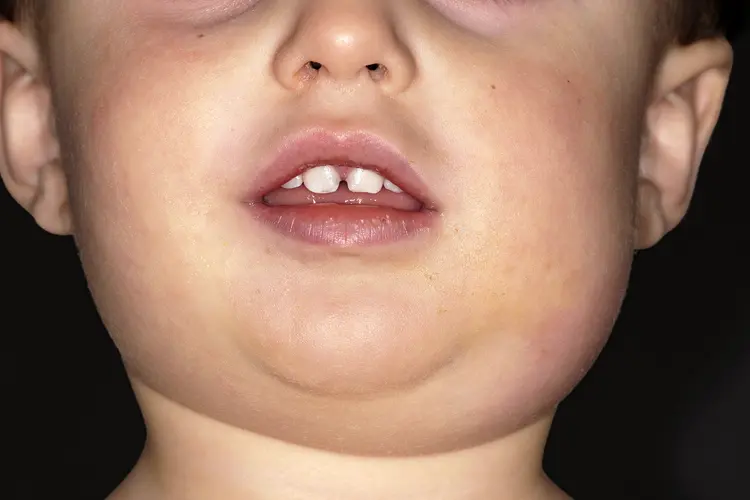
Mumps Symptoms: Swollen Glands, Puffy Cheeks, and Jaw Pain
Mumps symptoms often begin with fever, headache, tiredness, muscle aches, and reduced appetite. Tender swelling then develops around one or both parotid salivary glands below the ears, creating puffy cheeks and jaw pain. Symptoms can be mild or absent, so suspected exposure should be taken seriously even without dramatic swelling.
What Are the Early Symptoms of Mumps?
Early symptoms can resemble influenza or another respiratory infection. Fever, headache, muscle discomfort, tiredness, and poor appetite may develop several days before salivary-gland swelling.
The CDC’s mumps symptom guidance states that symptoms generally appear two to four weeks after infection. Most symptomatic people recover within about two weeks, although complications can extend the illness.
Some infected people have mild cold-like symptoms, while others have no noticeable illness. Lack of swollen cheeks therefore doesn’t completely rule out infection after a confirmed exposure.
What Does Mumps Swelling Feel Like?
Parotitis is swelling of the parotid glands located in front of and below the ears. It may affect one side first and involve the other side later. The jawline can look blurred, the cheek may appear fuller, and the area may feel tender.
| Feature | Common mumps pattern | What else may occur |
| Location | Below or in front of ear | One or both sides |
| Sensation | Tenderness and jaw pain | Ear-area pressure |
| Eating | Pain with chewing | Reduced appetite |
| General illness | Fever and tiredness | Headache or muscle aches |
Soft foods, regular fluids, and quiet meal routines may reduce discomfort. However, swelling around the jaw can have other causes, including dental infection, blocked salivary ducts, bacterial parotitis, and enlarged lymph nodes.
How Does the Jaw Pain Progress?
Pain may become more noticeable while chewing, swallowing, talking, or eating acidic foods that stimulate saliva. The ear itself can feel sore even though the main inflammation is in the salivary gland.
Record which side swelled first, when fever began, and whether pain is worsening. A simple swelling timeline can help distinguish a changing viral illness from a sudden dental or salivary-gland problem.
Don’t press or massage severe swelling aggressively. And don’t assume that antibiotics are needed; mumps is viral, while bacterial salivary-gland infections require a different assessment.
How Can Mumps Spread Through a Household?
Mumps spreads through saliva and respiratory droplets. Coughing, sneezing, talking closely, kissing, sharing drink containers, and using items contaminated with saliva can transmit the virus. A person may spread mumps shortly before swelling begins and for several days afterward.
Stay home and limit close contact after suspected mumps while seeking instructions from a healthcare provider. Don’t share cups, utensils, towels, lip products, or toothbrush storage areas.
Organized household prevention planning may make isolation easier, but vaccination status and exposure decisions should be reviewed with a clinician or local public-health service.
What Complications Can Mumps Cause?
Most cases are mild, yet inflammation can involve organs beyond the salivary glands. Reported complications include orchitis, oophoritis, mastitis, pancreatitis, meningitis, encephalitis, and temporary or permanent hearing loss. Some complications are more common in adults.
Testicular pain or swelling requires prompt medical attention. Severe abdominal pain may suggest pancreatic or ovarian involvement. Neurological symptoms such as confusion, neck stiffness, seizures, or marked drowsiness are emergency warning signs.
The biggest mistake is treating mumps as nothing more than swollen cheeks. Another is entering a crowded clinic without warning staff about the suspected infection.
Red Flags and When to Get Help
Seek urgent medical care for difficulty breathing or swallowing, severe dehydration, confusion, seizures, stiff neck, intense headache, weakness, hearing changes, severe abdominal pain, or testicular pain and swelling. Contact a healthcare provider promptly when jaw swelling follows a known exposure or occurs with fever. Call before arriving so the facility can reduce exposure to other patients.
Frequently Asked Questions
Can mumps affect only one side of the face?
Yes. One parotid gland may swell first, and the other may remain unaffected or enlarge later. One-sided swelling can also have dental or bacterial causes.
Can vaccinated people still get mumps?
Yes, although vaccinated people who become infected often have milder symptoms and fewer complications. Outbreak guidance may vary according to individual circumstances.
Is every swollen jaw caused by mumps?
No. Dental abscesses, salivary stones, bacterial infections, and swollen lymph nodes can produce similar changes. Clinical examination and testing may be needed.
Isolate First and Arrange an Assessment
Stay away from school, work, shared meals, and close-contact activities when fever and parotid swelling suggest mumps. Write down the symptom timeline, check vaccination records, and call a healthcare provider before visiting. Early reporting supports safer testing and reduces exposure within the community.
This information is educational and isn’t a substitute for diagnosis or personalized medical care.
Related Post
Alzheimer’s Symptoms – Memory Loss Stages Explained Clearly
Alzheimer’s symptoms usually develop gradually and affect more than occasional recall. Early changes may involve…