High Cholesterol Symptoms – Silent Signs In Your Body
Maine Local Archive >> Health>> High Cholesterol Symptoms – Silent Signs In Your Body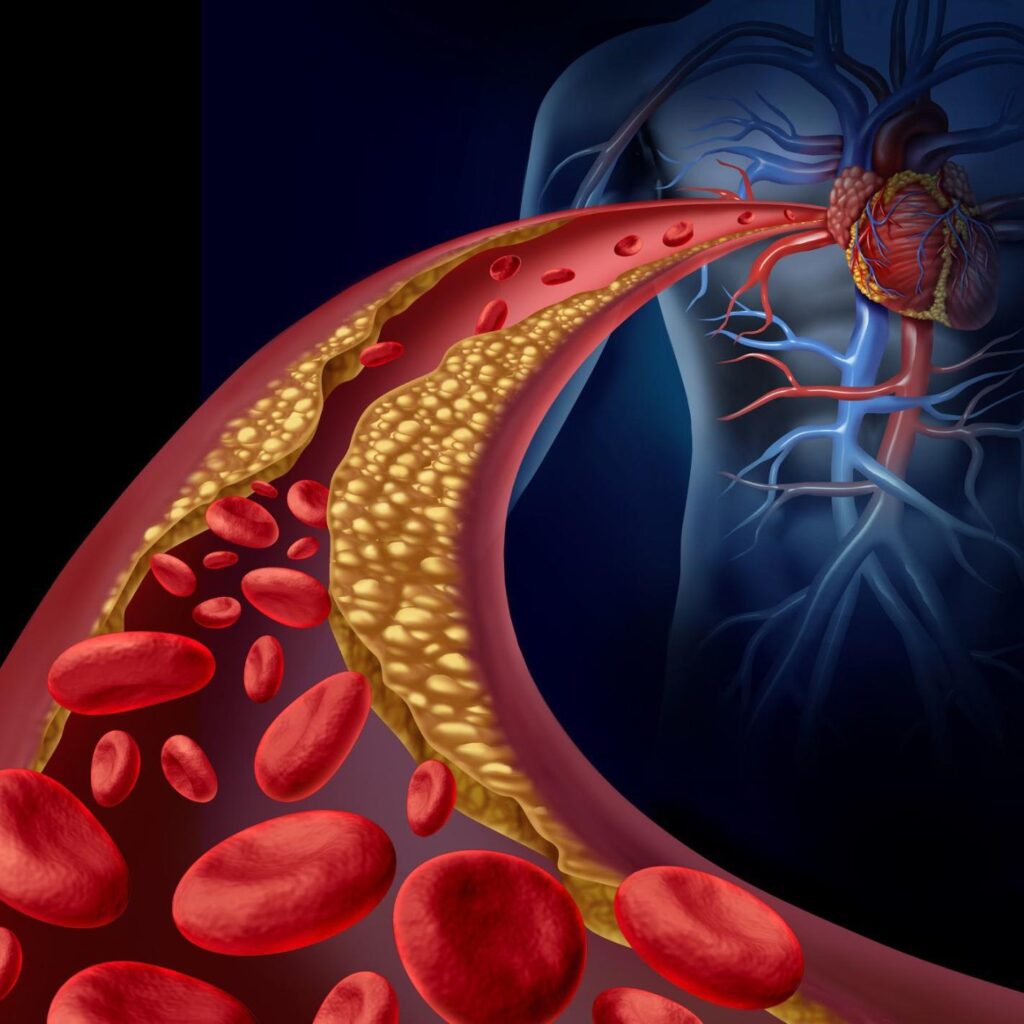
High Cholesterol Symptoms – Silent Signs In Your Body
High cholesterol symptoms usually don’t exist. You generally cannot feel LDL cholesterol rising or plaque gradually forming inside arteries. A blood test is the dependable way to learn your cholesterol levels. Waiting for chest pain, leg discomfort, or stroke symptoms means waiting for a possible complication rather than identifying the risk itself.
Are There Any Noticeable High Cholesterol Symptoms?
For most people, no outward sign reveals high cholesterol. It doesn’t reliably cause headaches, dizziness, tiredness, sweating, neck pain, or a particular sensation in the chest.
That silence allows high levels to continue for years without being recognized. Over time, unhealthy cholesterol can contribute to plaque formation and cardiovascular disease, but the person still may not feel the cholesterol itself.
Regular preventive health notes can include the date and result of each lipid test, especially when you receive care from more than one clinic. The note is useful for tracking; it doesn’t replace professional interpretation.
The CDC’s cholesterol testing guidance states that a lipid profile is needed because high cholesterol usually causes no symptoms.
Rarely, people with severe inherited cholesterol disorders may develop fatty deposits around tendons, joints, or the eyes. These findings aren’t a general screening method, and their absence doesn’t mean cholesterol levels are healthy.
Why Is High Cholesterol Called a Silent Risk?
Cholesterol is necessary for normal body functions, but different particles carry it through the blood. LDL is commonly associated with plaque buildup, while HDL helps transport cholesterol away from tissues. Triglycerides are another blood fat considered during cardiovascular risk assessment.
Risk isn’t determined by one number alone. Clinicians may consider age, blood pressure, smoking, diabetes, family history, kidney disease, previous cardiovascular events, and other factors.
Routine screening reminders are more useful than symptom watching because a person can look and feel healthy while having an unhealthy lipid profile. CDC guidance says most healthy adults should generally be tested every four to six years, while people with heart disease, diabetes, or a relevant family history may need more frequent checks.
Testing may begin earlier when familial hypercholesterolemia or another inherited condition is suspected.
What Does a Cholesterol Test Measure?
A lipid panel usually reports total cholesterol, LDL cholesterol, HDL cholesterol, and triglycerides. Some reports provide additional calculations or particle measurements depending on the clinical situation.
| Measurement | Basic Meaning | Why Context Matters |
| LDL cholesterol | Carries cholesterol into tissues | Desired level depends on overall risk |
| HDL cholesterol | Helps transport cholesterol away | A higher result doesn’t erase every risk |
| Triglycerides | A circulating form of fat | Meals, alcohol, illness and metabolism affect it |
| Total cholesterol | Combined summary measurement | Can hide differences among components |
One result shouldn’t be interpreted without knowing whether the test required fasting, whether the person was ill, and what other medical conditions or medications apply.
Keep previous laboratory reports near other heart health conversations so your clinician can identify trends. A trend may be more informative than comparing one result with a generic chart online.
Where Cholesterol Advice Goes Wrong
The most dangerous mistake is waiting for “silent signs” to appear. There may be none. Another mistake is treating HDL as a shield that cancels a high LDL result or other cardiovascular risks.
People also assume thin, active, or young individuals cannot have high cholesterol. Genetics can influence cholesterol regardless of visible body size. Diet matters, but it isn’t the only factor.
Home cholesterol tests have limitations involving sample collection, accuracy, and interpretation. Even an accurate number must be considered alongside the person’s wider health profile. Don’t start, stop, or change medication based only on an unsupervised reading.
Red Flags: When Symptoms Mean an Emergency
High cholesterol itself usually doesn’t create an immediate sensation. The emergency signs are symptoms of complications such as a heart attack or stroke.
Call emergency services for chest pressure, spreading upper-body discomfort, sudden breathlessness, cold sweating, fainting, facial droop, one-sided weakness, speech difficulty, sudden vision loss, or abrupt loss of balance. Don’t wait for a cholesterol appointment when these symptoms occur.
New leg pain during walking, wounds that heal poorly, or major changes in circulation also deserve medical evaluation, though they have several possible causes.
Frequently Asked Questions
Can high cholesterol cause headaches or dizziness?
High cholesterol usually doesn’t directly produce either symptom. Headaches and dizziness have many possible causes and should be assessed based on their own pattern and severity.
Can someone eat well and still have high cholesterol?
Yes. Genetics, age, medical conditions, medications, and metabolism can affect cholesterol. A healthy diet remains useful but doesn’t guarantee a normal lipid result.
Does high cholesterol always require medication?
No single treatment fits everyone. Decisions depend on the lipid results, cardiovascular history, calculated risk, other conditions, age, and response to lifestyle measures.
Replace Symptom Hunting With Testing
Ask your healthcare team when your next lipid panel is due and how your complete cardiovascular risk should be assessed. Don’t wait for your body to “warn” you. High cholesterol is often found through planned screening, not through a recognizable physical symptom.
This article provides general education and does not replace assessment by a qualified healthcare professional.
Related Post

Natural Immunity Support Ideas for Seasonal Strength
Cold mornings, crowded stores, dry indoor air, and rushed schedules can make your body feel…