

Glaucoma Symptoms: Silent Vision Loss and Emergency Warning Signs
Maine Local Archive >> Health>> Glaucoma Symptoms: Silent Vision Loss and Emergency Warning Signs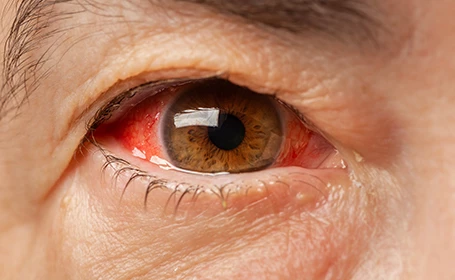
Glaucoma Symptoms: Silent Vision Loss and Emergency Warning Signs
Glaucoma symptoms are often absent during the early stages of the most common form. Vision may seem normal while optic-nerve damage develops gradually. Later, peripheral vision can narrow. A less common form called acute angle-closure glaucoma can cause sudden eye pain, redness, blurred vision, nausea, and requires emergency treatment.
Why Is Glaucoma Called a Silent Eye Disease?
Primary open-angle glaucoma typically progresses without pain or obvious early vision changes. The brain can compensate for small areas of peripheral vision loss, so a person may not recognize the damage until the disease is advanced.
The National Eye Institute’s glaucoma guide explains that glaucoma may have no early symptoms and is detected through a comprehensive dilated eye examination.
| Stage or type | Possible experience | Appropriate response |
| Early open-angle | Often no symptoms | Routine risk-based exam |
| Advancing disease | Reduced side vision | Prompt eye evaluation |
| Advanced disease | Tunnel-like visual field | Ongoing specialist care |
| Acute angle closure | Pain, red eye, nausea | Emergency care |
What Vision Changes Can Develop Later?
Gradual loss usually begins in peripheral or side vision. A person might bump into objects, miss steps, or fail to notice a vehicle approaching from the side. Over time, central vision may also become affected.
Building preventive health habits is useful because waiting for symptoms is a poor glaucoma strategy. An eye-pressure reading alone also can’t settle every case; glaucoma can occur at pressures considered normal, while some people with higher pressure don’t yet have nerve damage.
Testing may include eye-pressure measurement, optic-nerve examination, visual-field testing, corneal measurements, and imaging. Your eye doctor selects tests based on risk and previous findings.
Who Should Pay Closer Attention to Screening?
Risk rises with age, family history, certain racial or ethnic backgrounds, diabetes, previous eye injury, and some medication exposures. Individual risk isn’t determined by one factor, so examination intervals should come from an eye professional.
Changing consumer health routines shouldn’t mean buying unproven supplements or home pressure devices without guidance. The useful step is a complete examination that evaluates the optic nerve and visual field, not merely a standard vision-chart test.
Normal reading vision doesn’t rule out early glaucoma. That’s the frustrating part: you may still read small print while side-vision damage is developing.
Can Glaucoma Vision Loss Be Reversed?
Existing optic-nerve damage is generally permanent, but treatment can slow or prevent further loss. The goal is commonly to reduce pressure inside the eye with prescription drops, laser treatment, surgery, or a combination.
Planning for ongoing appointments and medication may become part of long-term household planning. Each treatment has limitations. Eye drops require consistent use and may cause side effects; laser treatment may not lower pressure enough forever; surgery carries procedural risks.
Never stop glaucoma medicine because vision seems unchanged. The absence of symptoms doesn’t mean treatment is unnecessary. Discuss side effects, cost barriers, or difficulties using drops with the treating clinician rather than quietly missing doses.
Mistakes That Put Vision at Risk
Waiting for noticeable tunnel vision is the most damaging mistake because lost vision may not return. Another is assuming a normal glasses prescription or basic sight test includes complete glaucoma screening.
Some people use drops only when their eyes “feel pressured,” but open-angle glaucoma usually doesn’t create a reliable sensation. Herbal products and eye exercises haven’t replaced pressure-lowering treatment. Missed follow-up visits are also risky because progression can occur without a person noticing any difference.
Red Flags: When to Get Emergency Help
Go to an emergency department or obtain immediate ophthalmic care for sudden intense eye pain, a red eye, blurred vision, halos around lights, severe headache, nausea, or vomiting. These symptoms may indicate acute angle-closure glaucoma.
The pressure rise can damage vision quickly, so don’t wait overnight to see whether it settles. Sudden vision loss of any kind is an emergency even when pain is absent. The National Eye Institute specifically advises immediate care for the sudden pain, redness, nausea, and blurred vision associated with angle closure.
Frequently Asked Questions
Can you have glaucoma with normal eye pressure?
Yes. Some people develop optic-nerve damage despite pressure measurements within the usual range. Diagnosis considers the nerve, visual field, pressure, and other findings.
Does glaucoma always cause tunnel vision?
No. Tunnel-like vision is associated with advanced field loss. Early glaucoma often produces no noticeable symptoms.
Can new glasses correct glaucoma vision loss?
Glasses may correct focusing problems but can’t restore vision lost through optic-nerve damage. Glaucoma requires disease-specific management.
Arrange the Exam Before Symptoms Arrive
Glaucoma rewards early detection and punishes symptom-based waiting. Ask an eye professional how often you need a dilated examination based on your age, family history, health, and previous pressure readings. And treat sudden painful vision changes as an emergency, not tomorrow’s appointment.
This information is educational and does not replace diagnosis or treatment from a qualified eye-care professional.
Related Post
Pain Management Devices: Redefining How We Live and Treat Chronic Pain
Pain has a peculiar way of shrinking a person's world. It can transform simple activities…