

Simple Cabin Filter Tips for Cleaner Air
Maine Local Archive >> Blogs>> Simple Cabin Filter Tips for Cleaner Air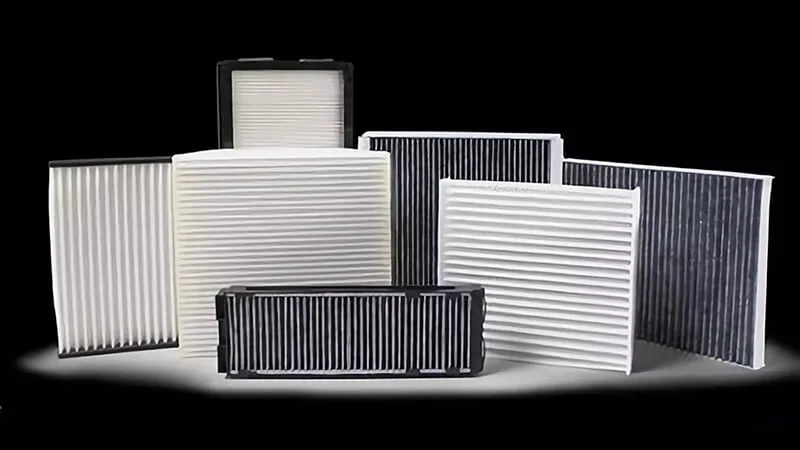
Simple Cabin Filter Tips for Cleaner Air
A stale car cabin can make even a short drive feel heavier than it should. Simple Cabin Filter Tips matter because the air moving through your vents carries dust, pollen, road grit, moisture, and odors into the space where your family sits every day. Many drivers in the USA change oil on schedule, rotate tires, and check wiper blades, yet they ignore the small filter hiding behind the glove box until the vents smell dusty or the windshield refuses to clear.
That filter does quiet work. It helps catch particles before they blow across your face, your dashboard, and your kids’ car seats. For drivers who already follow practical maintenance advice from trusted auto resources like safer everyday driving habits, cabin care belongs in the same routine as tire pressure and brake checks.
The trick is not treating this as a fancy repair. It is a simple habit with a clear payoff: fresher air, better vent performance, and fewer mystery smells when the heat or air conditioning turns on.
Why the Cabin Air System Deserves More Respect
Most drivers think of air quality as something outside the vehicle. They notice smog near a freeway, dust near a construction zone, or pollen on the windshield in spring. Inside the car, though, the cabin becomes a small sealed room that keeps recirculating whatever the system pulls through. That is why small filter neglect can feel bigger than it looks.
The cabin air filter sits in that hidden path between outside air and the vents. When it is clean, the system breathes better. When it is loaded with debris, everything feels a little off, even if the car still runs fine.
How a Small Filter Changes Daily Driving Comfort
A clean cabin air filter does not make your car feel new, but it can remove the stale edge from daily driving. You notice it most on ordinary days. The air conditioner starts without that old sock smell. Heat reaches the cabin without a dusty burst. The front vents stop sounding strained.
That matters in places like Phoenix, Dallas, Atlanta, and Los Angeles, where drivers use climate control for much of the year. A clogged filter in those areas works harder because heat, pollen, wildfire haze, and road dust all fight for space in the same thin filter material.
Here is the counterintuitive part: a dirty filter can bother you before it looks filthy. Fine dust and pollen can pack into the folds while the surface still looks passable. The filter may not be black or dramatic, but the airflow can already be suffering.
Why Odors Often Start Before Drivers Notice Dust
Bad smells rarely appear all at once. They creep in after moisture, trapped leaves, and organic debris sit in the air path. A driver may blame a gym bag, fast food wrapper, or wet floor mat before suspecting the filter.
Moisture makes the problem worse. In humid states like Florida, Louisiana, and parts of the Midwest, the HVAC box can hold damp air long enough for musty smells to settle in. The filter then becomes less like a screen and more like a sponge for old odors.
Better car air quality starts with removing what the system has been breathing through. Sprays and vent fresheners may cover the smell for a few days, but they do not fix a filter packed with dust and damp debris.
Simple Cabin Filter Habits That Prevent Bigger Annoyances
A cabin filter is not glamorous, which is exactly why it gets forgotten. No warning light flashes in most cars. No dramatic noise tells you the filter has had enough. You have to build the habit before the problem starts shouting through the vents.
The best routine is simple: inspect it during seasonal changes, replace it before heavy allergy periods, and pay attention when airflow changes. That rhythm works better than waiting for the cabin to smell strange.
When Seasonal Checks Make the Most Sense
Spring and fall are the best times to check the filter in many parts of the USA. Spring brings pollen, seed fluff, and dust from yard work. Fall brings leaves, dry debris, and temperature swings that make drivers use heat one week and air conditioning the next.
A driver in Ohio, for example, may deal with spring pollen first, then summer road dust, then fall leaf fragments near the windshield cowl. That filter sees more variety than most people imagine. Waiting a full year may be fine for light driving, but it can be too long for commuters.
Short trips can be harder on the filter than expected. Stop-and-go traffic keeps you near exhaust, brake dust, and pavement grit. A highway driver moving through open air may load a filter differently than someone sitting near delivery trucks twice a day.
What Your Vents Are Trying to Tell You
Weak airflow is often the first clue. You turn the fan higher, but the cabin still takes too long to cool or warm. The system sounds busy, yet the air coming out of the vents feels thin.
Dust on the dashboard can be another sign, especially when it returns soon after cleaning. A neglected cabin air filter may allow fine particles to keep circulating, which makes the interior feel dirty even when you wipe surfaces often.
Foggy windows can also point to a blocked air path. Defrost needs steady airflow to move moisture off the glass. When the filter restricts that movement, the windshield may clear slowly on cold mornings or rainy nights.
How Better Airflow Protects Comfort and System Performance
Your HVAC system depends on movement. Air has to enter, pass through the filter, cross heating or cooling components, then exit through vents with enough force to matter. When one part of that path gets blocked, the whole system feels weaker.
This is where HVAC airflow becomes more than a comfort issue. A clogged filter makes the blower motor work harder to push air through packed material. That does not mean the motor will fail tomorrow, but strain adds up over time.
Why Fan Speed Is Not a Real Fix
Many drivers respond to weak vents by turning the fan to the highest setting. That feels logical, but it can hide the problem for a while. The blower pushes harder, the noise rises, and the driver assumes the system is doing its job.
Higher fan speed cannot restore proper flow through a packed filter. It only forces air against a blocked path. That is like trying to drink through a straw with a paper towel stuffed inside it. More effort does not create a clean passage.
A clean filter lets the system work with less drama. The fan does not need to roar as often. Cooling feels more even. Heat reaches the back seat sooner. Small comfort gains stack up during long commutes and family road trips.
How Filter Neglect Can Mimic Bigger Problems
A clogged filter can make a healthy HVAC system seem weak. Drivers may worry about low refrigerant, a failing blower, or deeper electrical trouble when the first step should be filter inspection.
That does not mean every airflow problem is filter-related. Cars still develop blend-door issues, blower faults, and refrigerant leaks. But skipping the filter check can send a driver toward unnecessary diagnostic costs.
A Maryland commuter dealing with weak air conditioning in July might assume the AC system needs service. If the filter is packed with pollen and road dust, replacement may restore enough airflow to change the whole feel of the cabin. That small check can save a shop visit for the right problem, not the easy one.
Smart Replacement Choices for Real American Driving
The right replacement habit depends on where and how you drive. A suburban family car in Vermont does not face the same air as a rideshare vehicle in Houston or a pickup near farm roads in Kansas. Mileage matters, but environment matters more.
Cabin care works best when you match the filter to real use. That means thinking about dust, allergies, pets, smoke, humidity, and traffic instead of blindly following a calendar.
Which Filter Type Fits Your Situation?
Standard particulate filters suit many drivers. They help catch dust, pollen, and common debris without costing much. For a driver who mostly uses the car for errands and school pickup, this may be enough.
Activated carbon filters can help with odors from traffic, smoke, and city driving. They do not turn a car into a sealed clean room, but they can reduce some smells before they reach the vents. Drivers near industrial roads, tunnels, or heavy congestion may notice the difference.
Some filters advertise higher filtration levels. That can help people who care deeply about car air quality, but denser material may affect airflow if the filter is poorly matched to the vehicle. The goal is cleaner air without choking the system.
Why Replacement Timing Should Match Your Roads
Owner’s manuals often give a mileage range, but real conditions can shorten it. Dusty roads, wildfire smoke, heavy pollen, pet hair, and frequent construction zones all load the filter sooner. A car parked under trees may also collect leaves near the intake area.
Urban drivers should think about traffic exposure. Sitting behind buses, trucks, and delivery vans day after day puts different junk into the air stream than rural cruising. The filter becomes a record of where the car has been.
A practical habit is to inspect the filter every 6 months and replace it when it looks packed, smells musty, or affects airflow. For many drivers, once a year works. For high-dust or high-pollen areas, twice a year may feel smarter.
Keeping the Cabin Fresh Between Replacements
Replacing the filter is the main move, but it is not the only one. The cabin stays fresher when you reduce what enters the system and stop moisture from hanging around. A clean filter works better when the rest of the car supports it.
This is where many drivers miss the easy wins. They change the filter, then keep wet floor mats, crumbs, leaves, and pet hair in the cabin. The vents improve, but the car still smells tired.
Small Interior Habits That Support Cleaner Air
Vacuuming matters more than most people think. Dust trapped in carpet, seats, and mats gets stirred up every time passengers enter. The filter handles incoming air, but the cabin itself can become its own dust source.
Floor mats need attention after rain, snow, or beach trips. Wet mats can keep humidity inside the car, and that moisture can feed musty smells. In northern states, winter slush and road salt make this worse because mats stay damp for days.
Keep the intake area near the windshield clear. Leaves and pine needles can gather near the cowl, especially in fall. If that debris sits there, it can break down and send odors into the ventilation path.
How Recirculation Helps and Hurts
Recirculation can be useful in traffic, smoke, or dusty areas. It limits how much outside air enters the cabin, which gives the system a break during short exposure. That button earns its place when you are behind a diesel truck or passing road work.
Leaving recirculation on all the time can backfire. Moisture from breathing, wet clothes, and damp mats stays inside longer. Windows may fog faster, and the cabin can feel stale.
Use fresh air when conditions outside are clean and dry. Use recirculation when outside air is rough. That simple switch gives the filter a fair chance and keeps the cabin from feeling trapped.
Conclusion
Fresh cabin air is not a luxury feature. It is part of how a car feels, smells, and supports the people inside it every mile. Drivers often chase bigger fixes because small maintenance feels too ordinary to matter, but the cabin filter proves the opposite.
Simple Cabin Filter Tips work because they connect a hidden part to daily comfort. You do not need special tools for every vehicle, and you do not need to wait for a mechanic to mention it. You need a reminder, a quick inspection, and the honesty to replace the filter before the vents start complaining.
The smartest habit is tying the filter check to seasonal changes, especially before pollen season, summer heat, or winter defrost use. Match the replacement schedule to your roads, not some perfect driving condition that does not exist.
Open the glove box, check the manual, and make cabin filter care part of your next maintenance routine before stale air becomes your car’s normal.
Frequently Asked Questions
How often should I replace a cabin air filter in my car?
Most drivers should replace it about once a year, but dusty roads, heavy pollen, pets, smoke, or city traffic can shorten that timeline. Inspecting it every 6 months is a smart habit because the filter’s condition tells the truth better than mileage alone.
What are the signs of a dirty cabin air filter?
Weak vent airflow, musty smells, slow window defrosting, extra dust on the dashboard, and louder fan noise can all point to a dirty filter. These signs do not prove the filter is the only issue, but they make inspection the right first step.
Can a dirty cabin air filter affect air conditioning?
Yes, it can reduce airflow through the vents, which makes cooling feel weaker even when the AC system itself still works. The air may be cold, but if it cannot move through the cabin well, comfort drops fast.
Is a cabin air filter the same as an engine air filter?
No, they serve different jobs. The engine air filter helps protect the engine from dirt entering the intake. The cabin filter helps clean air entering the passenger area through the heating and cooling system.
Can I replace my own cabin air filter at home?
Many vehicles make it easy, often behind the glove box or under the dashboard. Some models are more awkward, so checking the owner’s manual first helps. Use the correct filter size and airflow direction to avoid a poor fit.
Does an activated carbon cabin filter remove bad smells?
It can reduce some odors from traffic, smoke, and outside air better than a basic particulate filter. It will not fix every smell, especially if moisture, mold, food spills, or dirty mats are causing odor inside the cabin.
Why does my car smell musty when I turn on the vents?
Musty vent odor often comes from moisture, trapped debris, or a dirty filter in the air path. Replacing the filter may help, but you should also dry wet mats, clear leaves near the windshield, and avoid trapping humidity with recirculation all day.
Should I change the cabin filter before allergy season?
Yes, changing it before spring pollen season is a smart move for many USA drivers. A fresh filter can help reduce pollen and dust entering the cabin, especially during school runs, commutes, and long drives with windows closed.
Related Post

Simple Patent Law Basics for New Inventors
A good invention can feel solid in your hands and still be fragile on paper.…