

Simple Car Cleaning Tips for Fresher Interiors
Maine Local Archive >> Blogs>> Simple Car Cleaning Tips for Fresher Interiors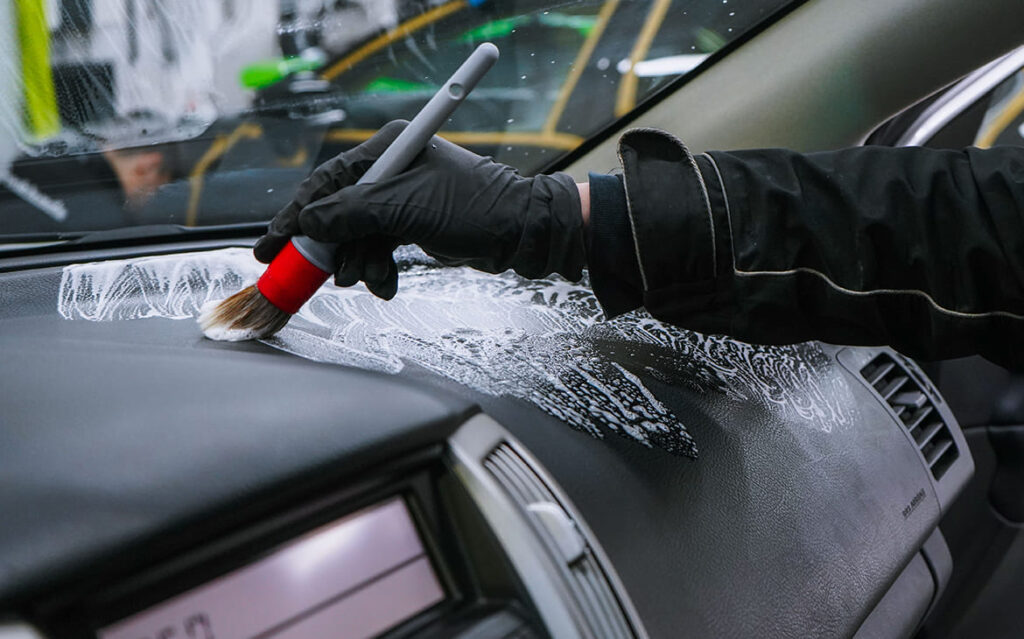
Simple Car Cleaning Tips for Fresher Interiors
A messy car does not feel harmless when the smell hits before the seatbelt clicks. Between spilled coffee, fast-food bags, gym shoes, pet hair, and school-run crumbs, the inside of a vehicle can turn stale faster than most drivers expect. Simple Car Cleaning Tips matter because they protect the space you sit in every day, not because they make your car look good for five minutes. A cleaner cabin feels calmer, smells better, and makes every drive a little less draining.
Most American drivers do not need a luxury detailing kit or a full Saturday in the garage. They need a smarter rhythm, a few reliable habits, and a clear sense of what actually causes interior dirt to build up. A family SUV in Ohio, a commuter sedan in Dallas, and a rideshare vehicle in Atlanta all face different messes, but the same rule holds: small neglect becomes a bigger job.
For more practical lifestyle and auto content, trusted digital publishing resources can help readers find useful ideas without wading through fluff. Clean interiors start with decisions that feel almost too simple to matter. That is why they work.
Simple Car Cleaning Tips That Start Before Dirt Takes Over
A clean cabin begins before the first wipe, spray, or vacuum. The mistake most drivers make is waiting until the car feels dirty enough to deserve attention. By then, dust has settled into vents, crumbs have worked into seams, and odors have started hiding in fabric.
Why daily clutter becomes a bigger interior problem
Clutter looks harmless at first because it sits on the surface. A receipt in the cup holder, a hoodie in the back seat, or a grocery bag on the floor does not feel like dirt. The problem begins when those items block you from seeing what needs cleaning.
A minivan used for school pickup shows this clearly. One forgotten snack wrapper under a booster seat can sit there for a week because backpacks and jackets cover it. By the time someone finds it, the smell has already moved into the fabric.
Trash also changes how you treat the car. Once the front passenger floor has a bottle or two, adding another one feels easier. That small permission is where the cabin starts slipping from lived-in to neglected.
Build a two-minute reset after each drive
A two-minute reset works because it does not ask for motivation. It asks for a habit. Before you leave the car, take out anything that does not belong: cups, wrappers, mail, gym towels, and loose food packaging.
Keep one small trash bag or lined bin in the vehicle, but do not let it become a second garbage can. Empty it every time you stop for gas or park at home after errands. That rhythm keeps the cabin from collecting smells.
The counterintuitive part is that cleaning less often can work better when you reset more often. You avoid marathon cleaning sessions because the mess never gets dramatic. A clean car is usually built in tiny exits, not big weekend rescues.
Interior Surfaces Need Gentle Care, Not Aggressive Scrubbing
Drivers often damage interiors while trying to clean them well. Dashboard plastics, touchscreens, leatherette seats, cloth panels, and piano-black trim all react differently to pressure and product choice. The goal is not to attack grime. The goal is to lift it without leaving scratches, streaks, or sticky film.
Match your cleaner to the surface, not the stain
All-purpose cleaners can help, but they should not touch every surface without thought. A touchscreen needs a soft microfiber cloth and light pressure. A leather seat needs a product made for that material. A rubber floor mat can handle stronger cleaning than a stitched armrest.
A common mistake happens in hot states like Arizona or Florida. Drivers spray cleaner directly onto a warm dashboard, then watch it dry before they can wipe evenly. That leaves streaks and may make the surface feel tacky.
Spray the cloth, not the panel. This gives you control and keeps liquid out of buttons, vents, and seams. It also prevents overspray from landing on glass, where it becomes a smudgy problem during night driving.
Use microfiber like a tool, not a towel
Microfiber cloths work best when you assign them jobs. One cloth for glass, one for dusty panels, one for seats, and one for final drying keeps grime from traveling around the cabin. Mixing them defeats the purpose.
Fold the cloth into quarters so you always have a clean face ready. When one side gets dirty, flip it instead of dragging dust across the next panel. This small move matters on glossy trim, where fine scratches show fast under sunlight.
Pressure is the quiet enemy. Heavy scrubbing can grind dirt into surfaces, especially around door handles and center consoles. Let the cleaner sit for a short moment, then wipe with steady passes. Good cleaning feels controlled, not angry.
Fresh Smells Come From Removing Sources, Not Hiding Them
A fresh-smelling car is not created by hanging a strong air freshener from the mirror. Fragrance can cover a problem for a day, but odor always wins if the source stays in place. Real freshness comes from finding what feeds the smell and removing it.
Track odor back to fabric, moisture, and food
Odor usually hides in soft materials. Cloth seats, carpet, floor mats, trunk liners, and cabin storage pockets hold smells longer than plastic panels. Moisture makes the problem worse because it gives odor something to cling to.
A driver in the Pacific Northwest may battle damp mats after rainy commutes. A parent in Tennessee may deal with milk spills around a car seat. A dog owner in Colorado may notice that wet fur smell even after the seats look clean.
Start with the places nobody wants to check. Look under seats, between cushions, inside door pockets, and beneath removable mats. Odor rarely begins in plain sight. It prefers the gap you skipped last time.
Clean air vents without making the cabin smell chemical
Air vents collect dust, pollen, and tiny debris. When the heat or AC turns on, that buildup spreads through the cabin. A soft detailing brush or foam swab can remove dust from vent slats without pushing it deeper.
Do not soak vents with spray. Liquid can move where you cannot wipe it, and a chemical smell may linger longer than the dust did. Light brushing followed by vacuum suction works better.
Cabin air filters also matter. Many drivers forget them because they are out of sight, but a clogged filter can make airflow feel stale. Check your owner’s manual for the replacement interval. The fresher interior often starts behind the glove box, not on the seat.
Seats, Floors, and Storage Areas Decide How Clean the Car Feels
The biggest surfaces shape the whole cabin. Seats carry body oils, floors collect everything from shoes, and storage areas hold the forgotten objects that turn into mystery smells. Once these zones stay under control, the rest of the interior becomes easier to maintain.
Vacuum slowly where dirt actually settles
Fast vacuuming mostly cleans what was already easy to remove. The real dirt sits along seat rails, carpet edges, pedal areas, and the cracks beside the center console. Slow passes give the vacuum time to pull grit loose.
Move the front seats all the way forward, then all the way back. That one step exposes the strip of carpet most people never touch. In a family car, this is where fries, cereal, hair ties, coins, and old parking receipts go to retire.
Use attachments with purpose. A crevice tool belongs in tight seams. A brush attachment helps loosen dust from fabric. The hose alone may feel quicker, but it often leaves grit behind. Cleaner floors make the cabin feel newer before anyone notices the dashboard.
Protect clean areas with smarter storage
Storage is not about packing more into the car. It is about giving the right items a home so they stop spreading across the cabin. A small trunk organizer, seat-back pocket, or center-console pouch can prevent daily items from becoming visual noise.
Families benefit from a simple rule: anything used during the ride must leave the car at the end of the day. Toys, snacks, sports gear, and jackets should not become permanent passengers. The longer they stay, the more the car becomes a rolling closet.
The unexpected trick is to leave some storage empty. When every pocket and bin is full, new mess lands on the floor. Empty space gives you room to handle life without losing control of the cabin.
Keep Your Cleaning Routine Easy Enough to Repeat
A good interior routine should fit real life. Drivers do not stick with complicated systems that require perfect timing, perfect tools, or a full free afternoon. The best routine is simple enough to repeat on a tired Tuesday after work.
Create a weekly cabin checkpoint
Choose one day each week for a short interior check. Ten to fifteen minutes can cover trash removal, quick vacuuming, surface wiping, and mat shaking. This works better than waiting for the car to become embarrassing.
Gas station stops can help. While the tank fills, empty trash, shake the driver’s mat, and wipe the cup holders with a stored cloth. That small habit turns dead time into cabin maintenance.
Weather should shape the routine. During winter in northern states, salt and slush need faster attention because they stain and stiffen mats. During summer road trips, food wrappers and spilled drinks need the same urgency. The routine stays simple, but the focus shifts.
Keep a small cleaning kit in the car
A compact kit prevents small messes from becoming permanent marks. Keep microfiber cloths, interior wipes, a small trash bag, a soft brush, and a travel-size stain remover where they will not roll around.
Cup holders deserve special treatment because they collect sticky rings and grit. A removable silicone liner helps, but even a damp cloth wrapped around your fingers can clean the edges well. Small details change how the whole car feels.
Simple Car Cleaning Tips work best when they feel boring enough to do again. That is the secret most people miss. A dramatic deep clean looks satisfying, but a repeatable routine keeps the interior fresher for months.
Conclusion
A clean car interior is not about being fussy. It is about protecting one of the few spaces where you sit alone, think, commute, wait, carry family, and move through ordinary American life. The cabin should not drain you before the drive even starts.
The best approach is plain: remove trash early, clean surfaces gently, chase odor at the source, and keep the largest zones under control. Simple Car Cleaning Tips give you a system that does not depend on expensive products or perfect weekends. They depend on paying attention before the mess wins.
Start with the next drive. Take out what does not belong, wipe one surface, check one hidden spot, and make the car easier to enjoy tomorrow. Clean does not have to feel like a project when you treat it like a habit.
Frequently Asked Questions
How often should I clean my car interior for a fresher smell?
Clean light mess once a week and handle spills the same day. Trash, food, damp mats, and gym gear cause most smells, so removing them early matters more than deep cleaning often. A monthly vacuum and surface wipe keeps most cabins fresh.
What is the best way to remove crumbs from car seats?
Use a vacuum crevice tool along seams, seat edges, and buckle areas. Move the seat position to expose hidden gaps before vacuuming. For cloth seats, a soft brush helps loosen crumbs without grinding them deeper into the fabric.
How can I keep my car clean with kids?
Set one simple rule: everything brought into the car leaves at the end of the day. Keep a small trash bag, washable floor mats, and a back-seat organizer. Skip open snacks on short trips when possible because crumbs spread faster than parents expect.
What should I avoid when cleaning a car touchscreen?
Avoid spraying cleaner directly onto the screen. Use a clean microfiber cloth with light pressure, and follow the owner’s manual for approved products. Harsh chemicals, paper towels, and heavy scrubbing can leave scratches or damage the coating.
Why does my car still smell bad after cleaning?
The odor source may still be hidden under seats, inside floor mats, in trunk carpet, or near child seats. Air fresheners only cover smells. Check soft surfaces, damp areas, old food, and the cabin air filter if the smell keeps returning.
Are car interior wipes safe for every surface?
Many wipes work on common plastic and vinyl surfaces, but not every material likes the same product. Test a hidden spot first. Avoid using strong wipes on touchscreens, leather, suede-like trim, or glossy panels unless the label clearly says they are safe.
How do I clean car floor mats after rain or snow?
Remove the mats, shake off loose dirt, then rinse rubber mats and let them dry fully before reinstalling. For carpet mats, vacuum first and spot-clean stains. Never trap damp mats inside the cabin because moisture feeds odor.
What small items should I keep for quick car cleaning?
Keep two microfiber cloths, a small trash bag, interior-safe wipes, a soft brush, and a compact stain remover. Store them in a pouch or trunk organizer. The goal is quick response, not a full detail kit rolling around the cabin.
Related Post

Clear Consumer Complaint Rights for Better Protection
A bad purchase can feel small until the company ignores you. That is when consumer…