

Simple Interior Cleaning Habits for Fresh Cabins
Maine Local Archive >> Blogs>> Simple Interior Cleaning Habits for Fresh Cabins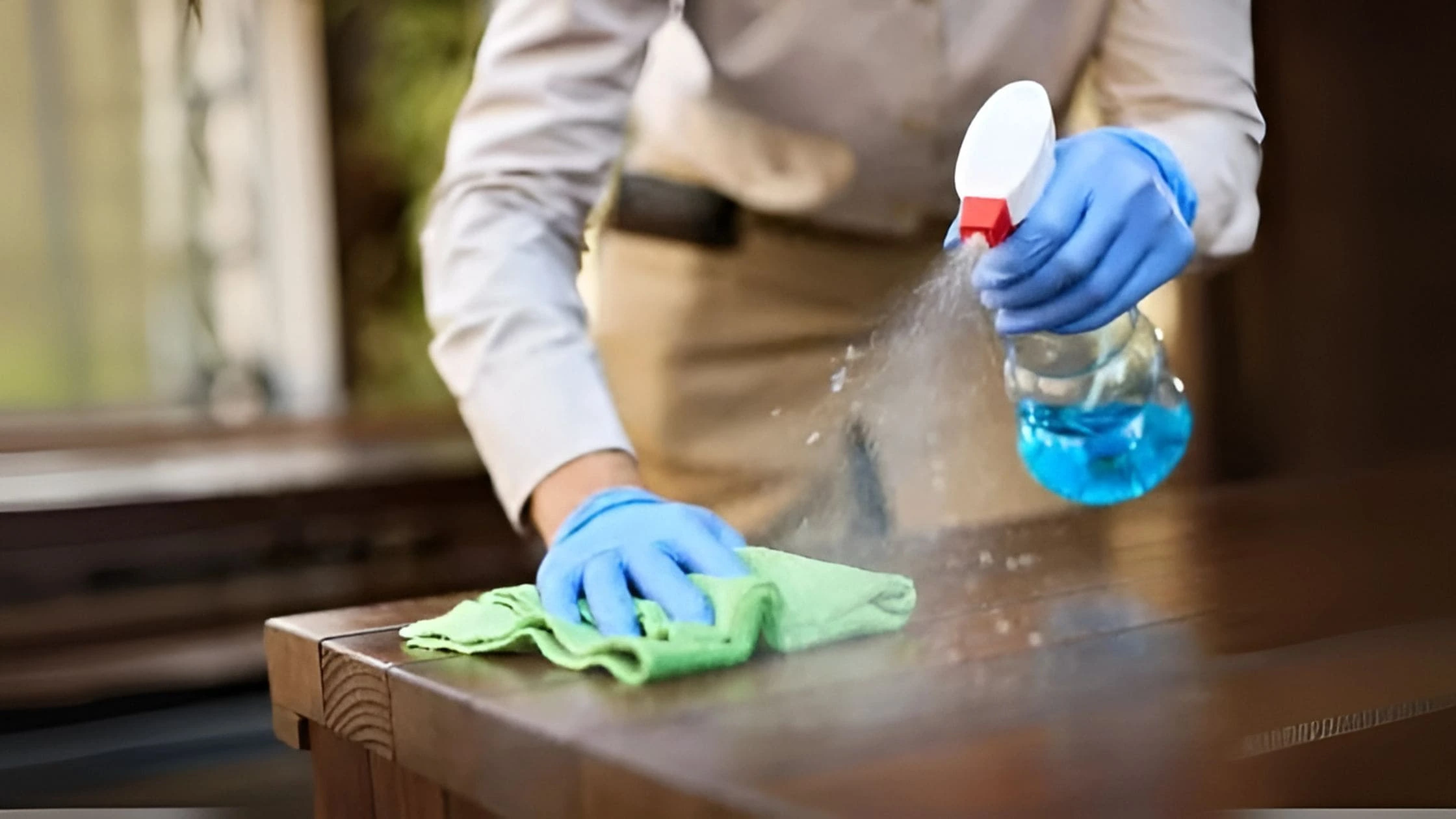
Simple Interior Cleaning Habits for Fresh Cabins
A car can look polished from the outside and still feel stale the second you open the door. Most drivers notice the mess only after it has already turned into crumbs in the seat seams, dust across the dash, and that trapped odor that never leaves fast enough. That is why interior cleaning habits matter more than one big weekend scrub. A fresh cabin comes from small actions repeated before grime settles in. For drivers across the USA, where coffee runs, school pickups, drive-thru meals, gym bags, and long commutes all share the same space, the inside of a vehicle takes daily abuse. Trusted lifestyle resources like local American car care advice can help drivers think beyond appearance and treat cabin upkeep as part of everyday comfort. The goal is not to turn your car into a showroom. The goal is to make it feel calm, clean, and ready every time you slide behind the wheel.
Interior Cleaning Habits That Stop Mess Before It Settles
A clean cabin starts before the vacuum ever comes out. The real trick is catching dirt while it is still loose, light, and easy to remove. Once crumbs grind into carpet fibers or sticky spills dry around cup holders, the job becomes harder than it needed to be. Most American drivers do not need more products first. They need a smarter rhythm.
Build a Cabin Cleaning Routine Around Real Driving
A useful cabin cleaning routine has to match the way you drive. A parent in Ohio hauling kids to soccer practice deals with wrappers, cleats, and juice boxes. A rideshare driver in Dallas battles dust, receipts, and back-seat fingerprints. A commuter in New Jersey may fight coffee splashes and road salt tracked in during winter.
The best routine starts with one rule: leave the car slightly better than you found it. That may mean taking one cup out when you park, shaking a floor mat after a muddy stop, or wiping the steering wheel before heading inside. Small, boring actions win here.
Many drivers fail because they wait for the car to feel embarrassing. By then, the job feels like punishment. A two-minute reset after work or errands keeps the mess from becoming a Saturday project that nobody wants to do.
Keep Trash From Becoming Part of the Car
Trash becomes invisible when it stays long enough. A gas receipt tucked into the door pocket feels harmless on Monday, then turns into a pile by Friday. Empty bottles roll under seats, snack wrappers disappear beside consoles, and napkins somehow become permanent decor.
The fix is not fancy. Keep a small lined trash container or reusable bag in the cabin. Empty it every time you fuel up. Gas stations already create a natural stopping point, so the habit attaches itself to something you do anyway.
A counterintuitive truth: the smaller the trash bag, the cleaner the car often stays. Big containers invite delay. Small ones force quick action before clutter gets comfortable.
Surfaces Need Gentle, Regular Car Interior Care
Once loose trash is under control, surfaces decide how fresh the cabin feels. Dashboards, door panels, screens, consoles, steering wheels, and controls collect fingerprints and body oils faster than most people realize. Good car interior care is not about soaking every surface with cleaner. It is about using the right touch often enough that buildup never gets a chance.
Use Dashboard Dust Control Without Overdoing Products
Good dashboard dust control starts with a soft microfiber cloth. Dust looks simple, but it often carries grit that can scratch glossy trim and screens when rubbed with rough towels. A dry wipe handles light dust, while a slightly damp cloth works for mild film.
Sprays should never be aimed directly at electronics, vents, or display screens. Spray the cloth instead. This keeps moisture from sliding into buttons or seams where it can cause trouble later.
The mistake many drivers make is chasing shine. A greasy dash may look clean for a day, but it attracts more dust and can create glare in bright sun. A clean, low-sheen finish is safer and better looking.
Clean High-Touch Spots Before They Feel Dirty
The steering wheel, shifter, start button, seat belt buckle, door handle, and touchscreen collect the most contact. These areas may not always look dirty, yet they carry oils from hands, sunscreen, lotion, drive-thru food, and everyday grime.
A gentle wipe once or twice a week keeps these spots from developing that slick, unpleasant feel. This matters more in warmer states like Florida, Arizona, and Texas, where heat can bake residue onto surfaces faster.
There is a simple test: if a surface feels different from when the car was clean, it needs attention. Waiting for visible dirt is waiting too long.
Seats, Mats, and Floors Carry the Real Story
The cabin floor tells the truth about how a vehicle gets used. Shoes bring in gravel, grass, beach sand, snow slush, fast-food crumbs, and parking lot grit. Seats hold sweat, pet hair, snack dust, and spilled drinks. This is where clean car seats and floors make the biggest difference in comfort.
Handle Clean Car Seats by Material, Not Guesswork
Fabric, leather, and synthetic upholstery need different care. Fabric seats trap crumbs and absorb spills, so quick blotting matters. Rubbing a spill pushes it deeper, which can leave a stain that keeps showing up after the surface dries.
Leather and leatherette need a softer approach. A damp microfiber cloth handles light soil, while a proper interior cleaner can remove body oils without stripping the surface. Harsh household cleaners can dry materials and leave patches that age badly.
A driver in California who parks in sun all day faces a different seat problem than someone in Maine dealing with winter coats and salt. Heat dries surfaces. Winter grime stains them. Smart cleaning adjusts to the season.
Vacuum Floor Areas in the Order Dirt Travels
Floor cleaning works better when you follow the path of dirt. Start with the seats and seams, then move to floor mats, then carpets. If you vacuum the floor first and then brush crumbs from seats, you create extra work.
Remove mats before vacuuming. Shake them outside, brush stuck grit loose, then clean the carpet below. Many drivers forget the area beside the seat rails, where crumbs and grit collect like they are paying rent.
A strong cabin cleaning routine should include one deeper floor reset every week or two. It does not need to be perfect. It needs to be regular enough that dirt never becomes part of the carpet.
Smell, Airflow, and Storage Decide How Fresh the Cabin Feels
A vehicle can be wiped down and still smell off. Odor often comes from what drivers ignore: damp mats, old food, gym clothes, pet blankets, clogged storage pockets, and stale airflow. Freshness depends on removing the source, not covering it with a stronger scent.
Control Odor at the Source Instead of Masking It
Air fresheners can help, but they cannot fix a dirty cabin. Spraying fragrance over old coffee, damp carpet, or forgotten takeout creates a worse smell. The cabin becomes a mix of perfume and regret.
Start by checking under seats, door pockets, cargo areas, and cup holders. One old fry under a seat can make a small cabin smell stale for days. Damp floor mats should dry outside the car whenever possible, especially after rain or snow.
For families, the cargo area deserves special attention. Strollers, sports gear, grocery bags, and pet items often bring in odor long before the front seats show any mess. Clean storage areas keep the whole vehicle fresher.
Make Storage Work Like a Quiet Cleaning Tool
Good storage prevents mess from spreading. A small console pouch for charging cables, a trunk bin for reusable bags, and a back-seat organizer for children’s items can turn chaos into order. The point is not to add more stuff. The point is to give every regular item a place.
A clean cabin feels easier to maintain when nothing floats around loose. Sunglasses stop sliding into cup holders. Mail stops landing on the passenger seat. Wipes stay where you can reach them when a spill happens.
This is where car interior care becomes less about cleaning and more about design. The best systems make the clean choice the easy choice.
Conclusion
A fresh cabin is not built through one heroic cleaning day. It comes from the quiet discipline of removing trash early, wiping contact points often, caring for seats correctly, and refusing to let odor hide behind fragrance. Drivers across the USA spend too much time inside their vehicles to treat the cabin like an afterthought. Your car is a daily room on wheels, and it deserves the same basic respect as any space where you sit, breathe, think, and move through your day. Strong interior cleaning habits also protect value, because stains, smells, and neglected surfaces make a vehicle feel older before its time. Start small today. Take out the trash, wipe the wheel, shake the mats, and give every loose item a home. A cleaner cabin does not ask for perfection. It asks for attention before the mess takes over.
Frequently Asked Questions
How often should I clean my car interior for a fresh cabin?
A light reset once or twice a week works well for most drivers. Remove trash, wipe high-touch areas, and shake out mats. A deeper vacuum and surface cleaning every two to four weeks keeps dirt from settling into seats and carpets.
What is the easiest way to keep a car cabin smelling clean?
Remove odor sources before adding fragrance. Check under seats, cup holders, door pockets, and cargo areas for food, damp items, or trash. Dry wet mats outside the vehicle and keep gym gear or pet blankets from staying in the car overnight.
Which car interior surfaces should be cleaned most often?
Focus on the steering wheel, shifter, touchscreen, door handles, seat belt buckles, cup holders, and console controls. These areas collect hand oils, food residue, dust, and germs faster than low-touch surfaces.
How do I clean car seats without damaging the material?
Match the method to the seat material. Blot fabric spills instead of rubbing. Use a soft damp cloth for leather or synthetic seats, then apply a cleaner made for vehicle interiors when needed. Avoid harsh household products that can dry or discolor surfaces.
Why does my dashboard get dusty so fast?
Dashboards collect dust because vents, open windows, clothing fibers, and outdoor particles all move through the cabin. A dry microfiber cloth removes light dust safely. Avoid greasy shine products because they can attract more dust and create windshield glare.
What should I keep in my car for quick interior cleanups?
Keep a microfiber cloth, a small trash bag, interior-safe wipes, a soft brush, and a compact storage pouch. These simple items help you handle crumbs, fingerprints, spills, and clutter before they become harder to clean.
How can families keep a vehicle interior clean with kids?
Give kids a small trash spot, limit loose snacks, use back-seat organizers, and empty the car after each school or sports run. Floor mats and seat protectors also help because they catch mess before it reaches harder-to-clean surfaces.
Are air fresheners enough to maintain a clean car cabin?
Air fresheners only add scent. They do not remove spilled drinks, old food, damp carpet, pet odor, or dust. A cabin smells better when it is cleaned first, then lightly scented if needed. Source removal always beats cover-up.
Related Post

Simple Meditation Habits for Better Mental Clarity
Your mind does not become noisy overnight, and it will not calm down through one…