Healthy Snack Planning for Busy Office Workers
Maine Local Archive >> Blogs>> Healthy Snack Planning for Busy Office Workers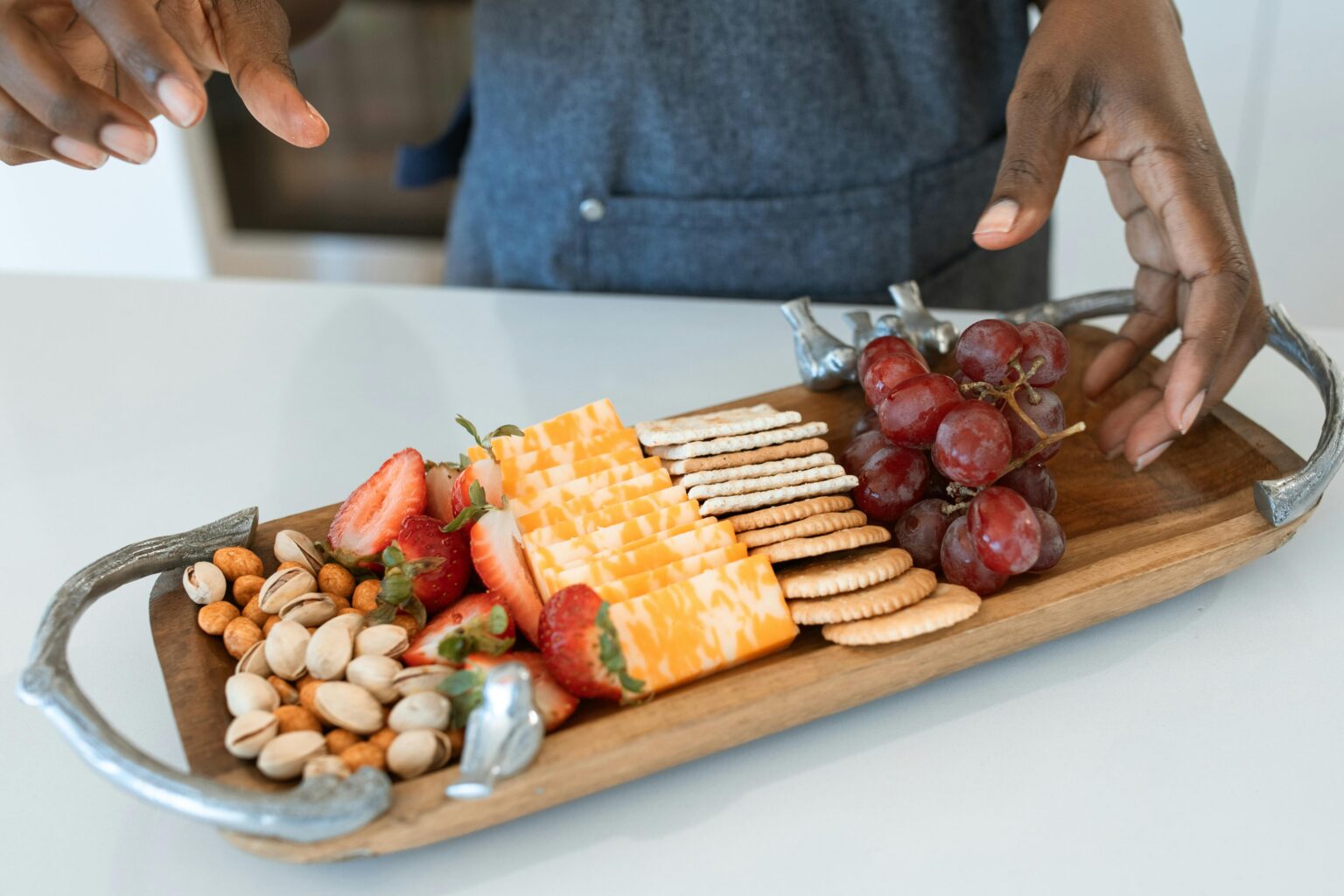
Healthy Snack Planning for Busy Office Workers
The office vending machine wins when lunch feels far away and your calendar looks packed until 5:30. That is why healthy snack planning matters for busy office workers who want steady energy without turning every break into a sugar rescue mission. A better snack system does not need a fridge full of perfect containers or a Sunday routine that eats half the weekend. It needs a few repeatable choices that fit real American workdays, from open-plan offices in Chicago to hybrid desks in Austin. Small choices also connect to broader workplace wellness habits that help people think clearer, spend less, and feel less dragged down by late afternoon. The goal is not to snack less. The goal is to snack smarter, with food that carries you through meetings, commutes, school pickup, and the quiet crash that usually hits around 3 p.m.
Why Healthy Snack Planning Starts Before Hunger Hits
Good snack choices rarely happen in the middle of stress. By the time your stomach growls during a budget call or a client update, your brain wants fast comfort, not careful decisions. Planning works because it moves the decision to a calmer moment, before the office day starts pulling at your attention.
Why office snacks fail when they depend on willpower
Willpower gets too much credit in food conversations. Most people do not grab chips at work because they lack discipline. They grab them because the chips are close, cheap, salty, and ready at the exact moment their energy dips.
A smarter setup removes that fight. Keep office snacks in your desk, bag, or locker before hunger turns loud. A small pack of almonds, roasted chickpeas, or whole-grain crackers can beat a vending machine because it is closer and easier.
The counterintuitive part is that convenience matters more than motivation. Busy people do not rise to their best intentions at 3:12 p.m. on a Tuesday. They eat what their environment makes simple.
How timing changes your afternoon energy
Snack timing can make or break the second half of the day. Waiting until you feel shaky often leads to oversized portions, faster eating, and poor choices. A planned mid-morning or mid-afternoon bite keeps hunger from becoming a small emergency.
For many office workers, the sweet spot lands between breakfast and lunch, then again between lunch and dinner. That does not mean constant grazing. It means using healthy work snacks as a bridge, not a replacement for meals.
A real example: someone who eats breakfast at 7:00, attends meetings from 9:00 to noon, and lunches at 12:45 may need a small protein-and-fiber snack around 10:30. That one choice can prevent the “I’ll eat anything now” feeling before lunch.
Building Snack Choices That Actually Keep You Full
Once the timing is under control, the food itself has to do real work. A snack that tastes good for five minutes but leaves you hungry again by the next email thread is not helping. Fullness comes from pairing foods, not from chasing one magic item.
What makes meal prep snacks worth packing
Meal prep snacks work best when they combine protein, fiber, and some healthy fat. Greek yogurt with berries, apple slices with peanut butter, cottage cheese with whole-grain toast, or turkey roll-ups with cucumber all hold up better than plain crackers or candy.
The goal is not to cook a second dinner for your snack drawer. Keep it simple enough that you can repeat it during a busy week. Two boiled eggs, a cheese stick, and grapes can be packed in under two minutes.
A mistake many people make is preparing snacks that feel too “diet-coded.” If the food feels like punishment, it will lose to the office donut box. Your snack has to satisfy both your body and your mood.
Why protein alone is not enough
Protein gets attention for good reason, but a protein-only snack can still feel flat. A plain protein bar may stop hunger for a while, yet it can leave you wanting crunch, freshness, or something more filling.
Pairing solves that problem. Beef jerky with orange slices, hummus with carrots, or tuna packets with whole-grain crackers gives your mouth texture and your body slower energy. That mix matters during long desk stretches.
One unexpected move is adding produce to snacks you already like. Grapes beside cheese, bell peppers beside hummus, or baby carrots beside a turkey wrap make the snack feel bigger without turning it into a heavy meal.
Healthy Snack Planning for Office Budgets and Busy Schedules
Food advice often ignores money, which makes it useless for plenty of workers. A snack routine has to survive grocery prices, short lunch breaks, long commutes, and shared office kitchens. Fancy options may look good online, but practical systems win during a packed week.
How to keep office snacks affordable
The cheapest snack plan usually starts with bulk basics. Large tubs of yogurt, family-size bags of nuts, oats, popcorn kernels, bananas, apples, string cheese, and peanut butter often beat single-serve snack packs on price.
Portioning at home helps, but it does not need to become a craft project. Use small containers or snack bags for trail mix, popcorn, roasted edamame, or crackers. Five minutes on Sunday night can cover several workdays.
A grounded U.S. example is the warehouse-store approach. A parent working in Dallas might buy bulk cheese sticks, apples, and nut packs, then rotate them through the week. The upfront trip costs more, but the per-snack price can drop fast.
How to avoid boring repetition
Repetition is useful until it becomes stale. The trick is keeping a base list while changing small details. Swap apples for pears, almonds for pistachios, hummus for guacamole cups, or cheddar for mozzarella.
Theme days can help without feeling childish. Monday can be crunchy, Tuesday can be fruit-and-protein, Wednesday can be savory, Thursday can be yogurt-based, and Friday can include a treat paired with something filling.
The honest truth is that boredom drives bad snack choices more than hunger does. When healthy work snacks feel predictable in the worst way, people start wandering. A little variety keeps the plan alive.
Setting Up Your Desk, Bag, and Break Room Strategy
Even strong food choices fail when they are stored badly or forgotten at home. The physical setup matters. Your snacks need a clear home, a backup plan, and a few rules that protect them from heat, spills, and office temptation.
What belongs in a desk snack drawer
A desk drawer should hold shelf-stable backups, not a full pantry. Good options include plain nuts, low-sugar granola bars, roasted chickpeas, tuna packets, oatmeal cups, whole-grain crackers, and herbal tea.
Keep the drawer small on purpose. A giant stash can turn into mindless eating, especially during stressful afternoons. A few planned portions create safety without inviting constant nibbling.
One smart rule is to keep “rescue snacks” separate from “daily snacks.” Rescue snacks are for late meetings, traffic delays, or forgotten lunches. Daily snacks are the ones you planned to eat.
How to handle shared food at work
Shared food is part of office life in the U.S. Someone brings donuts after a school fundraiser. A manager orders pizza. A coworker leaves cookies near the printer because home temptation became office temptation.
You do not need to avoid every treat. You need a decision rule before the food appears. For example, choose treats you truly enjoy, skip the ones you eat only because they are there, and pair sweets with protein when possible.
This is where meal prep snacks become a quiet advantage. When you already have something satisfying nearby, shared food becomes a choice instead of a trap. That difference feels small, but it changes the whole workday.
Conclusion
Better snacking is not about becoming the person who always has a perfect lunch bag. It is about removing the daily food scramble that makes work feel harder than it should. Busy office workers need systems that respect time, money, mood, and the strange pull of free break room cake.
The best snack plan is boring in the right places and flexible where life gets messy. Keep a few shelf-stable backups. Pack one fresh option when you can. Build snacks around protein, fiber, and texture. Let treats stay in the picture without letting them run the day.
Healthy snack planning works when it becomes part of your work rhythm, not another demanding wellness project. Start with two snacks you can repeat this week, place them where you will reach them first, and notice how much easier the afternoon feels when hunger is not making decisions for you.
Choose your next work snack before your next workday chooses it for you.
Frequently Asked Questions
What are the best healthy work snacks for long office days?
Choose snacks with protein, fiber, and texture. Greek yogurt with berries, nuts with fruit, hummus with vegetables, tuna packets with crackers, and boiled eggs with grapes all work well. These options help prevent energy dips without feeling like a heavy meal.
How can busy office workers prep snacks in advance?
Pick two or three repeatable snacks and portion them once or twice a week. Use small containers for nuts, crackers, fruit, cheese, yogurt, or chopped vegetables. Keep one shelf-stable backup at work for days when mornings get rushed.
What office snacks help avoid afternoon sugar crashes?
Snacks with protein and fiber usually work better than sweets alone. Try apple slices with peanut butter, roasted chickpeas, cottage cheese with fruit, or turkey roll-ups. These choices digest more slowly and help avoid the quick spike-and-drop feeling.
How many snacks should an office worker eat each day?
Most people do well with one mid-morning snack or one mid-afternoon snack, depending on meal timing. Some need both during long workdays. The right number depends on breakfast, lunch, dinner timing, activity level, and hunger cues.
What are affordable meal prep snacks for work?
Budget-friendly options include bananas, apples, oats, popcorn, boiled eggs, peanut butter, bulk nuts, yogurt tubs, carrots, and whole-grain crackers. Buying larger packs and portioning them at home often costs less than single-serve convenience snacks.
How do I stop eating vending machine snacks at work?
Keep better options closer than the vending machine. Put planned snacks in your desk, bag, or office fridge before hunger starts. When the easier choice is also the better choice, you rely less on discipline and more on setup.
Are protein bars good snacks for office workers?
Protein bars can help on rushed days, but they should not be the whole plan. Look for bars with enough protein, some fiber, and a taste you enjoy. Pairing one with fruit often makes it feel more satisfying.
What snacks should I keep in my desk drawer?
Good desk snacks include nuts, roasted chickpeas, oatmeal cups, low-sugar granola bars, whole-grain crackers, tuna packets, dried fruit, and popcorn. Keep portions small so the drawer acts as a backup, not an all-day grazing station.
Related Post

Minimalist Fashion Tips for Clean Everyday Style
A cluttered closet can make a simple morning feel harder than it should. The strange…