
Bursitis Symptoms: Swollen, Painful Joints After Repetition
Maine Local Archive >> Health>> Bursitis Symptoms: Swollen, Painful Joints After Repetition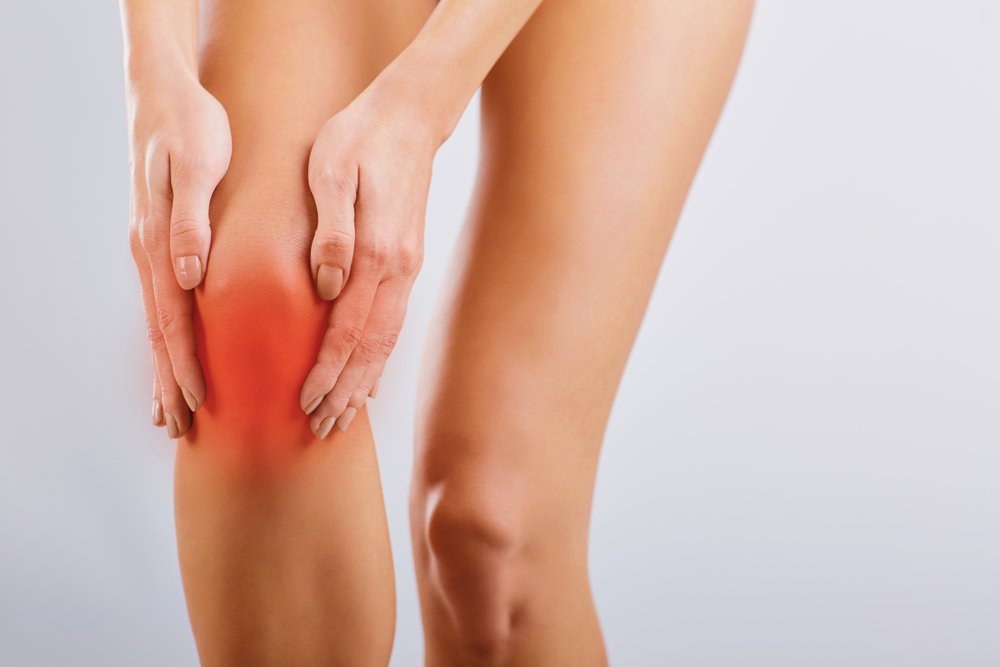
Bursitis Symptoms: Swollen, Painful Joints After Repetition
Bursitis symptoms often include localized pain, tenderness, swelling, warmth, and stiffness near a joint. Movement or direct pressure may worsen the discomfort. Repetitive kneeling, leaning, lifting, running, or lying on one side can irritate a bursa, but infection and injury may cause similar symptoms.
What Is a Bursa and Why Does It Hurt?
A bursa is a small fluid-filled sac that reduces friction where tendons, muscles, skin, and bones move near one another. Bursitis develops when one of these sacs becomes irritated or inflamed.
Common locations include the shoulder, elbow, hip, knee, and heel. The painful area may feel tender when pressed, and swelling can be obvious when the bursa lies close to the skin.
MedlinePlus lists joint-area pain, tenderness, stiffness, swelling, warmth, redness, and pain during movement or rest as possible bursitis symptoms.
| Location | Frequent aggravator | Typical complaint |
| Elbow | Leaning on hard surfaces | Soft swelling at elbow tip |
| Knee | Repeated kneeling | Front-of-knee tenderness |
| Hip | Lying on one side | Outer hip pain |
| Heel | Running or shoe pressure | Pain behind the heel |
How Does Repetition Irritate a Bursa?
A repeated motion or pressure point can make the same tissues rub over the bursa again and again. A flooring worker may develop front-of-knee symptoms, while prolonged elbow pressure may irritate the bursa at the back of the elbow.
Reviewing repeated-motion habits can help identify avoidable pressure. Padding, task rotation, footwear changes, or temporarily reducing the provoking activity may help, although each approach has limitations.
Some bursitis appears after a direct blow. Other cases relate to infection or an underlying inflammatory condition, so repetition shouldn’t automatically be blamed.
Is the Pain Coming From Bursitis or the Joint Itself?
Bursitis often produces localized tenderness over a specific cushioning sac. Joint arthritis may feel deeper and may cause broader stiffness or restricted motion.
Tendinitis can also create nearby pain, while muscle injuries and nerve problems may refer pain across the area. At the hip, for example, several outer-hip structures can contribute to symptoms.
The MedlinePlus bursitis guide notes that clinicians typically begin with a physical examination. Imaging or fluid testing may be considered in some situations, including when infection needs to be excluded.
What Should You Monitor at Home?
Record where the swelling sits, what activity came before it, and whether the skin is warm or red. Note fever, drainage, recent skin injury, and whether pain continues at rest.
A simple swelling diary can include daily photographs for personal comparison, but pictures cannot confirm whether a bursa is infected. Rapidly increasing redness or warmth requires clinical attention.
Store medication lists, previous joint diagnoses, and organized visit records for the appointment. This is especially useful when the same joint has swollen more than once.
Mistakes That Can Make Bursitis Worse
Repeatedly pressing the swelling to “check it” can keep the tissue irritated. Continuing the exact kneeling, leaning, or running pattern that triggered symptoms may do the same.
Attempting to drain a swollen bursa at home is unsafe. It can introduce infection and doesn’t address the reason fluid collected.
Another mistake is treating redness and warmth as ordinary overuse without considering infection. Bursitis associated with fever, broken skin, drainage, or rapidly spreading redness needs medical assessment.
Red Flags: When to Get Medical Help
Seek prompt care for fever, chills, rapidly worsening redness, unusual warmth, drainage, broken skin over the swelling, or severe tenderness. These findings may indicate an infected bursa.
Assessment is also appropriate after substantial trauma, when the joint cannot be moved normally, or when swelling develops quickly. Contact a healthcare professional if symptoms keep returning, fail to improve after activity modification, or interfere with walking, sleeping, or work.
Frequently Asked Questions
Can bursitis hurt when you aren’t moving?
Yes. Bursitis may cause pain during movement or rest. Direct pressure, such as lying on an affected hip or leaning on an elbow, can also worsen symptoms.
Does bursitis always cause visible swelling?
No. Swelling is easier to see in superficial locations such as the elbow or knee. A deeper bursa around the shoulder or hip may cause pain without an obvious lump.
Can bursitis be caused by an infection?
Yes. Some bursae can become infected, especially when bacteria enter through damaged skin. Fever, increasing redness, marked warmth, or drainage needs prompt medical attention.
Remove Pressure and Watch for Heat
Stop repeatedly compressing the painful area and modify the activity that triggered it. Track warmth, redness, swelling, and motion rather than pain alone. Seek prompt evaluation when fever, spreading redness, drainage, rapid swelling, or severe loss of movement develops.
This article provides general education and is not a diagnosis or substitute for care from a qualified healthcare professional.
Related Post

Practical Anxiety Relief Ideas for Daily Calm
Anxiety can make an ordinary Tuesday feel like a locked room with no clear door.…