
How Seasonal Flowers Change the Look of Floral Arrangements
Maine Local Archive >> Home>> How Seasonal Flowers Change the Look of Floral Arrangements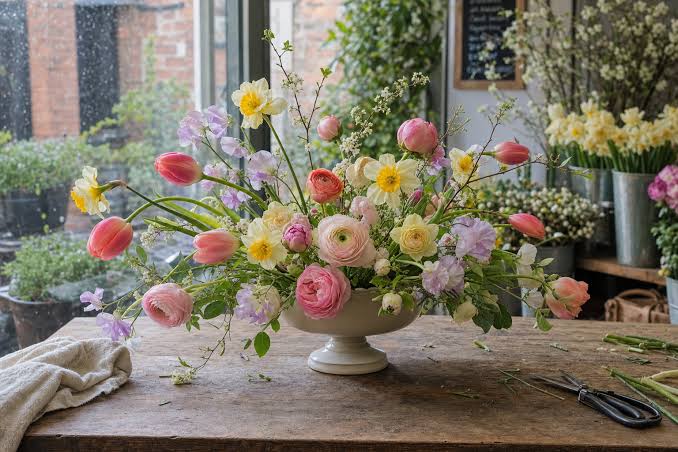
How Seasonal Flowers Change the Look of Floral Arrangements
A bouquet ordered in April often looks light and airy, while one delivered in October looks deep and layered, even when the same florist designs both. The difference starts with the flowers. Blooms from different seasons grow in their own forms, colors, and textures, and those traits decide the silhouette, mood, and depth of the design. Seasonal floral arrangements use these traits on purpose. Designers build the look around what grows in that season. Once you see what spring tulips, summer dahlias, fall grasses, and winter evergreens add to a vase, the change between seasons becomes easy to recognize.
Visual Difference Between In-Season & Out-of-Season Flowers
Peak-season stems give a designer full, open blooms with saturated color. Large flower heads fill space on their own, and the arrangement looks generous with fewer stems. Strong, upright stems also hold their line, and the outline of the design stays crisp.
Imports make up nearly 80% of the value of cut flowers in the US, and the same imported roses and carnations fill shop coolers in all twelve months. Arrangements built only from those stems look much the same from January to December. Out-of-season blooms also tend to arrive smaller, paler, or tightly closed, and the finished design loses fullness and color.
The gap between the two shows up in three visible ways:
- Fullness: In-season blooms open wide and cover the mechanics of the vase. Smaller imported heads leave gaps that need extra filler.
- Color depth: Peak blooms show rich, even color from petal edge to center. Off-season stems can look washed out, and the whole palette appears flatter.
- Line and posture: Firm stems keep tall flowers upright. Weak stems bend, and the arrangement slumps out of its planned outline.
For these reasons, in-season flowers give a designer a stronger starting point for the intended look. The arrangement keeps its fullness, color, and outline for longer, and the seasonal style remains clear.
Seasonal Design Elements
Seasons decide more than which flowers appear in a vase. The palette, the texture, and the overall form all change as the months pass, and fullness and scent follow along.
Color and Mood
Color changes more than any other element as the seasons turn. The palette sets the mood of an arrangement before any other detail. Pale tones reflect light and make a design look soft and open. Deep tones absorb light, adding visual weight and a warmer, more intimate feel.
Color combinations change the mood further:
- Tone-on-tone palettes look calm and polished
- Analogous colors such as peach, coral, and rust look warm and blended
- Contrasting colors such as orange and purple look lively and energetic
- White with dark green looks crisp and formal
Seasons guide these combinations because the available flowers grow in particular color families. The palette of the month becomes the mood of the arrangement.
Texture and Depth
Seasonal blooms bring their own surfaces, and texture decides whether an arrangement looks flat or dimensional. Smooth petals reflect light evenly and create a clean, simple surface. Ruffled, fuzzy, or spiky surfaces break up that light, and the small shadows between them make the design look deeper.
Mixing textures adds layers for the eye to explore. Soft garden roses beside rough seed pods, or glossy leaves beside feathery grasses, give the arrangement contrast and visual interest. Warm months supply more of these textures, and summer and fall designs often look richer as a result.
Form and Silhouette
The shapes of seasonal flowers control the outline of an arrangement. In floral design, linear flowers provide structure, mass flowers form the muscle, and filler flowers tie the materials together. The balance between four flower forms decides the silhouette:
- Line flowers: Tall stems such as snapdragons, delphinium, and flowering branches draw the eye upward. More line flowers create height and an open, airy outline.
- Mass flowers: Round, full blooms such as hydrangeas, dahlias, and peonies fill space. Designs built mostly from mass flowers look lush, rounded, and full.
- Form flowers: Distinctive blooms such as amaryllis, anthuriums, and calla lilies act as focal points. Using fewer of them creates a sculptural, modern look.
- Filler flowers: Small stems such as waxflower and statice soften the gaps between larger blooms. Generous filler gives the design a light, loose finish.
The season changes this balance because the available forms shift through the year. Spring designs often lean on line flowers and branches, while summer supplies more mass flowers and winter favors bold form flowers.
Negative Space
Negative space is the open area between flowers, and the amount of it changes the feel of an arrangement. Tightly packed designs look abundant and full of energy. Open designs with visible gaps look relaxed, airy, and refined. Seasonal supply guides this choice. Abundant summer stems fill a vase easily, while scarcer winter blooms suit a sparser, more spacious style.
Designer’s Eye
Three details reveal a truly seasonal arrangement:
✓ The foliage matches the season of the flowers
✓ Several textures appear together in one design
✓ The colors reflect what grows outdoors that month
Foliage and Accents
Seasonal foliage frames the flowers and changes the overall tone of the design. Silvery eucalyptus cools a palette, bronze leaves warm one, and glossy evergreens add shine. Non-floral accents finish the look. Wheat and dried pods add rustic texture, and berries add small points of color. Foliage that matches the season of the flowers, several textures in one design, and colors that reflect what grows outdoors that month are the clearest signs of a truly seasonal arrangement.
Floral Arrangements by Season
Floral arrangements by season combine these elements in different ways. The result is four distinct looks, and the flowers behind them explain the difference.
Light Spring Designs
Spring arrangements look light because the season’s flowers have slim stems, cupped heads, and thin, delicate petals. Tulips and ranunculus form small, rounded focal points, while flowering cherry and quince branches add tall lines that lift the eye above the vase. The open spaces between these stems keep the design airy instead of dense.
Pastel colors strengthen the airy effect. Blush, lavender, and butter yellow reflect light and give the arrangement a soft, calm mood. Smooth tulip petals and satin ranunculus add a clean surface, and the overall design looks fresh and uncluttered.
Full Summer Designs
Summer arrangements look full because the season supplies large, round mass flowers in quantity. The main summer blooms change the look in specific ways:
- Hydrangeas fill wide areas and create a rounded dome
- Dahlias add layered, geometric centers that draw the eye
- Sunflowers bring bold focal points with dark contrasting centers
- Zinnias and cosmos add bright pops of color around the edges
Bright contrasts such as orange with hot pink give summer designs energy and movement. Mixed textures, from ruffled dahlias to fuzzy celosia, add depth and keep the full form from looking heavy.
Layered Fall Designs
Fall arrangements look layered because designers place stems at several heights in low, wide containers. Chrysanthemums and late dahlias form the lower mass, and copper roses fill the middle layer. Ornamental grasses rise above them with loose, moving lines. The stacked structure gives the design depth from front to back.
Deep tones such as rust, burgundy, and gold absorb light and make the arrangement look warm and cozy. Texture does much of the work in fall. Seed pods, wheat, and dried leaves add rough, matte surfaces beside soft petals, and that contrast gives the design a rich, natural look.
Structured Winter Designs
Winter arrangements look structured because they rely on fewer, bolder blooms. Amaryllis carries large trumpet-shaped flowers on thick stems, and a few stems create a strong focal point without filler. Hellebores and white ranunculus add smaller faces around the base.
High contrast defines the winter palette. White and deep red blooms stand out sharply against dark evergreen branches, and the design looks crisp and formal. Glossy magnolia leaves and cedar reflect light, while pinecones and berries add small, textured details.
Seasonal Looks Compared
Compare the four seasonal looks side by side:
| Season | Overall Look | Palette | Signature Blooms | Texture and Accents |
| Spring | Light, airy, and loose | Pastels and soft white | Tulips, ranunculus, peonies | Flowering branches, smooth petals |
| Summer | Full, round, and bright | Coral, orange, hot pink | Sunflowers, dahlias, zinnias | Fresh herbs, ruffled petals |
| Fall | Low, layered, and earthy | Rust, burgundy, copper | Dahlias, chrysanthemums, sedum | Wheat, grasses, dried pods |
| Winter | Structured and polished | White, red, evergreen | Amaryllis, hellebores, camellias | Berries, pinecones, cedar |
All four looks rely on the same design elements. The season decides which forms, colors, and textures take the lead.
Containers That Suit Seasonal Blooms
Seasonal blooms grow in different shapes, and the container either supports those shapes or works against them. The material, color, and height of the vessel decide whether the seasonal look comes through clearly.
Seasonal container choices follow the look of the flowers:
- Clear glass vases show slim spring stems and keep the design airy
- Wide bowls and urns support the rounded dome of full summer designs
- Low wood, ceramic, or terracotta containers ground layered fall arrangements
- White, silver, or matte black vessels sharpen the contrast of winter designs
Container height also changes the silhouette. Tall vases emphasize line flowers and branches, while low containers spread the design outward and highlight mass and texture.
Transition Season Looks
Seasons rarely switch overnight, and arrangements in transition months combine two looks in one design. Late winter designs often pair crisp white hellebores with the first soft spring ranunculus, and the result looks clean but gentle. Late summer arrangements keep full dahlias while adding the copper tones and loose grasses of fall.
Mild coastal weather in the South Bay stretches these transition periods, and local arrangements shift gradually from one look to the next.
One Occasion Styled Across Four Seasons
Seasonal flowers change the look of an arrangement even when the occasion stays the same. Three common gifts show the difference clearly:
- Anniversary: Spring versions use blush peonies and garden roses for a soft, rounded, romantic look. Fall versions switch to burgundy roses and dark foliage, and the same gesture looks deeper and more dramatic.
- Thank you: Summer sunflowers and zinnias create a bright, open design with bold focal points. Winter thank-you flowers use white ranunculus and eucalyptus, and the result looks quieter and more refined.
- Sympathy: White tulips and soft greenery give spring sympathy pieces a light, gentle look. Winter designs use white amaryllis and evergreen branches for a structured, dignified appearance.
The message of the gift stays steady while the season changes its color, form, and texture. Choosing blooms at their peak keeps the design true to the date.
Seasonal Substitutes
The look of a favorite flower can carry into any season, even when the flower itself is out of bloom. Florists recreate that look with seasonal blooms that share the same form, petal texture, and color. Seasonal flower arrangements keep the intended style this way while using flowers at their visual peak.
Common swaps and the visual match behind them include:
- Peonies → garden roses or ranunculus, for the same ruffled, layered petals
- Tulips → anemones, for a similar cupped form
- Sweet peas → lisianthus, for soft, ruffled color on slender stems
- Winter sunflowers → yellow roses, for a bright, warm focal point
Matching form and texture keeps the overall look close to the original. Color can then shift slightly to suit the season. Peonies, for example, finish blooming by early summer, while dahlias reach their peak in September and October. Café au lait dahlias give a fall bride the same soft, oversized bloom that peonies bring to a spring wedding.
Important FAQs
Do seasonal flower arrangements hold their look longer?
Yes, in most cases. Seasonal blooms travel shorter distances and reach the shop closer to harvest. Fresher stems keep their color and shape longer in the vase. Imported off-season flowers spend more time in transit, and many open less fully or fade sooner.
Can a florist create a spring look in the fall?
Yes, by matching the shape and color of spring flowers. Florists swap tulips for anemones or peonies for garden roses, then keep the palette soft and the design open. The finished arrangement reads as spring even though the stems come from the current season.
Takeaway
Seasonal flowers change the color, texture, and fullness of an arrangement as the year moves on. Spring brings soft pastels, and summer adds bold abundance. Fall layers warm tones, while winter offers clean and elegant lines. Choosing seasonal floral arrangements gives you blooms at their fullest form and richest color, along with a design that matches the time of year.
Growing Wild same-day delivery reaches Manhattan Beach and nearby South Bay cities. Weekly, biweekly, and monthly subscriptions bring fresh seasonal flowers to your home or office on a schedule that suits you. The women-owned team creates hand-arranged bouquets for birthdays, anniversaries, and weddings. The team also designs sympathy and thank-you pieces, along with plants and succulents for longer-lasting décor. Customers who want a specific look can book a consultation and plan a custom arrangement around their colors, date, and budget.
Read More: How Flower Subscription Services Make Gifting More Convenient
Related Post