

Practical Closet Declutter Tips for Better Dressing
Maine Local Archive >> Blogs>> Practical Closet Declutter Tips for Better Dressing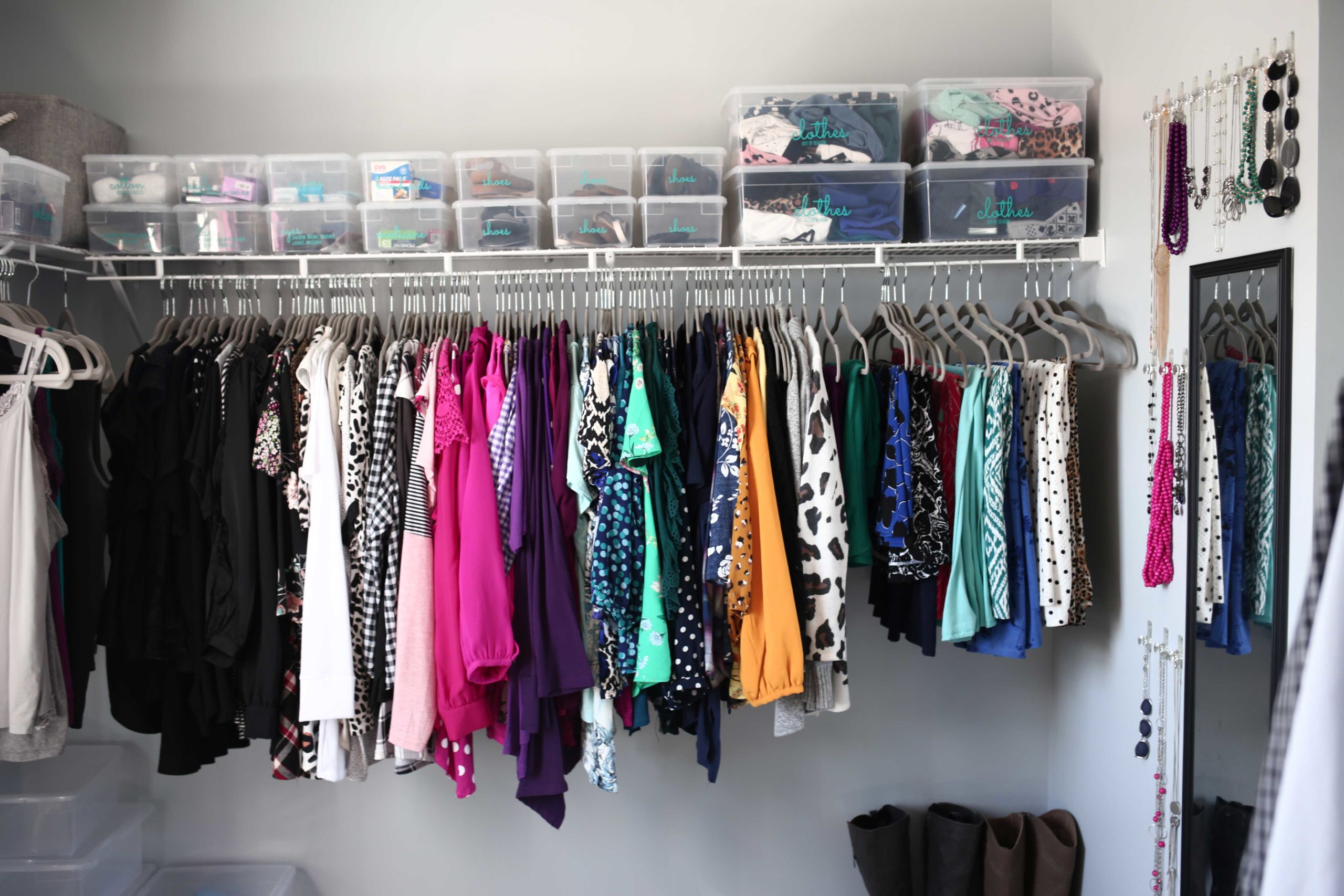
Practical Closet Declutter Tips for Better Dressing
A packed closet can make a good wardrobe feel like a daily argument. You may own clothes you like, but without clear space and honest editing, getting dressed turns into guesswork. Closet Declutter Tips matter because the problem is rarely a lack of clothes; it is usually a lack of access, order, and confidence. Many Americans start the morning already rushed, then lose more time digging behind old sweaters, “maybe someday” jeans, and shoes that pinch before lunch.
Better dressing starts when your closet stops hiding your best options. A cleaner setup gives your clothes room to breathe and gives your eye a fair chance to choose well. Style also becomes easier when you treat your closet like part of your daily routine, not a storage unit. Even small choices, like keeping workwear visible or using smart style habits to guide future buys, can change how your mornings feel. The goal is not a perfect closet. The goal is a closet that helps you get dressed without friction.
Start With Honest Closet Editing Before Buying Anything
A messy closet has a way of convincing you that shopping will fix the problem. It usually will not. New clothes added to old clutter only create a larger pile of confusion, and that pile keeps stealing your attention every morning.
Why Your Closet Feels Full But Still Fails You
A closet can be full and still feel useless because volume is not the same as choice. Many people keep clothes from past jobs, past sizes, past trends, and past versions of themselves. Those pieces take up space, but they no longer serve the life being lived right now.
A woman in Chicago may have three blazers from an old office dress code, two bridesmaid dresses, and a stack of jeans she has not worn since 2021. None of those items help when she needs a polished Saturday outfit or a quick school pickup look. The closet looks stocked, but the useful section may be tiny.
The first honest move is to separate memory from function. Some clothes hold a story, and that is fair. Still, a story does not always earn a hanger. A closet should support the person opening it today, not preserve every version of that person forever.
How to Make the First Sort Less Emotional
A strong first sort needs rules before feelings enter the room. Pull out anything stained, stretched, uncomfortable, outdated in a way you dislike, or tied to a life you no longer dress for. Do not start with your hardest sentimental pieces. Start with the easy exits and build momentum.
Three piles work better than ten: keep, donate, and decide later. The “decide later” pile should be small, boxed, and dated. If you do not reach for those pieces within 60 days, the answer has already arrived. Quietly.
This is where many people get stuck because they confuse guilt with value. A dress that cost $180 but never fit your shoulders is not an investment anymore. It is a reminder that one purchase did not work. Letting it go does not waste the money; keeping it lets the mistake keep charging rent.
Build a Closet Layout That Matches Real Life
After editing, the next mistake is arranging clothes in a way that looks nice for five minutes but breaks down after three mornings. A closet should match how you live, move, and get dressed under pressure. Beauty matters, but function has to lead.
Use Wardrobe Organization Ideas That Follow Your Week
Good wardrobe organization ideas begin with your calendar, not your hangers. Work clothes, casual outfits, gym pieces, and eventwear should not fight for the same visual space. Put the categories you wear most often where your eyes and hands land first.
A nurse in Dallas may need scrubs, sneakers, jackets, and off-duty basics within fast reach. A remote worker in Denver may need video-call tops, soft pants, and layers that still look pulled together. Their closets should not be arranged the same way because their mornings are not the same.
The counterintuitive move is to stop organizing by fashion fantasy. Many closets are arranged for the life someone wishes they had. A better layout respects the real week: errands, weather, laundry habits, school runs, office days, dinners, and the occasional event that needs a little more polish.
Keep Clothing Storage Solutions Simple Enough to Maintain
Clothing storage solutions fail when they require too much discipline. Clear bins, slim hangers, drawer dividers, shelf labels, and over-door hooks can help, but only when they reduce effort. A system that needs constant resetting becomes another chore.
Use open storage for daily items and closed storage for seasonal or rare-use pieces. Sweaters can sit folded on shelves, while off-season coats can move into breathable garment bags. Shoes worn twice a year should not hold the same prime real estate as the pair you wear every other day.
Simple systems also expose bad habits fast. If clean laundry never makes it back into drawers, the drawer setup may be too tight. If shoes pile near the closet door, a low rack may work better than a tall shelf. The best system is not the prettiest one. It is the one you will still use on a tired Thursday night.
Create Better Outfits From Fewer, Stronger Choices
Decluttering is not about owning less for the sake of owning less. It is about making the good pieces easier to see and easier to wear. Once the weak items leave, your real style starts speaking louder.
How Capsule Wardrobe Basics Make Dressing Faster
Capsule wardrobe basics work because they remove weak links from daily dressing. A few well-chosen jeans, plain tees, button-downs, trousers, sweaters, jackets, and shoes can create more outfits than a crowded closet full of one-off pieces. The trick is choosing items that cooperate.
A navy blazer, straight-leg denim, white sneakers, black trousers, a striped shirt, and a soft knit can cover work, lunch, errands, and casual dinners for many Americans. These pieces are not boring when they fit well and match your lifestyle. They become the quiet backbone of style.
The surprise is that fewer choices can make you feel more creative, not less. Too many options drain energy before the outfit even starts. A tighter wardrobe lets you notice color, proportion, texture, and mood because you are not fighting through visual noise first.
Build an Outfit Planning Routine That Saves Mornings
An outfit planning routine does not need to feel strict. It can be as simple as checking the weather, choosing tomorrow’s base outfit, and placing shoes or accessories nearby. Five minutes at night can save twenty in the morning, especially during busy school weeks or office commutes.
Start with the hardest part of the next day. If you have a client meeting, choose the jacket first. If you have errands and rain, choose shoes first. If you are going from work to dinner, choose the piece that can shift between both settings. That one anchor makes the rest easier.
A useful routine also teaches you what your closet still needs. If you keep wishing for a better black belt, a warmer cardigan, or pants that work with flat shoes, that is real shopping data. Buy from repeated need, not from boredom. Your closet gets sharper when your purchases answer actual gaps.
Keep the Closet Clear With Smarter Habits
The first declutter feels big, but the real win comes later. A closet stays useful when small habits protect the space. Without those habits, clutter returns quietly, one sale rack find and one laundry basket at a time.
Use Clothing Storage Solutions for Seasonal Rotation
Seasonal rotation gives your closet breathing room without forcing you to own a tiny wardrobe. Most American closets deal with real climate shifts, from humid Florida summers to cold Minnesota winters. Heavy coats, linen pants, boots, and swimsuits do not all need equal access year-round.
Store off-season pieces clean, dry, and grouped by category. Label bins with plain words like “winter sweaters” or “summer dresses” so you do not open six boxes later. Keep one small transitional section for unpredictable weather, because spring and fall rarely behave perfectly.
This habit also helps you review clothes before they return. When you unpack summer pieces, ask whether each one still fits, flatters, and matches your life. Seasonal rotation becomes a built-in audit instead of a once-a-year battle with everything you own.
Use Wardrobe Organization Ideas to Stop Clutter Early
Strong wardrobe organization ideas include rules for what comes in, not only what goes out. Try a one-in, one-out habit for crowded categories such as denim, handbags, sneakers, or sweaters. It forces a simple question: is this new item better than something I already own?
Keep a donation bag in or near the closet. When something annoys you twice, add it. Maybe the neckline slips, the waistband digs, or the color makes every outfit harder. Tiny irritations matter because they shape what you avoid wearing.
A closet should also have limits you can see. Leave a little space between hangers. Keep shelves from stacking too high. Give shoes clear homes. Empty space is not wasted space; it is the margin that keeps your closet working. When every inch is packed, the system has already started to fail.
Conclusion
A better closet is not built in one dramatic weekend. It is built through repeated decisions that respect your time, body, budget, and real daily life. Clothes should help you move through the morning with less doubt, not make you negotiate with old purchases before coffee.
The strongest Closet Declutter Tips are simple because they force honesty. Keep what fits your life. Store what has a season. Release what keeps asking for excuses. Then build small routines that protect the space after the first cleanup is done.
Better dressing becomes easier when your closet tells the truth. You see what you own, know what works, and stop buying duplicates of things you forgot were hiding in the back. Start with one rail, one drawer, or one category today, and make the next outfit easier before tomorrow arrives.
Frequently Asked Questions
How often should I declutter my closet for better dressing?
Twice a year works well for most people, usually before spring and fall. A small monthly check helps even more. Remove damaged pieces, poor fits, and items you keep skipping. Regular editing keeps your closet from turning into a storage problem again.
What clothes should I remove first when decluttering?
Start with clothes that are stained, uncomfortable, too small, too large, or tied to a lifestyle you no longer have. Easy removals build momentum. Save sentimental pieces for later because they slow the process and can make the whole task feel heavier.
How do I organize a small closet without buying more storage?
Remove unused clothes first, then group items by category and frequency of wear. Put daily pieces at eye level and move rare-use items higher or lower. Matching hangers, folded stacks, and clear zones often fix more than extra bins.
What is the best way to decide whether to keep clothing?
Ask whether it fits, feels good, matches your current life, and works with at least three other items. A piece does not need to be perfect, but it needs a real role. Clothes kept from guilt usually keep creating clutter.
How can capsule wardrobe basics help with closet clutter?
Capsule wardrobe basics reduce random outfit pieces that do not work together. When your core clothes share colors, shapes, and uses, getting dressed takes less effort. You need fewer items because more of them can mix across work, casual, and weekend looks.
What should I do with sentimental clothes I never wear?
Choose a small memory box instead of letting sentimental clothes take over your closet. Keep the pieces that carry real meaning, not every item linked to a past event. Photos can also preserve the memory without keeping the garment.
How do I stop my closet from getting messy again?
Create simple limits. Keep a donation bag nearby, follow one-in, one-out for crowded categories, and reset hangers after laundry. A closet stays clear when the system is easy enough to follow during a busy week.
What is the easiest outfit planning routine for busy mornings?
Pick one anchor item the night before, such as shoes, pants, or a jacket. Check the weather and set the full outfit where you can see it. This small habit removes morning guesswork and helps you notice wardrobe gaps sooner.
Related Post

Simple Paint Protection Tips for New Cars
A new car can lose its showroom glow faster than most owners expect. The first…