
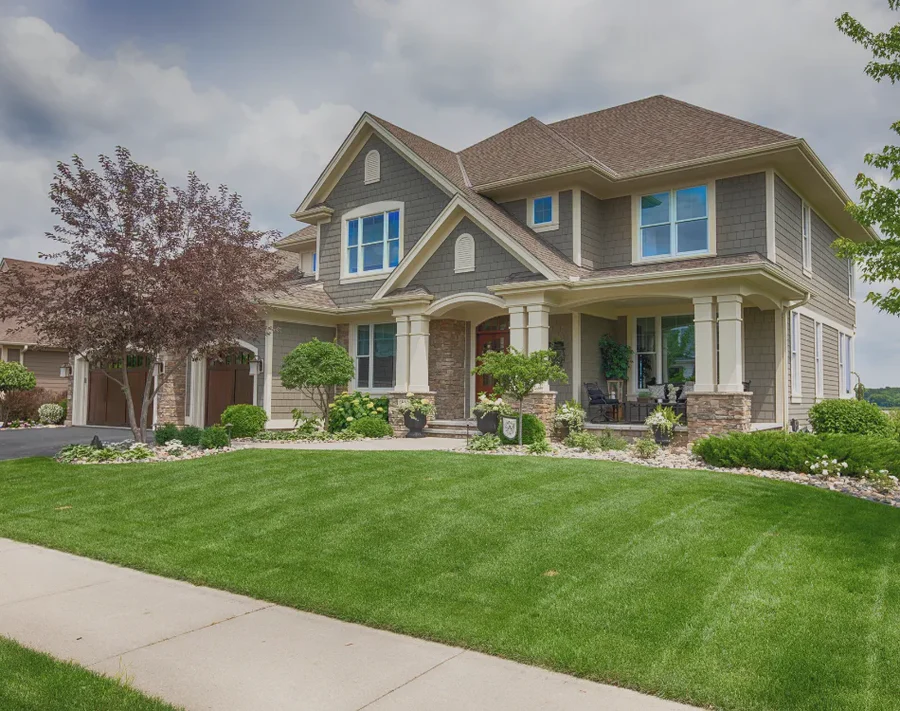
Simple Curb Appeal Ideas for Better Property Value
Maine Local Archive >> Real Estate>> Simple Curb Appeal Ideas for Better Property Value
Simple Curb Appeal Ideas for Better Property Value
A house starts making its argument before anyone reaches the front door. Buyers notice the lawn edge, the porch light, the walkway, the paint trim, and the odd little details owners stopped seeing years ago. Simple curb appeal ideas matter because they shape that first judgment fast, especially in competitive U.S. neighborhoods where two similar homes can feel miles apart from the curb. The good news is that outside charm does not have to mean a full renovation or a contractor parked in the driveway for weeks.
The better approach is smaller, sharper, and more honest. You fix what looks tired. You highlight what already works. You remove visual noise before adding more decoration. That is where many homeowners get it wrong. They buy planters before cleaning the siding, paint the door before fixing the path, or add lights while the porch still feels neglected.
A stronger exterior does not shout. It feels cared for. For homeowners comparing local ideas, trusted property improvement insights can help connect small exterior choices with bigger value goals. The real win is simple: make the home look easier to love before anyone steps inside.
Clean First, Then Upgrade What Buyers Already Notice
Freshness beats decoration every time. A clean exterior tells buyers the home has been watched, maintained, and respected, while a dirty one quietly raises doubts. That doubt can cost more than people expect because buyers rarely separate a stained walkway from the rest of the home in their mind. They see neglect, then start looking for proof.
Why Power Washing Can Beat Fancy Porch Decor
A pressure-washed driveway, sidewalk, porch, and siding can change the whole mood of a property in one afternoon. In many American suburbs, especially places with humid summers or tree cover, grime builds slowly until the home looks older than it is. Owners often miss it because they see the house every day.
Buyers do not miss it. They notice the gray film on white trim, the green streaks near the foundation, and the dark patches on concrete. A clean surface makes paint look brighter, landscaping look neater, and windows look sharper without adding anything new.
Here is the part many sellers underestimate: cleaning feels honest. A buyer may admire a new bench or seasonal wreath, but a spotless walkway suggests care. That signal reaches deeper than decoration because it hints at the way the whole home has been handled.
Power washing also protects your budget from bad sequencing. Painting dirty trim or placing new planters beside stained siding often makes the old surfaces look worse. Clean first, then decide what needs money. Often, less needs money than you thought.
Fixing Small Exterior Flaws Before They Become Buyer Objections
Loose railings, cracked caulk, crooked house numbers, and chipped porch steps may seem minor from an owner’s point of view. From a buyer’s point of view, they become questions. If the front step is ignored, what else has been ignored?
Small repairs carry more weight near the entrance because buyers slow down there. They wait while the agent opens the lockbox. They stand on the porch and look around. That pause turns tiny flaws into evidence.
A smart homeowner walks the entry path like a visitor. Start at the curb, not the door. Look at the mailbox, driveway edge, walkway, porch ceiling, light fixture, doorbell, threshold, and door hardware. The flaws that bother you during that walk will bother buyers too.
One counterintuitive move is to repair boring things before pretty things. New flowers will not hide a rusted railing. A painted door will not overcome a broken screen. Buyers trust a tidy, repaired exterior more than a dressed-up one that still has loose ends.
Simple Curb Appeal Ideas That Raise Buyer Confidence
Once the exterior is clean and repaired, the next step is visual focus. Buyers need an easy path for their eyes. When the front of a home has too many colors, shapes, signs, pots, hoses, toys, and mismatched pieces, the property feels smaller and less settled than it is.
How a Strong Front Door Changes the Whole Exterior
The front door is the handshake of the house. A freshly painted door, clean hardware, and a working light can make the entrance feel deliberate instead of accidental. This is one of the rare home exterior improvements that can look bigger than the money spent.
Color matters, but restraint matters more. In many U.S. neighborhoods, a deep navy, warm black, classic red, muted green, or soft charcoal can work well when it fits the siding and roof. The mistake is choosing a door color like a social media dare instead of a home design choice.
A good door update also includes the surrounding details. Polish or replace the handle if it looks worn. Clean the glass if the door has panes. Paint the trim if it has yellowed or cracked. Add a plain doormat that looks new and fits the width of the entry.
The unexpected insight is that the door does not need to be loud to stand out. It needs to look intentional. Buyers respond to an entrance that feels ready, calm, and cared for because it lowers their guard before they see the first room.
Why House Numbers, Mailboxes, and Lighting Matter More Than Owners Think
House numbers are small, but they set a tone. Bent, faded, or hidden numbers make the home feel dated before buyers even park. Clean modern numbers, placed where they are easy to see, give the exterior a quiet lift.
The mailbox works the same way. A dented curbside box or peeling wall-mounted box suggests age. Replacing it with a simple, neat option can make the front feel current without turning the yard into a design project. Keep the style matched to the house, not to a catalog trend.
Lighting deserves special attention because buyers often browse homes online at night or drive past after work. A warm porch light, path lighting, or clean sconces can make a home feel safer and more welcoming. Harsh blue-white bulbs, though, can make even a nice porch feel cold.
Small details affect property value because buyers build confidence through signals. They may not say, “I love the house numbers,” but they feel the order. That order makes the home easier to trust, and trust is one of the strongest forces in a showing.
Use Landscaping to Frame the House, Not Hide It
A yard should guide attention toward the home, not compete with it. Overgrown shrubs, crowded flower beds, and tangled trees can make a solid property feel cramped. Strong landscaping for curb appeal starts with editing, not planting, because open sightlines help buyers understand the home faster.
Trimming, Edging, and Mulch Give the Yard Structure
A sharp lawn edge can make an ordinary yard look cared for in minutes. It creates a clean line between grass, beds, sidewalk, and driveway. That line matters because the human eye reads clean edges as order.
Trimming shrubs away from windows is another high-value move. Buyers want natural light, and they want to see the front of the house. Bushes that cover windows make the home feel darker, older, and less safe. In older American neighborhoods, this one fix can change the whole face of a property.
Fresh mulch adds contrast and helps beds look finished. Brown or black mulch often works better than bright dyed colors because it supports the home instead of grabbing attention. The goal is not to make the mulch noticeable. The goal is to make everything else look cleaner.
Front yard upgrades do not need to be dramatic. A mowed lawn, defined beds, trimmed shrubs, and weed-free cracks can outperform expensive plantings that feel busy. Buyers rarely reward complexity. They reward care they can understand at a glance.
Choosing Plants That Look Good Without Creating More Work
Plant choices should match the climate, soil, sun, and maintenance level of the homeowner. A Florida yard, a Colorado yard, and a New Jersey yard should not copy the same plant list. Local fit matters more than any trend.
Low-maintenance plants often make the best impression because they suggest the yard will not punish the next owner. Native grasses, evergreen shrubs, hardy perennials, and seasonal containers can bring color without creating a weekly chore list. Local garden centers can usually point homeowners toward options that survive the region.
Container plants near the door are useful when the yard needs life fast. Two matching planters can frame an entrance, but too many pots can feel cluttered. Symmetry helps small entries feel organized, especially on townhomes, ranch homes, and narrow porches.
The less obvious truth is that some landscaping should be removed, not replaced. A dying shrub by the steps, a messy vine on the railing, or a half-empty flower bed can drag down the whole exterior. Empty and neat often beats full and neglected.
Make the Walk From Street to Door Feel Easy
A buyer’s body understands a property before their mind explains it. If the path feels awkward, the steps feel unsafe, or the porch feels cramped, the home starts with friction. Curb appeal is not only what people see. It is how the property feels as they move through it.
Creating a Clear Path That Feels Safe and Natural
The walkway should make the entrance obvious. Some homes have paths hidden by shrubs, split by uneven pavers, or blocked by parked cars, hoses, trash bins, and lawn tools. Those small blocks make the arrival feel messy.
A clear path does not require expensive stonework. It may need edging, weed removal, leveling, or a few replaced pavers. Concrete cracks can often be patched. Loose bricks can be reset. Railings can be tightened. These repairs protect the first impression and reduce safety concerns.
For homes with long driveways or side entries, visual cues help. A planter, light, or clean stepping path can guide guests without signs. Buyers should never have to wonder where to walk.
This is where many home exterior improvements become practical instead of decorative. A beautiful yard loses power if the approach feels clumsy. A modest home gains strength when the route to the door feels clear, safe, and natural.
Managing Porch Space Without Making It Feel Staged
A porch should feel useful, not crowded. One chair can suggest morning coffee. Two chairs and a small table can suggest neighborly comfort. Five pieces of furniture, four pillows, and three signs can make the entry feel smaller.
The best porch styling respects scale. A narrow stoop needs a mat, clean light, and maybe one plant. A deep covered porch can handle seating, but the walkway to the door must stay open. Buyers should feel invited, not squeezed.
Seasonal decor needs discipline too. A tasteful fall planter can help. A porch packed with holiday items can distract from the house. Sellers should avoid anything personal, political, religious, or joke-based near the entrance because buyers form opinions fast.
A quiet porch can be powerful. It gives the buyer space to imagine their own life instead of walking through someone else’s display. That mental ownership starts before the showing begins.
Match Exterior Style to the Neighborhood Without Disappearing
Homes gain value when they feel both cared for and appropriate. A house should not look like a copy of every other one on the block, but it also should not fight the neighborhood. The strongest curb appeal choices respect the local setting while giving the home one or two memorable touches.
Reading the Street Before Choosing Colors and Materials
Every street has a visual language. Some neighborhoods lean traditional with brick, shutters, and mature trees. Others feel newer, with clean siding, simple trim, and compact lawns. A smart owner reads that language before making exterior choices.
Paint colors should work with fixed elements like the roof, brick, stone, and driveway. A color that looks good online can fail against warm brick or a cool gray roof. Test samples outside at different times of day before choosing.
Materials matter too. A sleek metal mailbox may look sharp on a modern home but odd on a cottage. Heavy rustic lights may overpower a small ranch. Matching scale and style keeps updates from feeling pasted on.
The unexpected move is to aim for belonging before attention. A home that fits the street but looks better maintained than nearby properties has an edge. It stands out because it feels right, not because it begs to be noticed.
Using One Signature Detail Instead of Ten Competing Choices
A single strong detail can do more than a collection of small upgrades. A rich door color, handsome light fixture, clean window boxes, or stone-bordered bed can give the home identity. Too many statements cancel each other out.
This matters for online listing photos. Buyers scroll fast, and exterior photos need one clear idea. If the eye jumps from bright shutters to patterned planters to bold door paint to yard ornaments, nothing lands. The home feels busy.
A signature detail should support the architecture. A craftsman-style home may benefit from warm wood accents. A colonial may look better with crisp shutters and formal planters. A mid-century ranch may shine with clean numbers, simple lighting, and low planting lines.
Front yard upgrades work best when they create memory. Buyers might not recall every feature, but they may remember “the house with the great black door” or “the one with the clean walkway and soft lights.” That memory can pull them back after a long day of showings.
Conclusion
The smartest exterior updates are not always the biggest ones. They are the ones that remove doubt, guide the eye, and make the home feel cared for before the door opens. A clean walkway, trimmed shrubs, fresh lighting, repaired steps, and a confident entry can do more for buyer trust than oversized projects that ignore the basics.
Curb appeal ideas work best when they follow a clear order: clean, repair, simplify, then add character. That order keeps homeowners from wasting money on decoration while the real problems remain visible. It also helps sellers focus on the details buyers judge in real time, from the curb to the porch.
Treat the outside of the home like the first room buyers enter, because that is how they experience it. Walk the property this week, take photos from the street, and fix the first five things that make the home feel tired. Better value often begins with the part of the house everyone sees first.
Frequently Asked Questions
What are the easiest curb appeal updates for a small budget?
Start with cleaning, trimming, edging, and small repairs. Power wash the walkway, mow the lawn, remove weeds, refresh mulch, clean windows, and replace worn house numbers. These updates cost less than major projects but can change how buyers judge the home from the street.
How much does landscaping for curb appeal affect home buyers?
Strong landscaping helps buyers feel the home is cared for before they enter. Clean beds, trimmed shrubs, and healthy grass create order. Overgrown plants can block windows, darken the home, and make maintenance feel harder than it may be.
Which front yard upgrades are best before selling a house?
Focus on the upgrades buyers notice first: lawn edges, mulch, shrubs, walkway condition, porch lighting, mailbox, and entry decor. Avoid large custom projects before selling unless the yard has a major defect. Simple, clean, and well-maintained usually performs better.
Are home exterior improvements worth it before listing?
They can be worth it when they improve first impressions without draining the budget. Fresh paint on the door, working lights, clean siding, and repaired steps can make the home feel more move-in ready. Expensive exterior changes should match the local market.
What color should I paint my front door for better curb appeal?
Choose a color that fits the siding, trim, roof, and neighborhood style. Navy, black, red, muted green, and charcoal often work well on U.S. homes. Test samples outside first because sunlight can change how the color looks throughout the day.
How can I improve curb appeal without hiring a contractor?
Handle the visible basics yourself: clean surfaces, pull weeds, edge the lawn, trim plants, repaint small areas, replace the doormat, update house numbers, and add simple planters. These tasks can make the home look cared for without a major project.
What should I remove from my yard before a home showing?
Remove hoses, tools, toys, dead plants, faded decor, extra pots, broken furniture, political signs, and personal items. Buyers need a clean visual path to the home. Clutter outside can make them expect clutter and maintenance issues inside.
How do I make a plain house exterior look more welcoming?
Create a clear entry point with a clean walkway, fresh door, working porch light, neat doormat, and one or two healthy plants. Keep the design calm and balanced. A plain exterior can feel warm when every visible detail looks intentional.
Related Post

Simple Rental Property Upgrades for Better Income
A rental can look fine on paper and still quietly lose money every month. Many…