
Simple Garden Planning Tips for Beautiful Outdoor Areas
Maine Local Archive >> Blogs>> Simple Garden Planning Tips for Beautiful Outdoor Areas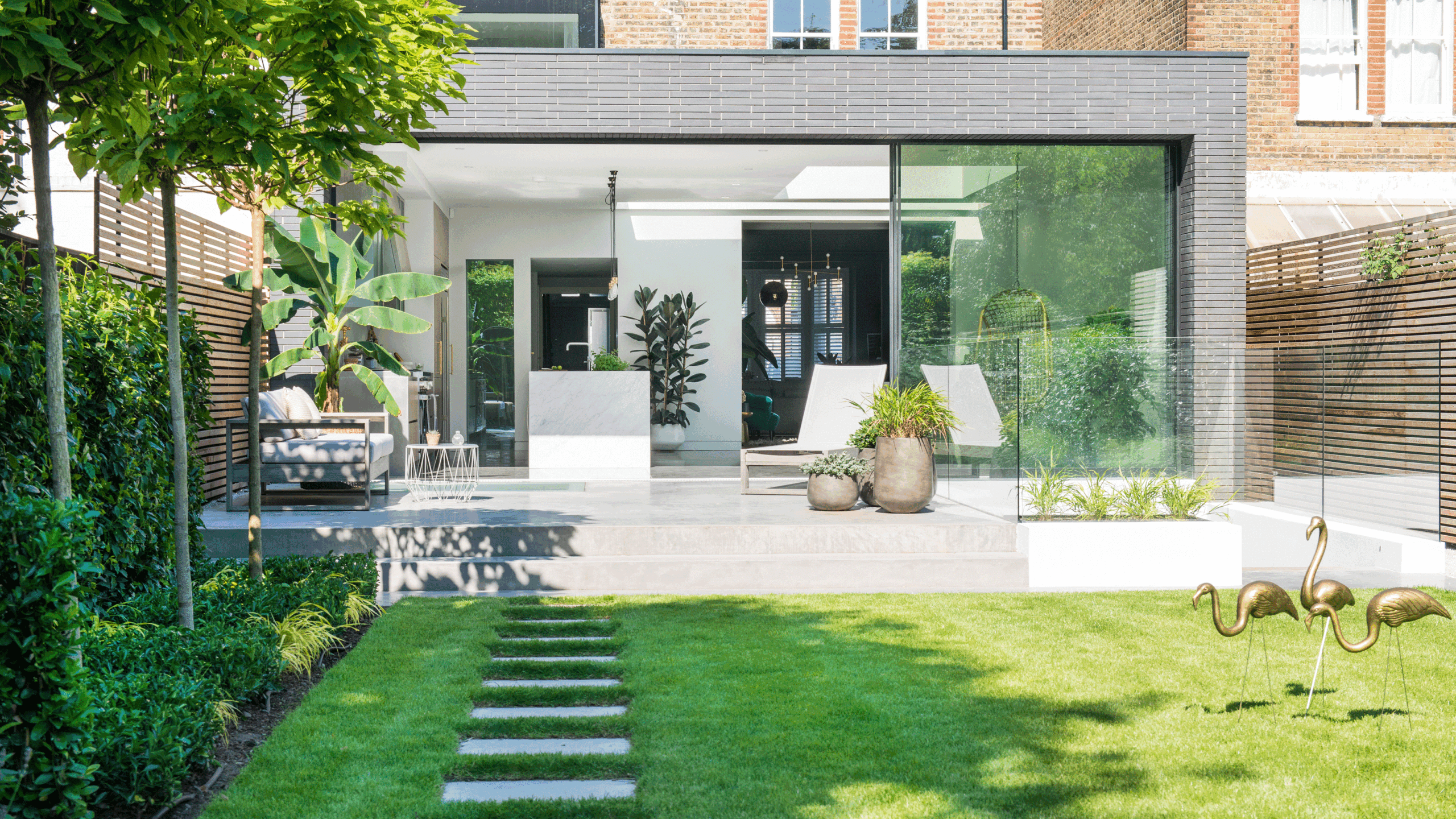
Simple Garden Planning Tips for Beautiful Outdoor Areas
A pretty yard can still feel wrong when nothing has a purpose. The smartest Garden Planning Tips start with how you live outside, not how many flowers you can fit into a bed. A family in Ohio may need a low-care backyard for kids and weekend grilling, while a retiree in Arizona may want shade, gravel paths, and plants that do not punish the water bill. Good planning turns those needs into a space that feels calm, useful, and personal.
Your garden does not need a magazine budget to look pulled together. It needs order, patience, and a few decisions made before the first shovel hits dirt. A strong plan saves you from buying plants that outgrow their space, placing seating where the sun beats down, or building a path that no one uses. Treat the yard like an outdoor room. Once you know where people walk, sit, cook, play, and relax, beauty gets much easier to build.
Read the Yard Before You Design It
A garden tells you what it can become before you draw a single line. Sun, slope, drainage, wind, soil, and privacy all shape the final result. Many homeowners skip this step because it feels slow. That mistake costs money later, usually through dead plants, muddy corners, and patios no one wants to sit on.
Watch Sunlight Like a Homeowner, Not a Designer
Sunlight decides more than plant choice. It affects comfort, color, water use, and how long you actually enjoy the space. A patio that looks perfect on paper may become useless if it bakes from noon to 5 p.m. in July. That is not a design flaw you fix with another planter.
Spend a few days watching your yard at different hours. Morning sun suits herbs, breakfast seating, and soft flowering plants. Harsh afternoon sun works better for tough perennials, ornamental grasses, and shade structures. A shaded side yard may not grow tomatoes, but it can become a cool walkway with hostas, ferns, and a bench.
A real example makes this clear. A homeowner in Georgia may love hydrangeas near the front porch, but the west-facing wall can burn their leaves by late summer. Moving them to morning light solves the problem without extra fertilizer, extra watering, or frustration. The plant was not wrong. The location was.
Find the Trouble Spots Before They Find You
Every yard has an awkward area that tries to ruin the plan. It may be the soggy patch near a downspout, the bare strip under a maple tree, or the corner where trash bins sit in full view. Ignoring these spots does not make them disappear. It only lets them become expensive later.
Walk the yard after rain. Notice where water pools, where soil washes away, and where grass struggles. Those clues can lead to smarter choices, such as a rain garden, gravel path, dry creek bed, raised planter, or mulch bed. The counterintuitive truth is that problem areas often create the strongest design moments.
A wet corner near a fence, for instance, does not have to become a drainage headache. In many parts of the U.S., it can support moisture-loving plants such as blue flag iris, swamp milkweed, or red twig dogwood. What looked like a flaw becomes a feature, and the yard starts working with nature instead of fighting it.
Build Zones That Match Real Life
A good garden is not one big decorated lawn. It is a set of zones that support daily habits. This is where many outdoor garden design choices become personal. Your yard should know whether you drink coffee outside, host cousins on weekends, grow vegetables, need a dog run, or want one peaceful chair where nobody bothers you.
Give Every Outdoor Area a Job
A space without a job becomes clutter. You add a chair, then a pot, then a solar light, then another chair, but nothing feels settled. Clear zones stop that drift. They tell each part of the yard what it is supposed to do.
Start with three simple labels: active, quiet, and practical. The active zone may hold a grill, dining table, fire pit, or play area. The quiet zone may include a reading chair, small fountain, or shade tree. The practical zone handles storage, compost, hoses, bins, and tools. No glamour there, but it matters.
In a suburban New Jersey backyard, this could mean placing the dining area close to the kitchen door, tucking a reading bench under a dogwood, and screening the utility corner with tall grasses. Nothing about that plan is fancy. Still, it feels finished because every part earns its place.
Use Movement to Make the Garden Feel Larger
Paths do more than connect spaces. They control how the yard unfolds. A straight path moves people fast. A curved path slows them down and makes a small garden feel layered. Neither is always better. The right choice depends on the mood you want.
A small garden layout often benefits from gentle movement rather than a straight shot from patio to fence. When the eye cannot see the whole yard at once, the space feels bigger. A stepping-stone path that bends around a planting bed can make a 25-foot yard feel like it has chapters.
This is where restraint matters. Too many curves look fake. Too many materials look restless. One path material, repeated edging, and plants that spill slightly over the border can create a sense of ease. The path should invite movement, not shout for attention.
Choose Plants for Structure Before Color
Flowers get the applause, but structure does the work. A garden built only on blooms looks great for two weeks and confused for the rest of the year. Shrubs, grasses, small trees, evergreen shapes, and repeated foliage carry the design when flowers take a break.
Think in Layers From Ground to Eye Level
A strong planting plan uses layers the way a room uses furniture, rugs, curtains, and lighting. Groundcovers soften edges. Perennials fill the middle. Shrubs add weight. Small trees lift the eye. When these layers work together, the garden feels full without feeling crowded.
Backyard landscaping ideas often fail because people buy plants one at a time. They see a sale table, bring home five pretty things, and place them wherever there is dirt. That creates a collection, not a design. Repetition fixes it. Three groups of the same grass can calm a border faster than ten unrelated flowers.
A homeowner in Colorado might use blue grama grass, coneflowers, and serviceberry for a low-water layered look. In Pennsylvania, the same idea may come through oakleaf hydrangea, sedges, and native asters. The plants change by region, but the structure stays the same.
Pick Plants That Respect Your Weekends
A beautiful garden that needs constant rescue is not beautiful for long. Maintenance is part of design, even though people rarely talk about it at the nursery. You need to know how much trimming, watering, dividing, raking, and cleanup you can handle without resenting the yard.
Low-care does not mean dull. It means choosing plants that suit the climate and spacing them for their mature size. A tiny shrub in a one-gallon pot may look lonely today, but in three years it could cover the window or swallow a walkway. Patience beats crowding almost every time.
The unexpected insight is that fewer plant types can make a garden look richer. A border with five well-repeated plants often looks more expensive than one with twenty scattered choices. The eye reads rhythm as quality. That rhythm also makes upkeep easier because you learn what each plant needs.
Make Comfort Part of the Garden Plan
A garden can look gorgeous and still fail if it is uncomfortable. Heat, glare, bugs, noise, and poor seating placement can push people back indoors. The best outdoor spaces solve these issues quietly. You may notice the beauty first, but comfort is why you stay.
Design Shade, Privacy, and Seating Together
Shade should not be an afterthought. It belongs in the first round of planning because it affects where people gather. A pergola, umbrella, shade sail, tree canopy, or covered porch can turn a harsh patio into a real living area. The goal is not total shade. The goal is choice.
Privacy works the same way. A fence blocks a view, but plants soften the feeling. Tall shrubs, lattice with vines, ornamental grasses, or a row of small trees can create separation without making the yard feel boxed in. This matters in American neighborhoods where houses often sit close together.
Seating should land where comfort already exists or where comfort can be created. Do not place a bench in the far corner because it looks nice from the kitchen window. Place it where a person would want to sit. Morning light, a pleasant view, and a little back support can matter more than the bench style.
Add Finishing Details That Work After Sunset
Evening use changes the garden. A space that feels flat during the day can become warm and inviting with soft lighting, textured plants, and a clear path back to the house. The trick is to light function first, mood second. Steps, gates, cooking areas, and path turns need enough light for safety.
Outdoor garden design gets stronger when the finish details feel connected. Use the same metal tone for lanterns and furniture legs. Repeat one planter style near the patio and entry. Choose cushions that speak to the house color instead of fighting it. Small decisions like these make the yard feel intentional.
This is also where sound can help. A small fountain can soften traffic noise near a front yard in Los Angeles. Wind chimes may charm one homeowner and annoy the neighbor. Know the difference. Comfort should make the garden easier to enjoy, not harder to live beside.
Simple Garden Planning Tips for Long-Term Beauty
The best gardens are not finished in one weekend. They grow into themselves through smart choices, small corrections, and honest observation. That is why the planning stage matters so much. It gives you a direction strong enough to survive plant sales, changing weather, family needs, and the occasional bad idea.
Start Small Enough to Finish Well
A half-finished yard drains motivation. One strong bed near the patio can do more for daily life than five unfinished projects scattered across the property. Start where you will see the improvement most often. That might be the front walkway, the kitchen-view border, or the seating area you use every weekend.
Small garden layout choices can teach you before you spend more money. You learn how water moves, how deer behave, how much time cleanup takes, and which colors you still like after three months. That feedback is worth more than any perfect drawing.
A smart first phase may include one path, one seating area, and one planted border. Once those pieces work, the next phase becomes easier. The yard starts giving you answers instead of asking for guesses.
Plan for Change Without Losing the Original Idea
Gardens change because life changes. Kids grow up. Dogs arrive. Knees get sore. Shade trees mature. A sunny vegetable bed becomes a cool fern corner. Planning for change does not mean leaving everything vague. It means building a clear structure that can accept updates.
Backyard landscaping ideas should leave room for future layers. Run irrigation sleeves under paths before you install hardscape. Leave access for wheelbarrows. Choose a few open pockets where seasonal containers, herbs, or annuals can rotate. These choices protect your future self from tearing apart work you already paid for.
A garden with a strong bones-and-flexibility mindset ages better than one frozen around a trend. The bones are paths, trees, seating, drainage, and main plant masses. The flexible parts are flowers, pots, furniture, lighting, and accents. Hold the first group steady. Let the second group breathe.
Conclusion
A beautiful outdoor area is not built from random inspiration. It comes from reading the yard, shaping zones around real life, choosing plants with discipline, and making comfort part of the plan from the start. That approach may sound less exciting than buying a cart full of blooms, but it creates a garden you can live with for years.
The real value of Garden Planning Tips is not perfection. It is confidence. You begin to see where shade belongs, where people naturally walk, where a bed needs height, and where a problem spot can become the most interesting part of the yard. That kind of confidence saves money and makes every choice feel calmer.
Start with one area you use often, make it work beautifully, and let the rest of the garden grow from that win. Your yard does not need to impress everyone at once. It needs to welcome you outside and make staying there feel easy.
Frequently Asked Questions
What are the best simple tips for planning a garden at home?
Start by studying sun, shade, water flow, and how your family uses the yard. Then divide the space into zones for relaxing, dining, planting, and practical needs. Choose plants after the layout makes sense, not before.
How do I create a small garden layout that feels bigger?
Use curved movement, layered planting, and partial views. A small garden feels larger when the eye discovers it in stages. Keep materials limited, repeat plant groups, and avoid filling every open space with décor.
What should I plan first in an outdoor garden design?
Plan function first. Decide where people will sit, walk, cook, play, and store tools. Once those needs are clear, plant choices and decorative details become easier because every part of the garden has a purpose.
How can I choose low-maintenance plants for my yard?
Pick plants suited to your region, soil, sunlight, and water conditions. Native and climate-adapted plants often need less care once established. Always check mature size before planting so you avoid constant pruning later.
What are budget-friendly backyard landscaping ideas?
Focus on one high-impact area first, such as a patio border, walkway, or seating corner. Use mulch, repeated perennials, gravel paths, and young shrubs to stretch the budget while still creating structure and charm.
How much sunlight does a garden need each day?
Most vegetables and many flowering plants need six or more hours of direct sun. Shade plants can thrive with less, especially in hot climates. Watch your yard through the day before deciding what to plant.
How do I make my garden look organized?
Repeat plant types, limit materials, define bed edges, and create clear paths. Organization comes from rhythm more than from symmetry. Even a relaxed garden feels polished when the same shapes, colors, or textures appear across the space.
When is the best time to start garden planning?
Start planning before the growing season, often in late winter or early spring for many U.S. regions. Fall is also excellent because cooler weather helps many shrubs, trees, and perennials establish strong roots.
Related Post

Clear Personal Injury Rights After Common Accidents
Accidents turn normal days into paperwork, pain, and pressure faster than most people expect. That…