

Simple Home Repair Tips for Everyday Maintenance
Maine Local Archive >> Blogs>> Simple Home Repair Tips for Everyday Maintenance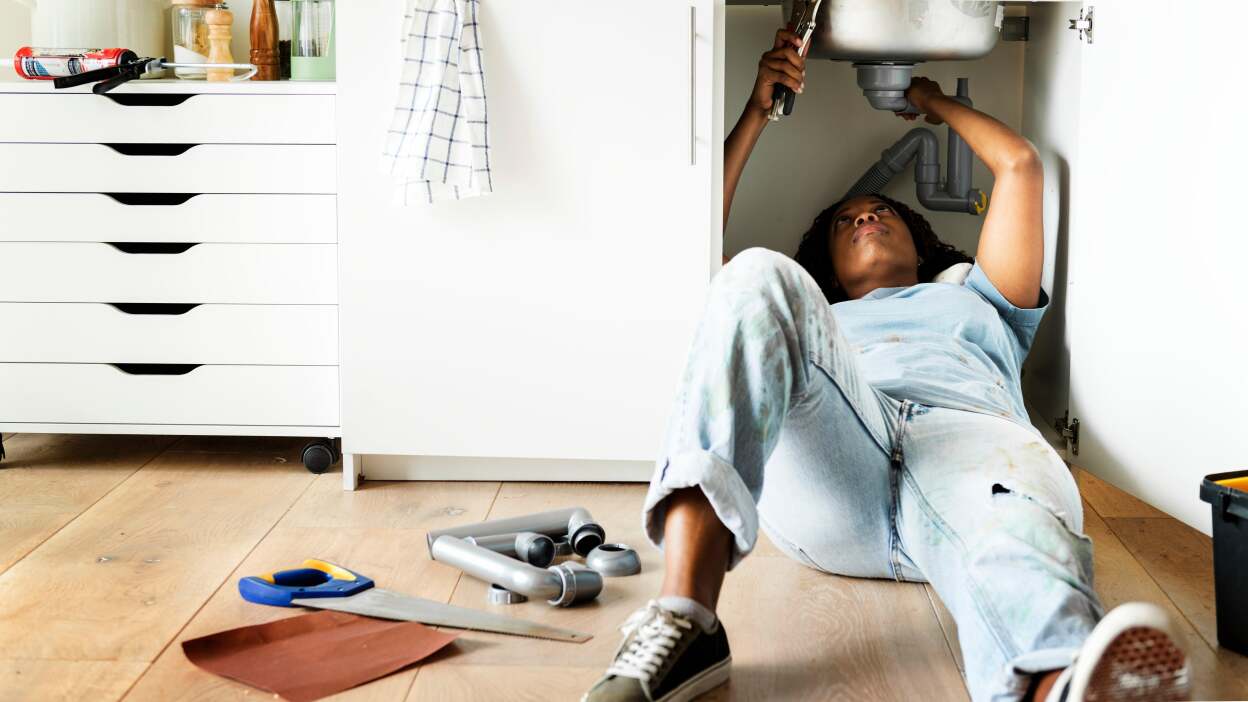
Simple Home Repair Tips for Everyday Maintenance
A house rarely falls apart in one dramatic moment. It wears down in small, quiet ways while everyone is busy living in it. The loose hinge, the slow drain, the sticky window, and the tiny ceiling stain all tell you something before they become expensive. That is why home repair tips matter for everyday American homeowners who want fewer surprises and more control over their space. A well-kept home does not need constant remodeling; it needs steady attention, decent tools, and the habit of fixing small problems before they gain confidence.
Many families also want their homes to feel cared for without turning every weekend into a work shift. That balance matters. Reliable home upkeep starts with knowing which repairs you can handle, which signs deserve a closer look, and when a licensed pro should step in. For homeowners comparing service options, local contractors, or property-care resources, a trusted home improvement network can help connect routine care with smarter decisions. Good maintenance is not glamorous, but it protects comfort, money, safety, and pride in the place you come back to every day.
Home Repair Tips That Keep Small Problems From Getting Expensive
Small home issues have a sneaky way of pretending they are harmless. A loose screw feels minor until the cabinet door splits the frame. A slow leak looks manageable until the vanity base swells. This section is about catching those early signals, because the cheapest repair is almost always the one you do before panic enters the room.
How to Spot Warning Signs Before Damage Spreads
A home gives you clues long before it fails. The trick is paying attention without becoming paranoid. A brown ring on drywall, a musty smell under the sink, a door that suddenly rubs at the top, or a floorboard that starts to dip can point to moisture, settling, or hidden wear.
American homes face different stress depending on region. A house in Florida may fight humidity and roof wear, while a Midwest home may deal with freeze-thaw cracks around concrete and exterior trim. The problem is not that homeowners miss obvious damage. They ignore small changes because daily life trains them to walk past familiar things.
A smart habit is to walk through your home once a month with fresh eyes. Open cabinets under sinks, check the ceiling below bathrooms, look around windows after heavy rain, and run your hand along baseboards near exterior walls. You are not inspecting like a building official. You are listening before the house has to shout.
Why Quick Fixes Need the Right Kind of Patience
Rushing repairs can create uglier problems than the original damage. A leaky faucet needs a new washer or cartridge, not five turns of force on the handle. A cracked tile needs investigation under the surface, not a quick smear of caulk that traps water below. Fast work is useful only when it is also clean work.
Everyday home maintenance works best when you slow down at the start. Before tightening, patching, sanding, or sealing anything, ask what caused the problem. A loose towel bar may need better anchors. A recurring drywall crack may point to movement. A draft near a window may need weatherstripping rather than another heavy curtain.
The counterintuitive truth is that maintenance saves time when you refuse to hurry the first five minutes. Read the label on the repair product. Let surfaces dry. Use the right fastener for drywall, wood, brick, or tile. Half the battle in home repair is not being tricked by a repair that looks simple from six feet away.
Build a Repair Routine Around Water, Air, and Movement
Once you understand small warning signs, the next step is organizing your attention. Random repairs feel exhausting because they show up without a pattern. A calmer approach groups your home into three forces that cause most everyday wear: water, air, and movement. Follow those, and the house starts making more sense.
Water Problems Deserve First Place Every Time
Water is the most expensive guest your home can host without permission. It damages wood, feeds mold, stains ceilings, ruins flooring, and turns small gaps into repair bills. A slow drip under a kitchen sink may waste less water than a running toilet, but it can destroy the cabinet faster than most people expect.
Start with the simple checks. Look under sinks with a flashlight. Feel around shutoff valves. Check the toilet base for dampness. Inspect washing machine hoses. Watch for bubbling paint near bathrooms, kitchens, laundry rooms, and exterior walls. In colder states, check hose bibs and exposed pipes before winter settles in.
DIY home fixes can handle many water-related tasks when the issue is visible and contained. Replacing a showerhead gasket, tightening a slip nut under a sink, or installing a new toilet flapper is within reach for many homeowners. Hidden leaks, recurring sewer smells, and damp drywall deserve a licensed plumber. Water does not reward pride.
Air Leaks Make Comfort Problems Look Like Equipment Problems
Drafts can fool you into blaming your heating or cooling system. A room may feel cold in January or stuffy in July because conditioned air escapes through weak seals, attic gaps, old door sweeps, or poorly sealed windows. Before assuming the furnace or air conditioner is failing, check the shell of the house.
Preventive home care here feels boring until the utility bill changes. Replace worn weatherstripping around exterior doors. Add a door sweep if daylight shows under the threshold. Seal small gaps around window trim with paintable caulk. Check attic access panels, because many homes lose air through that overlooked rectangle in the ceiling.
A real-world example shows up often in older American ranch homes. The back bedroom feels colder than the rest of the house, so the homeowner raises the thermostat. The living room overheats, the bill climbs, and the bedroom still feels wrong. One missing return-air path or drafty window seal may be the real villain.
Create a Tool System That Makes Repairs Less Annoying
Most homeowners do not avoid maintenance because they hate their house. They avoid it because every small repair turns into a scavenger hunt. The screwdriver is missing, the tape measure is in the garage, the batteries are dead, and the wall anchors are somewhere in a drawer full of mystery cords. A tool system removes that friction.
The Basic Repair Checklist Every Home Needs
A basic repair checklist should match the problems that happen in ordinary homes, not a fantasy workshop. Start with a hammer, tape measure, adjustable wrench, pliers, utility knife, level, hex keys, flashlight, stud finder, cordless drill, screwdrivers, and safety glasses. Add wall anchors, painter’s tape, replacement screws, washers, plumber’s tape, caulk, and spare batteries.
Storage matters as much as buying the tools. Keep daily repair items in one labeled box or drawer, not scattered across the basement, kitchen, and garage. A small apartment owner may need only a compact kit. A suburban homeowner with a yard, deck, and garage needs a wider setup.
The unexpected insight is that the best tool is often the one you can find in under thirty seconds. A cheaper drill in the right drawer beats a premium drill buried under holiday decorations. Good organization turns small repairs from a mental burden into a ten-minute task.
Match Materials Before You Start Cutting, Patching, or Painting
Homes are built from layers, and those layers do not all respond the same way. Drywall, plaster, tile, vinyl, laminate, brick, wood, and concrete each need different fasteners, cleaners, adhesives, and patching products. Guessing can leave scars that take longer to fix than the original problem.
DIY home fixes become cleaner when you identify the surface first. Drywall anchors work for light shelves but fail with heavy loads. Wood filler can repair trim dents but will not solve rot. Silicone caulk works well in wet areas but can create painting problems if used where paintable acrylic caulk belongs.
Paint matching deserves special respect. Many homeowners keep no record of paint colors, then discover that “white” has a hundred moods. Cut a small sample from a hidden area or bring the old paint can to a store for matching. That small step can prevent a patch from looking like a permanent bruise on the wall.
Know When a Repair Is a Safety Issue, Not a Weekend Project
A confident homeowner is not someone who tries to fix everything. Confidence means knowing the line between practical maintenance and risky work. Some repairs are safe to learn. Others can hurt you, violate code, affect insurance, or create trouble when selling the home. Respecting that line is part of owning the place well.
Electrical, Structural, and Gas Issues Need Real Boundaries
Changing a lightbulb is not the same as altering wiring. Replacing a furnace filter is not the same as working on gas lines. Patching a hairline drywall crack is not the same as addressing a sagging beam. Some systems carry consequences that are bigger than the repair itself.
Preventive home care includes knowing when to stop. Call a licensed electrician for warm outlets, flickering lights across multiple rooms, burning smells, breaker trips that repeat, or old wiring concerns. Bring in a qualified contractor or structural specialist for sagging floors, major foundation cracks, shifting walls, or roofline dips.
Gas deserves no debate. If you smell gas, leave the area and contact the gas company or emergency service from a safe location. No YouTube tutorial is worth gambling with a home, a family, or a neighbor’s safety. The smartest repair can be the one you refuse to touch.
Permits, Insurance, and Resale Value Are Part of Maintenance
Many homeowners think permits only matter during major remodels. That mistake can create problems later. Electrical upgrades, plumbing changes, structural alterations, window changes, deck work, and water heater replacement may require permits depending on your city or county. Local rules vary across the United States, so checking first saves headaches.
A basic repair checklist should include one non-tool item: a home maintenance folder. Keep receipts, appliance manuals, paint colors, contractor invoices, warranty papers, permit records, and photos of completed work. When something breaks again, this file gives you a starting point instead of forcing you to rebuild the story from memory.
Resale value also benefits from clean records. Buyers feel better when repairs look documented rather than improvised. Even if you plan to stay for decades, your future self will thank you. A home with a repair history feels less like a mystery and more like a well-managed investment.
Make Maintenance a Habit Your Household Can Actually Keep
The repair itself is only half the job. The other half is building a rhythm that survives busy weeks, school schedules, work travel, holidays, and plain fatigue. A home maintenance plan fails when it depends on heroic weekend energy. It succeeds when it becomes small enough to repeat.
Monthly Checks Beat Once-a-Year Panic
Annual maintenance days sound efficient, but they often turn into overwhelming marathons. By the time you check everything, the list feels too long to start. Monthly checks work better because they lower the emotional cost. One hour can handle what a full weekend keeps postponing.
Try assigning each month a theme. January can focus on drafts and filters. March can check gutters, exterior drainage, and screens. June can inspect decks, patios, and outdoor faucets. September can prepare heating systems, smoke detectors, and weather seals before colder weather arrives.
Everyday home maintenance becomes less stressful when it has a calendar slot. Put reminders in your phone. Pair checks with something already routine, like paying the mortgage or changing HVAC filters. The goal is not perfection. The goal is catching enough small things that large things have fewer chances to sneak up on you.
Teach the Whole Household to Notice Small Changes
Maintenance should not live in one person’s head. Everyone who lives in the home can learn to report small changes without turning the house into a complaint board. A child can mention a dripping sound. A teenager can report a loose handrail. A spouse can notice a warm outlet or a strange appliance noise.
This approach works especially well in busy American family homes where everyone uses different rooms. One person may never notice the upstairs bathroom fan getting louder, while another hears it every morning. Shared attention creates a wider safety net.
Home repair tips work best when they become part of how your household treats the space. Fix the loose handle before it breaks. Clean the dryer lint path before the machine struggles. Label the shutoff valves before water is on the floor. Start with one repair this week, and let that small win change how you care for the whole home.
Frequently Asked Questions
What are the easiest home repairs beginners can learn first?
Start with low-risk tasks such as tightening loose handles, replacing cabinet hardware, changing HVAC filters, unclogging simple sink drains, touching up paint, replacing weatherstripping, and fixing squeaky hinges. These jobs teach tool control without exposing you to major plumbing, wiring, or structural risk.
How often should I inspect my home for maintenance problems?
A light monthly check works better than one large yearly inspection. Look under sinks, around toilets, near windows, at ceilings, and around exterior doors. Seasonal checks should focus on gutters, HVAC filters, outdoor faucets, smoke detectors, and weather seals before extreme heat or cold arrives.
Which home repairs should not be done without a professional?
Avoid DIY work involving gas lines, major electrical wiring, structural framing, roof repairs on steep surfaces, sewer line problems, and hidden water damage. These repairs can affect safety, code compliance, insurance, and resale value. A licensed professional protects both the home and the people inside it.
What tools should every homeowner keep for basic maintenance?
Keep a hammer, screwdrivers, adjustable wrench, pliers, tape measure, level, utility knife, flashlight, stud finder, cordless drill, safety glasses, wall anchors, screws, plumber’s tape, caulk, and spare batteries. Store them together so small repairs do not become frustrating searches.
How can I prevent small leaks from causing major damage?
Check under sinks, around toilets, near washing machines, and below bathrooms each month. Replace worn washers, tighten loose slip nuts, and watch for stains, swelling, or musty smells. Shut off water quickly when leaks appear, then repair the source before patching cosmetic damage.
What is the best way to organize a home maintenance schedule?
Divide tasks by month or season instead of saving everything for one weekend. Put reminders on your phone for filters, gutters, smoke detectors, weatherstripping, appliance cleaning, and outdoor checks. A simple repeatable schedule works better than a perfect plan nobody follows.
How do I know if a wall crack is serious?
Thin cracks from normal settling often stay small and stable. Wider cracks, stair-step cracks in brick, cracks that grow, doors that start sticking, or uneven floors need closer attention. Take photos with dates, measure changes, and call a qualified pro if movement continues.
Can regular maintenance increase home value?
Yes, because buyers trust homes that show steady care. Clean records, repaired leaks, working systems, fresh seals, maintained exterior areas, and documented contractor work all reduce uncertainty. A well-maintained home feels safer, cleaner, and easier to own, which can support stronger buyer confidence.
Related Post

Beginner Tax Planning Tips for Organized Freelancers
Freelance income feels freeing until tax season turns every unpaid receipt into a small accusation.…