
Emphysema Symptoms – Lung Damage Signs In Smokers
Maine Local Archive >> Health>> Emphysema Symptoms – Lung Damage Signs In Smokers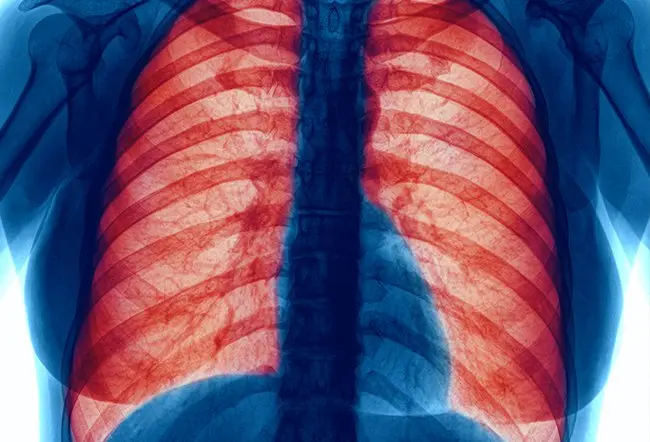
Emphysema Symptoms – Lung Damage Signs In Smokers
Emphysema symptoms commonly include gradually worsening shortness of breath, coughing, wheezing, chest tightness, and fatigue. The condition damages the lung’s air sacs and makes it harder to move old air out. Smoking is the leading cause, but long-term exposure to other irritants and certain genetic factors can also contribute.
What Does Early Emphysema Feel Like?
Early emphysema may cause no obvious symptoms. When changes appear, breathlessness during physical activity is often the first clue. The person may quietly stop walking uphill, carrying heavy objects, or joining activities that previously felt manageable.
A persistent cough, wheezing, chest tightness, and fatigue may follow. Because the changes develop slowly, people often blame age, weight, or poor fitness before considering lung damage.
| Sign | Early pattern | Later impact |
| Breathlessness | During exertion | During basic daily tasks |
| Cough | Intermittent | Persistent |
| Wheezing | With activity | More frequent |
| Fatigue | After exertion | Reduced everyday stamina |
Documenting smoking exposure records can include current use, previous use, secondhand exposure, and attempts to stop without turning the record into a judgment.
Why Does Emphysema Cause Breathlessness?
Healthy alveoli are small, elastic air sacs that help exchange oxygen and carbon dioxide. In emphysema, their walls become damaged, producing fewer and larger air spaces with less effective surface area.
The damaged lungs may trap air during exhalation. That trapped air leaves less room for the next breath, so the chest can feel full even when the person is trying to inhale more deeply.
Good medical information checks matter because no supplement, breathing trick, or detox program has been shown to rebuild destroyed alveolar walls.
Is Emphysema the Same as COPD?
Emphysema is a form of chronic obstructive pulmonary disease. Chronic bronchitis is another major COPD pattern, and many people have features of both.
Emphysema describes structural damage to air sacs, while COPD diagnosis focuses on persistent airflow obstruction and related symptoms. A CT scan may show emphysema, but spirometry is needed to evaluate how well air moves out of the lungs.
The MedlinePlus emphysema guide explains causes, symptoms, diagnosis, and management in patient-friendly language.
Which Risk Factors Matter Besides Smoking?
Secondhand smoke, air pollution, chemical fumes, and occupational dust may contribute to long-term lung irritation. The duration and intensity of exposure matter, but individual susceptibility also differs.
Alpha-1 antitrypsin deficiency is a rare inherited risk factor. It can contribute to emphysema in people who have never smoked and may cause disease at a younger age. Family history and unexplained early symptoms should be discussed with a clinician.
Changes in workplace smoke policies do not erase previous exposure, so past jobs and working conditions still belong in a medical history.
Common Mistakes After Symptoms Begin
Waiting until breathlessness becomes severe can mean losing an opportunity for earlier testing, smoking-cessation support, vaccination review, and symptom management. Another mistake is assuming that cutting down to a few cigarettes removes the risk.
People may also avoid activity because breathing feels uncomfortable. Complete inactivity can reduce muscle conditioning and make exertion feel even harder. Exercise plans should be matched to medical status, and pulmonary rehabilitation may be safer than creating an aggressive routine alone.
Red Flags and When to Get Help
Seek urgent medical care for severe breathing difficulty, blue or gray lips, confusion, fainting, chest pain, coughing up blood, or an abrupt decline in breathing. These symptoms may indicate a serious COPD flare-up, infection, collapsed lung, heart problem, or another emergency.
Arrange a clinical assessment for persistent cough, recurring wheezing, reduced exercise tolerance, repeated chest infections, or breathlessness that is gradually changing normal activities.
Frequently Asked Questions
Can emphysema improve after quitting smoking?
Existing air-sac damage generally cannot be reversed, but stopping smoking can reduce continued exposure and may slow further decline. Symptoms and daily function may also improve with appropriate care.
Does emphysema always produce mucus?
No. Some people mainly experience breathlessness and fatigue. Heavy mucus production may indicate accompanying chronic bronchitis or another airway condition.
Can nonsmokers develop emphysema?
Yes. Secondhand smoke, occupational exposure, pollution, and alpha-1 antitrypsin deficiency are possible contributors, although smoking remains the most common cause.
Protect the Lung Function You Still Have
Persistent breathlessness deserves more than a promise to “get fitter.” Arrange spirometry, discuss every exposure honestly, and ask for help stopping tobacco use. Emphysema cannot be judged by how loudly someone coughs; the quiet reduction in everyday activity is often the more revealing sign.
This article provides general education and does not replace medical diagnosis or individualized treatment.
Related Post
Tonsillitis Symptoms – Sore Throat Signs In Children
Tonsillitis symptoms in children may include a sore throat, fever, painful swallowing, swollen red tonsils,…