Hernia Symptoms: A Bulge, Pressure, and Pain While Lifting
Maine Local Archive >> Health>> Hernia Symptoms: A Bulge, Pressure, and Pain While Lifting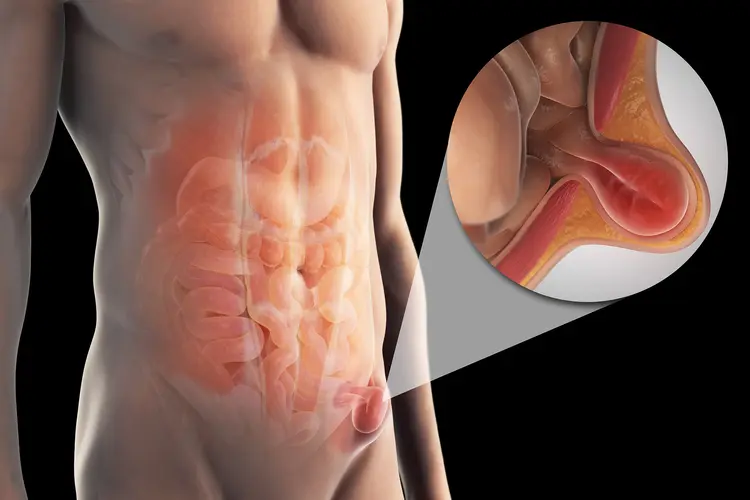
Hernia Symptoms: A Bulge, Pressure, and Pain While Lifting
Hernia symptoms commonly include a visible or touchable bulge in the groin or abdominal wall, pressure, aching, burning, or discomfort that worsens while lifting, coughing, bending, or standing. Some hernias cause few symptoms. Sudden severe pain, vomiting, or a trapped tender bulge can signal an emergency.
What Does a Typical Hernia Feel Like?
A hernia may feel like a soft lump that becomes clearer when standing, coughing, straining, or lifting. It may shrink while lying down or with gentle relaxation, although not every hernia behaves this way.
Pain can range from mild pulling or heaviness to a sharp sensation during activity. Inguinal hernias commonly affect the groin, while umbilical and incisional hernias appear around the belly button or a previous surgical scar.
The NIDDK inguinal hernia guide describes groin bulging and discomfort associated with straining, lifting, coughing, or standing.
Recording the bulge’s location and triggers in a lifting symptom journal can help during an examination.
Why Does Lifting Make It More Noticeable?
Lifting increases pressure inside the abdomen. That pressure may push tissue through an existing weak area, making a bulge or discomfort more apparent.
But lifting isn’t the only trigger. Coughing, constipation, pregnancy, prolonged standing, or routine daily movement may also expose the problem. A person can develop a hernia without recalling one dramatic event.
Using sound body-mechanics habits may reduce strain, but posture changes won’t close a true opening in the abdominal wall. Anyone returning to heavy work should seek guidance based on the hernia’s type and symptoms.
How Do Common Hernia Patterns Differ?
Location can suggest the type, although a clinician must confirm it.
| Possible type | Common location | Typical clue |
| Inguinal | Groin or upper inner thigh | Bulge worsens with coughing or standing |
| Femoral | Upper thigh below the groin | May be subtle but carries complication risk |
| Umbilical | Around the belly button | Rounded bulge near the navel |
| Incisional | At a previous surgery site | Bulge develops along or near a scar |
A hiatal hernia is different because part of the stomach moves through the diaphragm. It doesn’t usually create an external abdominal bulge and may instead be associated with reflux-type symptoms.
When Does a Bulge Need Medical Evaluation?
Any new groin or abdominal-wall bulge deserves assessment, even when it isn’t painful. A clinician may diagnose many hernias through history and physical examination. Ultrasound, CT, or other imaging may be considered when the finding is unclear or complications are suspected.
The examination may include standing, coughing, or gently increasing abdominal pressure. Tell the clinician whether the bulge disappears when lying down, whether pain limits activity, and whether bowel symptoms are present.
Clear photographs taken only when safe, a medicine list, and sensible personal health records may help when the bulge appears intermittently.
Where People Make the Problem Worse
Repeatedly forcing a painful bulge inward is risky. Gentle reduction may sometimes occur naturally while lying down, but a painful, firm, or stuck bulge should be assessed rather than pushed aggressively.
Support belts or trusses may temporarily change comfort for selected patients, but they don’t repair the defect and can create false reassurance. Another mistake is returning immediately to heavy lifting because the bulge disappears. Symptoms may come and go while the underlying opening remains.
Red Flags: When to Seek Emergency Help
Get emergency care for sudden or severe pain, marked tenderness, a bulge that becomes firm or cannot be reduced, redness or dark discoloration over the area, nausea, vomiting, abdominal swelling, or inability to pass stool or gas. These findings may indicate trapped tissue, intestinal obstruction, or loss of blood supply.
Do not eat a large meal, attempt forceful reduction, or drive yourself if severe pain, vomiting, faintness, or rapid deterioration occurs.
Frequently Asked Questions
Can a hernia exist without a visible bulge?
Yes. Small or deeply located hernias may cause pressure or pain without an obvious lump. Hiatal hernias also occur internally and don’t create a visible groin or abdominal-wall bulge.
Will a hernia heal without surgery?
Most adult abdominal-wall hernias don’t permanently close by themselves. Management depends on location, size, symptoms, health status, and complication risk.
Does every painless hernia need immediate surgery?
Not necessarily. Some cases can be monitored under medical guidance. However, a clinician should confirm the diagnosis and explain which symptom changes require urgent attention.
Get the Bulge Properly Identified
Stop the activity that triggers pain and arrange an examination rather than repeatedly testing the area with heavier lifting. A clinician can determine the hernia type and discuss observation, activity changes, or repair. Sudden pain, vomiting, or a trapped tender bulge requires emergency care.
This information is educational and does not replace diagnosis or treatment from a qualified healthcare professional.
Related Post

Osteoporosis Symptoms – Silent Bone Loss Warning Signs
Osteoporosis usually causes no noticeable symptoms until a bone breaks. Warning signs may include loss…